 |
 |
 |
 |
 |
 |
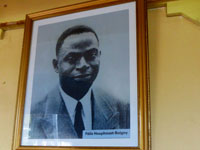
Prior to its colonization by Europeans, Ivory Coast was home to several states, including Gyaaman, the Kong Empire, and Baoulé. Ivory Coast became a protectorate of France in 1843–1844 and later a French colony in 1893 amid the European scramble for Africa. Ivory Coast achieved independence in 1960, led by Félix Houphouët-Boigny, who ruled the country until 1993. Since the end of Houphouët-Boigny's rule in 1993, Ivory Coast has experienced a coup d'état, in 1999, and two religion-grounded civil wars. The first took place between 2002 and 2007 and the second during 2010–2011.
Houphouët-Boigny banked on his broad appeal to the population, who continued to elect him. He was criticized for his emphasis on developing large-scale projects. Many felt that the millions of dollars spent transforming his home village, Yamoussoukro, into the new political capital were wasted; others supported his vision to develop a centre for peace, education, and religion in the heart of the country. In the early 1980s, the world recession and a local drought sent shock waves through the Ivoirian economy. Due to the overcutting of timber and collapsing sugar prices, the country's external debt increased three-fold. In 1990, hundreds of civil servants went on strike, joined by students protesting institutional corruption. The unrest forced the government to support multiparty democracy. Houphouët-Boigny became increasingly feeble, and died in 1993.
He was succeeded by Bedie who lasted till 1999 when a group of dissatisfied officers staged a military coup, putting General Robert Guéï in power. Bedié fled into exile in France. But two Civil Wars were to follow, and the country appears to have been in turmoil until 2011
Over seven years after Ivory Coast’s civil war ended, the country's political scene remains divided. Army mutinies destabilized cities over the past few years. The question is whether the political tension could lead Ivory Coast into a new crisis. Many are already speculating about the possible outcomes of the next elections in 2020. The military could, for instance, play an important role. "The military is composed of both troops who served under former president Gbagbo and former rebels of the Forces Nouvelles," explains Tinko Weibezahl, who head the Security Policy Program of the German organization Konrad-Adenauer-Stiftung. Last year, the former rebel soldiers, who supported Ouattarra during the crisis, staged an army mutiny and managed to negotiate a higher salary. According to Weibezahl, this widened rifts within the military itself, wherein he believes that the government needs to work on cohesion and integration. Such a strategy is needed for the military and for the country as a whole, he added.
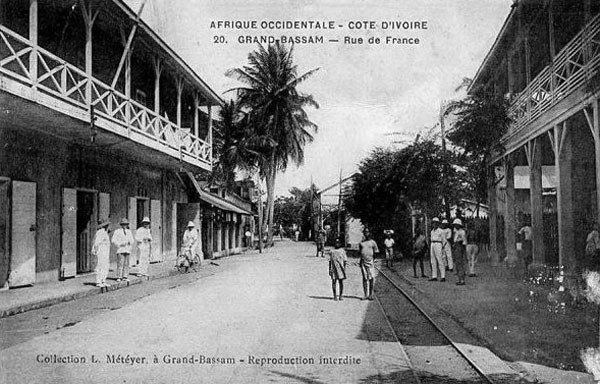
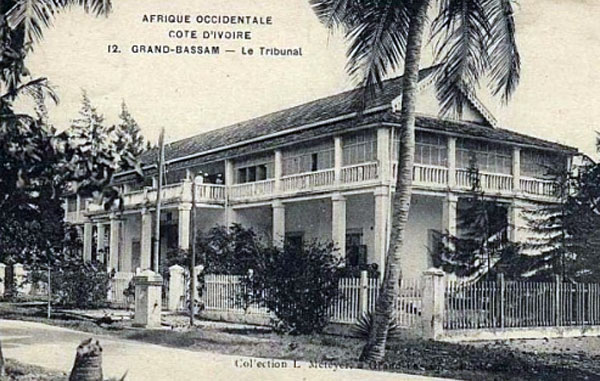
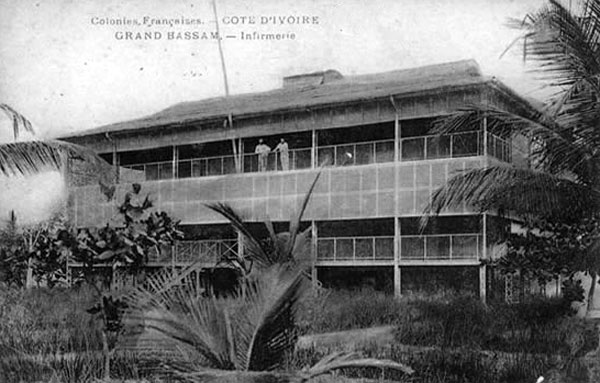
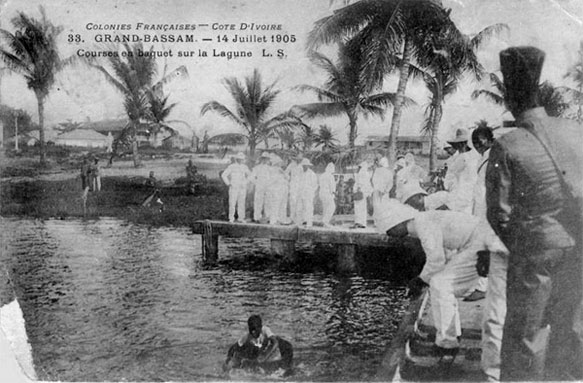
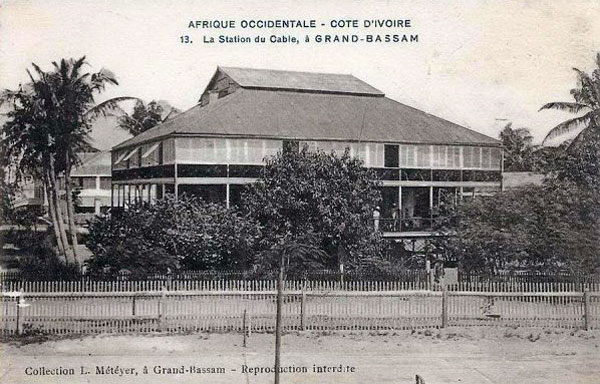
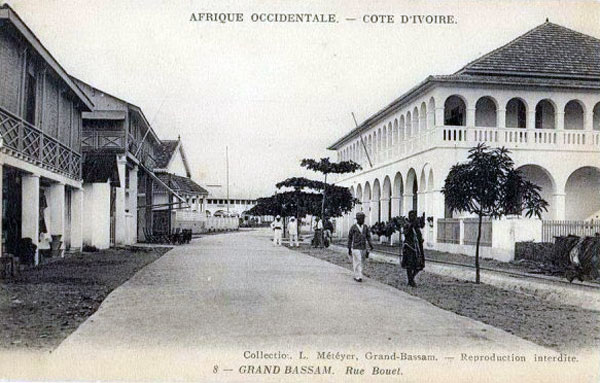
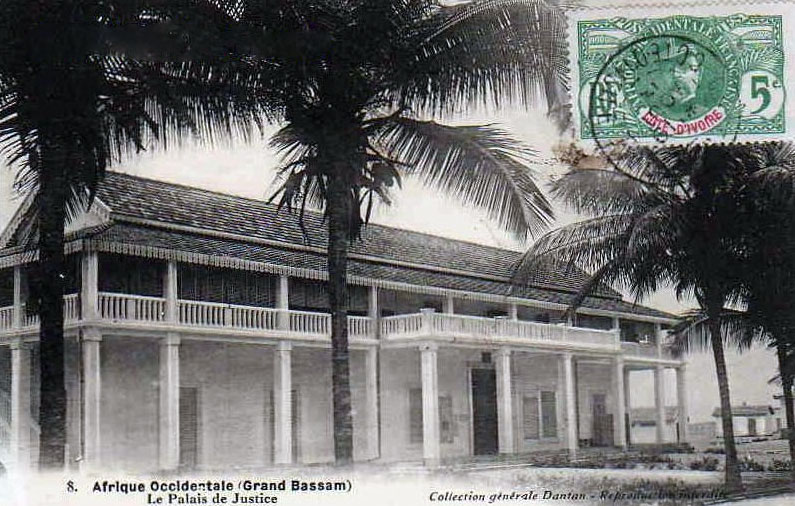
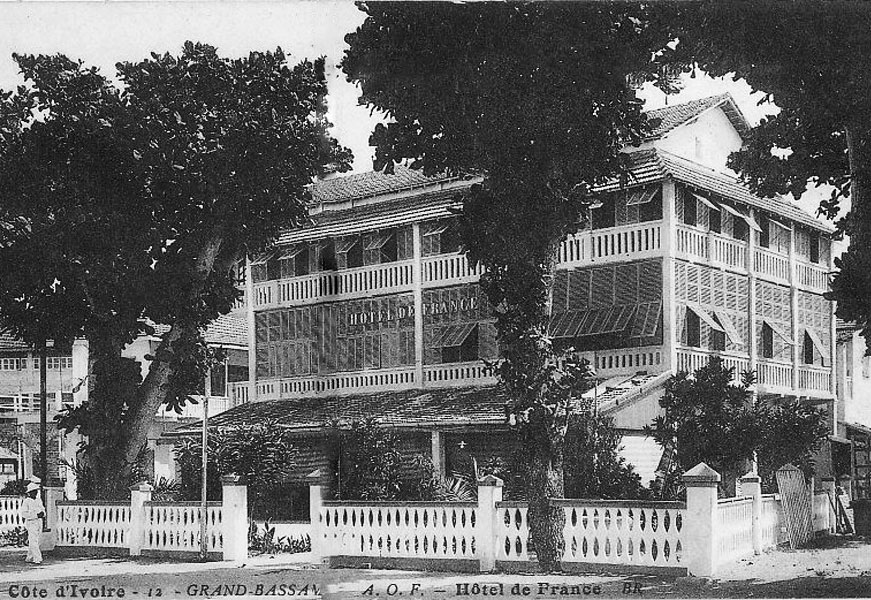
Our main sightseeing target was Grand Bassam, a UNESCO World Heritage site. This is it in its heyday
|
|
|
|
|
|
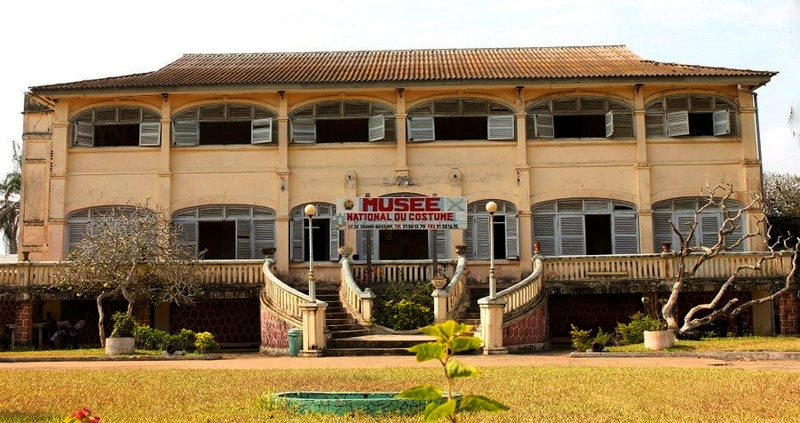
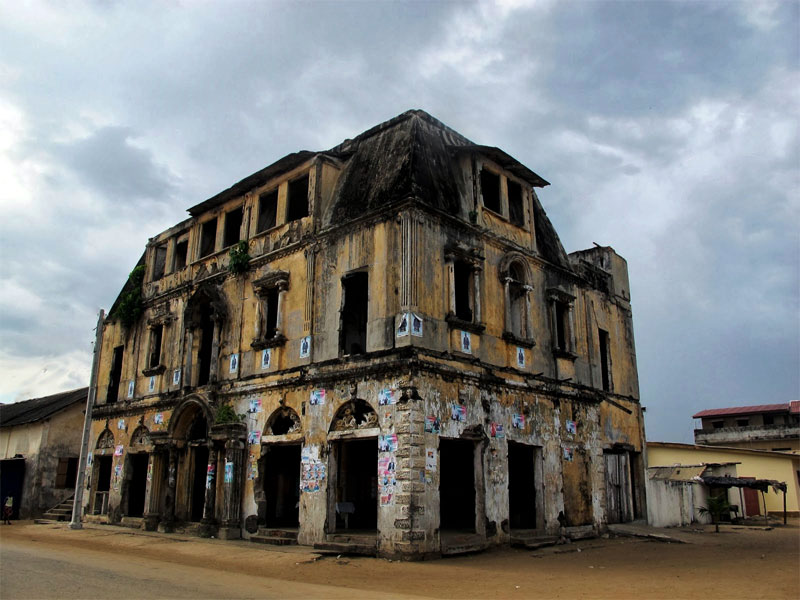
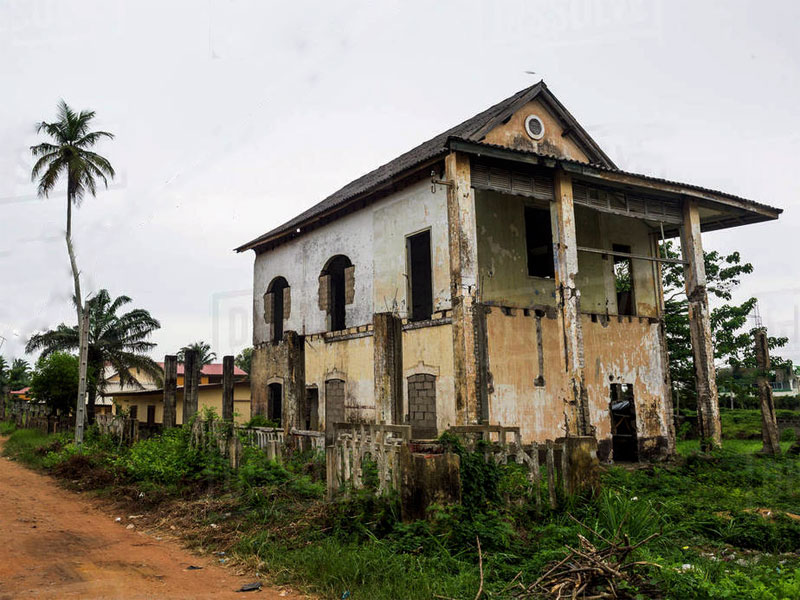
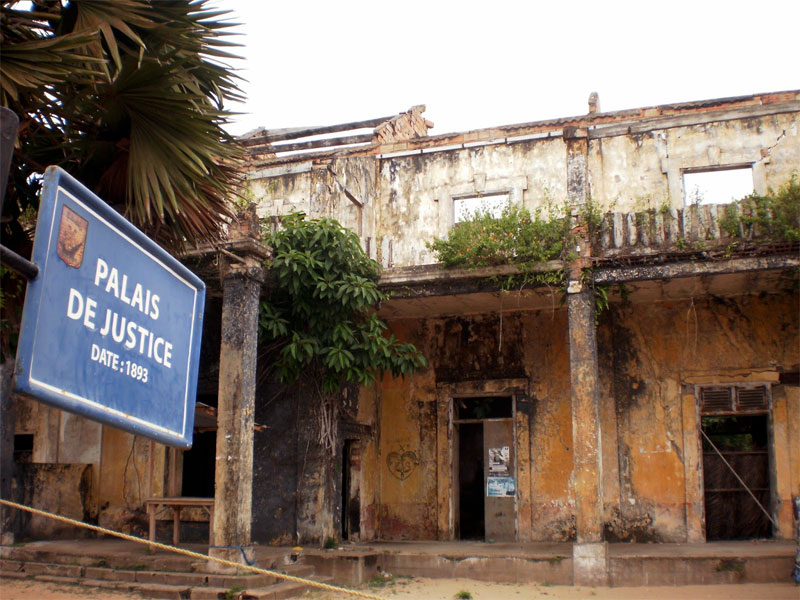
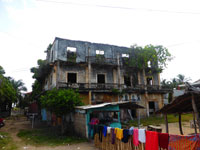
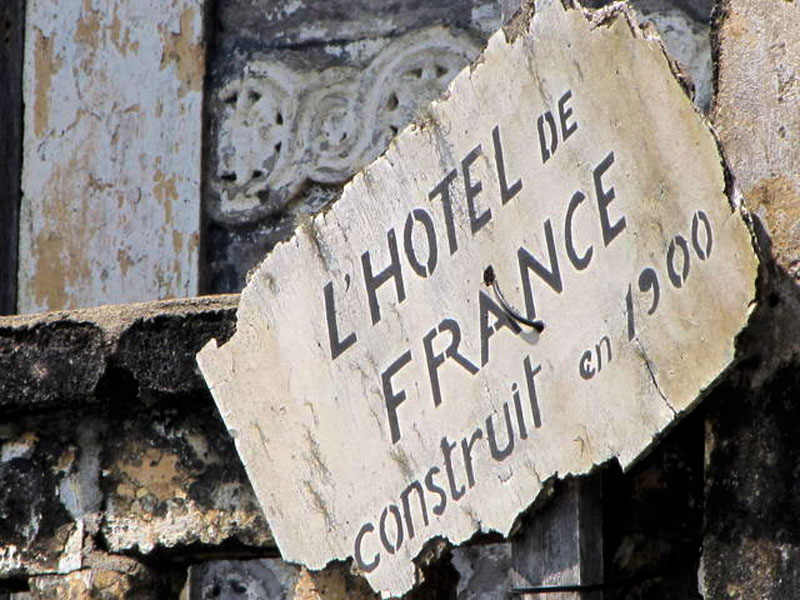
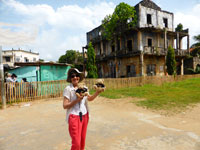
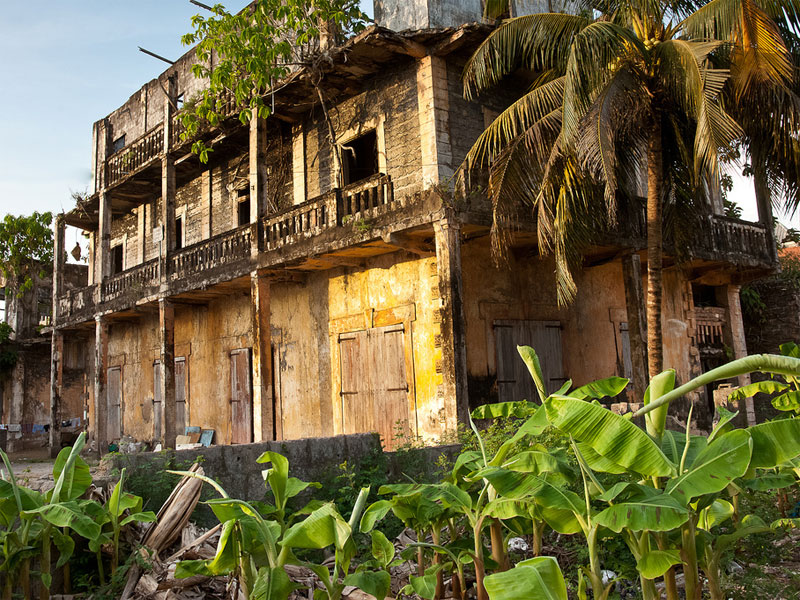
Today Grand Bassam has fallen into decay
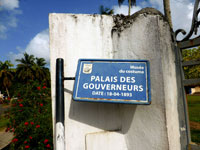
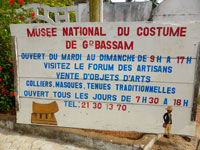
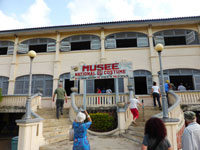
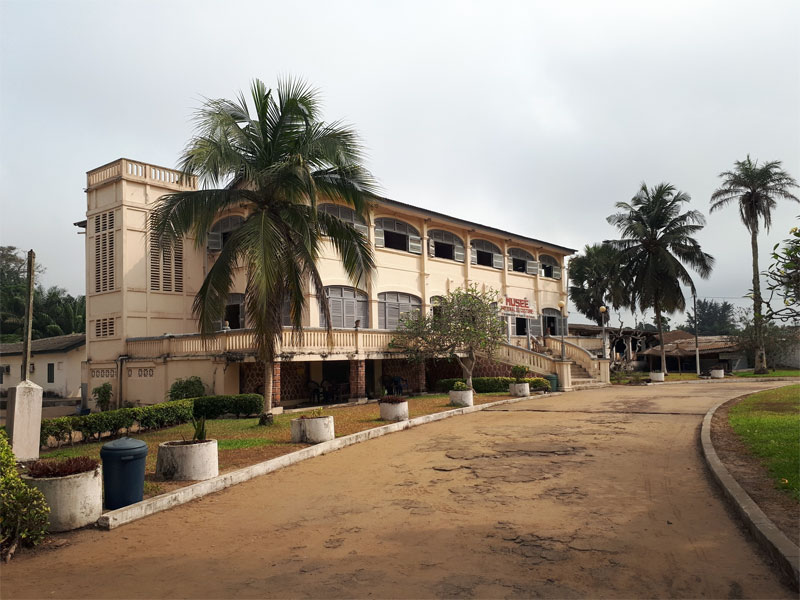
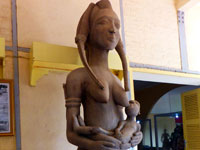
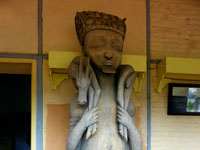
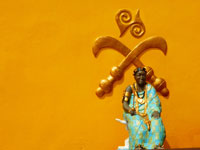
Costume Museum at Grand Bassam. Well "Costume" is a bit of a misnomer, there are very few costumes, jsut a few statues and some old photos. plus a large area selling souvenirs. The building used to be the administrative and residential home of the colonial masters who made Grand Bassam the country's capital for a time. However the building is, by local standards, well maintained
Click on any of the thumbnails to get a bigger version of the picture
 |
 |
 |
 |
 |
 |
 |
 |
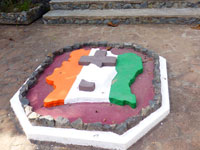
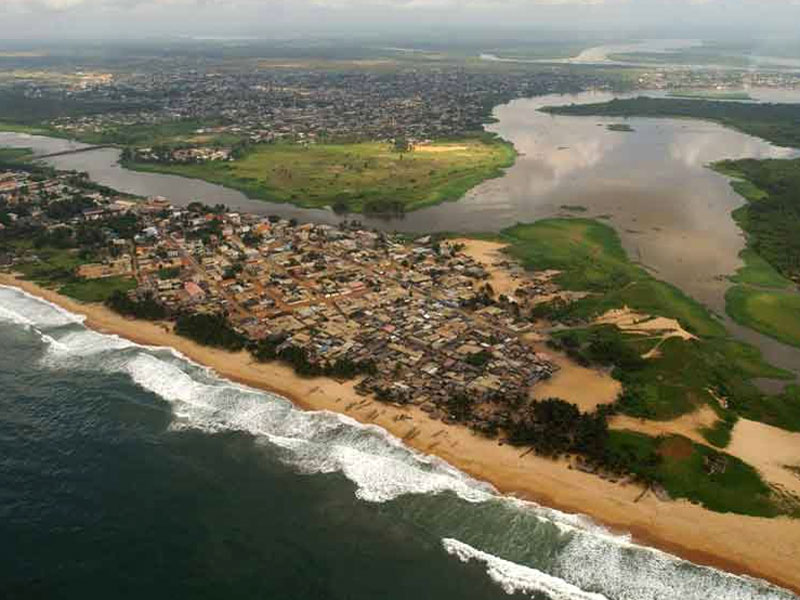
Grand Bassam is 45km east of Abidjan. It was briefly the capital city of the French colonies in the region from 1893 until 1896, when the administration was transferred to Bingerville after a severe bout of yellow fever. The city's inhabitants recovered, and it remained a key seaport until the growth of Abidjan from the 1930s, which crushed its golden era. By independence in 1960, Grand-Bassam was little more than a ghost town, until a surge of tourism in the 1970s led to its resettlement. Today, a modest 5,000 people call the town their home, although some areas remain largely abandoned.
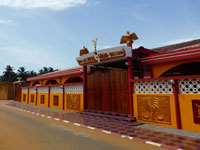
Our walk along the (run down) main street of the old town showed that some people still were living there. The smartest building was the local king's palace: he being King of N'zima Grand-Bassam Nana Ahoula Desired Tanoe . It is difficult to know whether he has any real power locally or not, but he certainly has enough money to maintain his palace
Click on any of the thumbnails to get a bigger version of the picture
 |
 |
 |
 |
 |
 |
 |
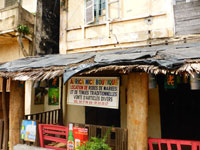 |
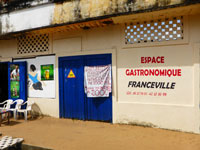
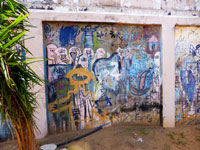
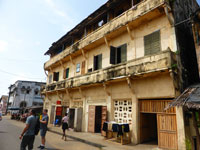
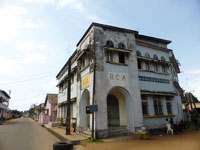
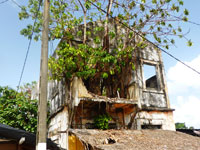
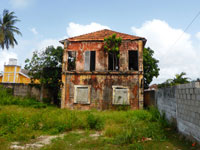
Unfortunately, most of the buildings of the Old Town are now very dilapidated and neglected. The historical district of Grand-Bassam was included in the list of the UNESCO World Heritage site in 2012. But having said that it was very atmospheric and indeed authentic to walk the main street past these ruined and decaying building. Somehow I doubt that the Ivory Coast will ever have enough money to restore the buildings, and they are unfortunately, in all probability, doomed to collapse in the next 10 years.
There was a terrorist attack in 2016 when 16 people were murdered on the beach. Silversea neglected to mention this to us, but maybe they never knew.
Click on any of the thumbnails to get a bigger version of the picture
 |
 |
 |
 |
 |
 |
 |
 |
 |
 |
 |
 |
 |
 |
 |
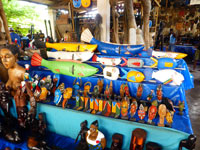
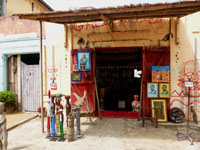
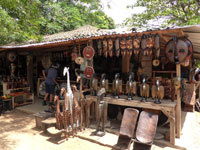
The compulsory one hour stop at the local craft market followed. We had a quick look round, then got back on the bus and waited for the return to the ship.!
Click on any of the thumbnails to get a bigger version of the picture
 |
 |
 |
We only had the one day in Ivory Coast, and then it was on to Sierra Leone