 |
 |
|
|
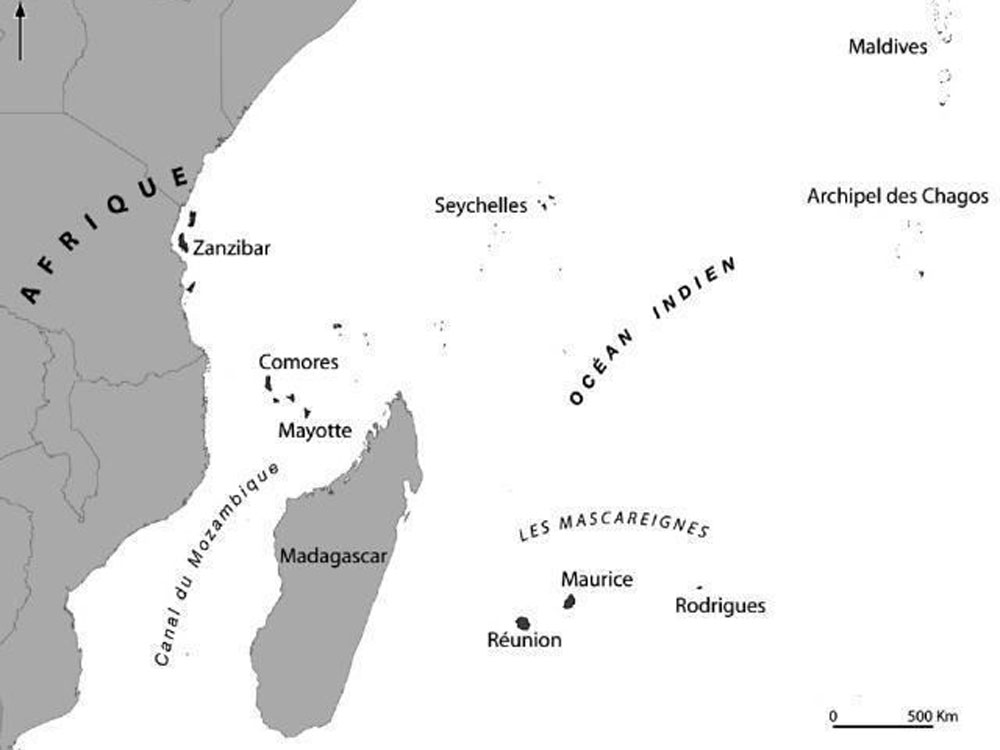
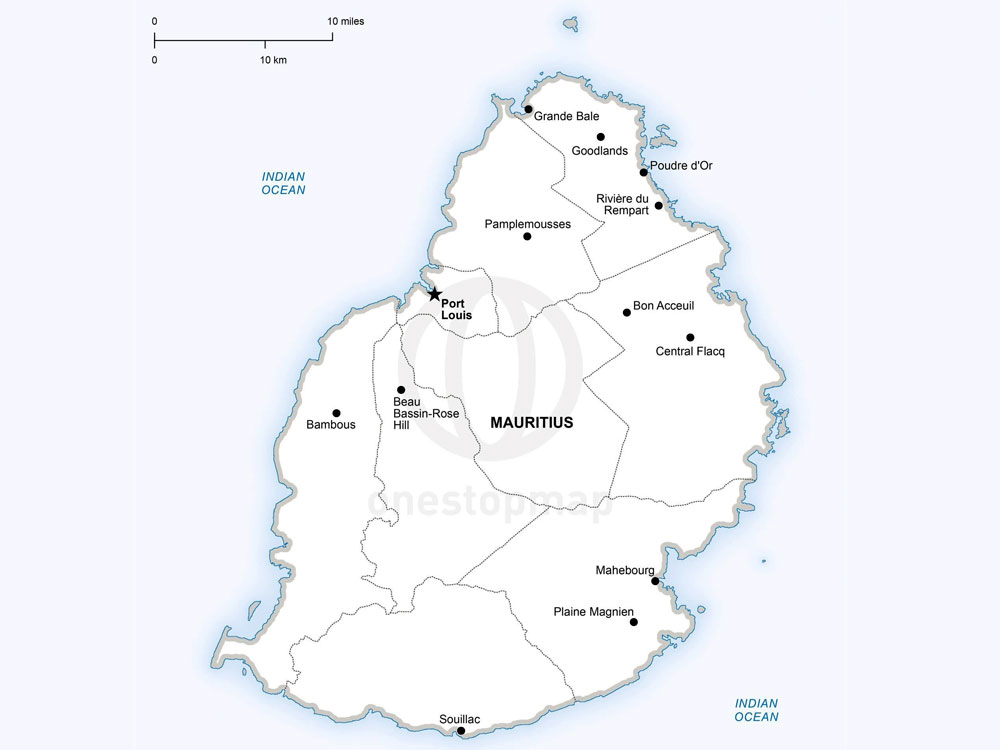
Mauritius is an Indian Ocean island nation with a rich, multicultural heritage shaped by successive waves of Arab, Portuguese, Dutch, French, and British colonization. Uninhabited until the 16th century, it gained global prominence for its strategic location, pivotal role in the sugar trade, and the tragic extinction of the dodo bird.. It became independent in 1968
The Dutch made the first colonization attempt in 1598, naming the island after Prince Maurice of Nassau. They introduced sugarcane and deer, but abandoned the settlement in 1710, leaving behind the extinct dodo.
The French claimed the island in 1715, renaming it Isle de France. Under Governor Mahé de La Bourdonnais, Port Louis developed into a strategic naval base, built on an economy powered by enslaved labour from Africa and Madagascar.
In 1810, during the Napoleonic Wars, the British captured the island. Following the abolition of slavery in 1835, they launched the "Great Experiment," importing nearly half a million indentured labourers from India, permanently transforming the island's demographics.
Mauritius achieved independence in 1968 and transitioned to a republic in 1992. Overcoming early ethnic tensions and a fragile, single-crop economy, the nation successfully diversified away from sugar into textile manufacturing, high-end tourism, and financial services. Today, Mauritius stands as one of Africa's most stable, high-income democracies, defined by a peaceful, multicultural society.
Although the British ruled Mauritius for over 150 years, French remains the dominant language because of the terms of the 1810 capitulation treaty. When the British captured the island, they guaranteed that the French settlers could retain their laws, customs, religion, and language. The British focused purely on administration and global trade rather than cultural assimilation. Consequently, the established franco-Mauritian elite maintained control over the sugar estates, the press, and the legal system. This firmly cemented French as the high-status language of education and media, while the majority of the population adapted it into Mauritian Creole. Today English is the official government language
Saturday June 29 Arrive Mauritius
After our flight delay . we got to the hotel around 7 pm, sorted ourselves out after a lengthy registration program, the hotel being in the same group as the one in Rodriguez and using this complicated, absurd check-in system.
We then went down to a pleasant bar where they turned down the music for us and we had three cocktails. We also chatted to a South African business man, who did not seem to like his work on Mauritius. The staff brought David another unordered cocktail which he sent back. Not once but twice when he had refused the first: we reckon this was a scam that they did regularly to increase their takings. We went on an explore of the hotel and found the pool and various other niches before retiring to the room and soaking in a hot bath.
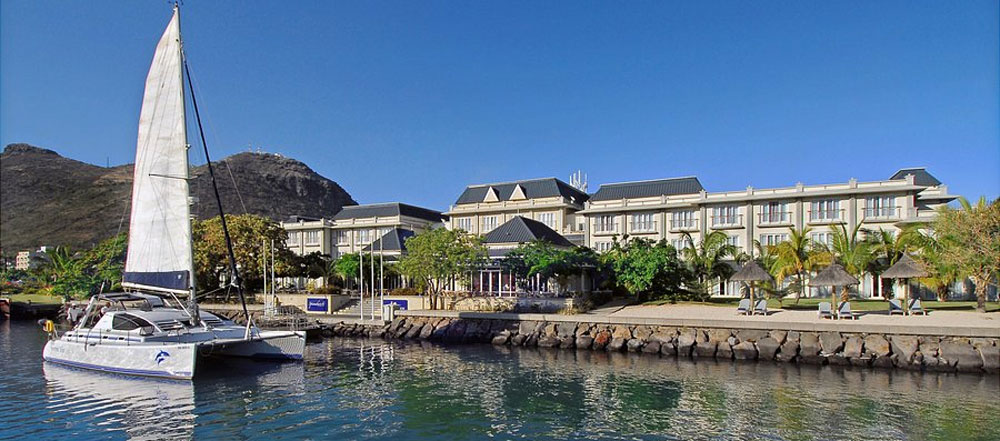
Le Suffren Hotel, Port Louis
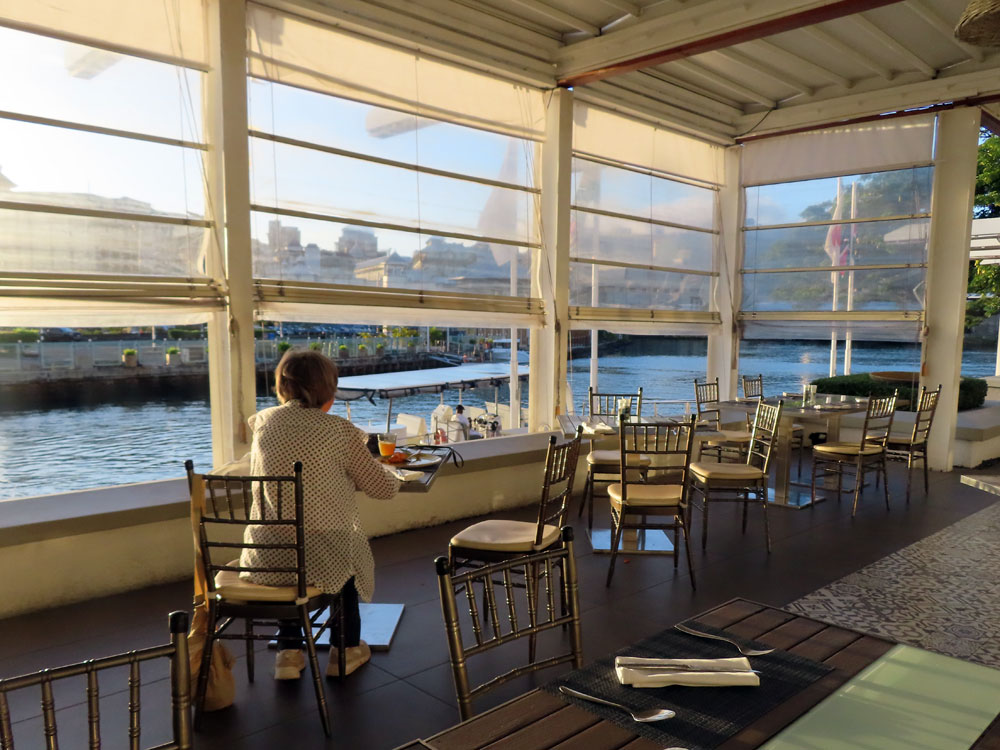
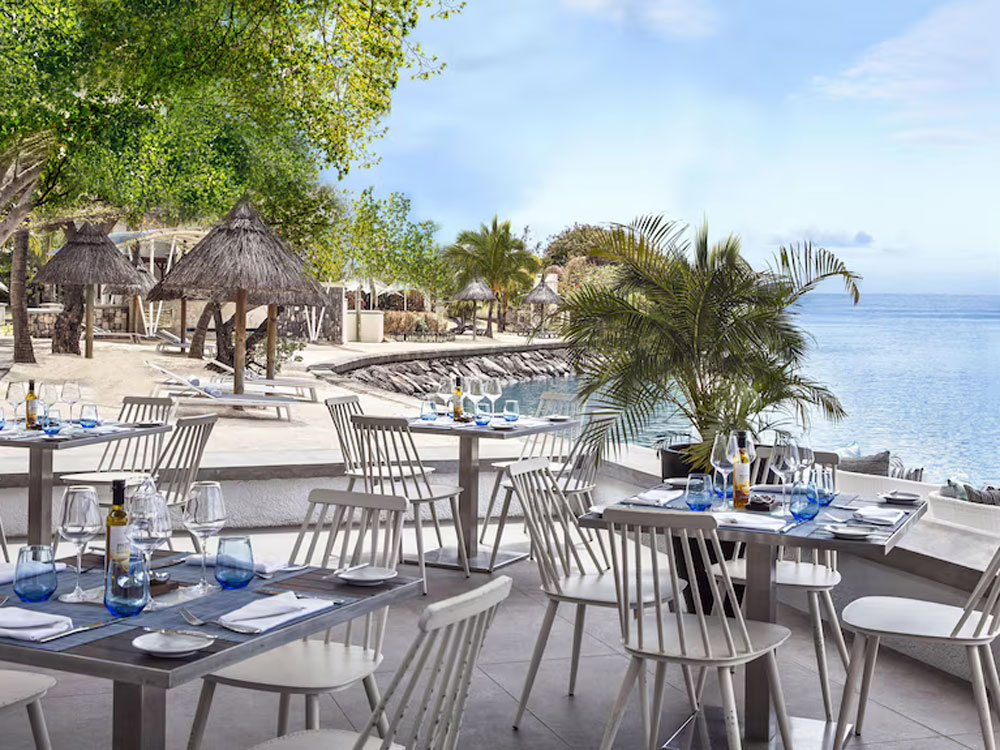
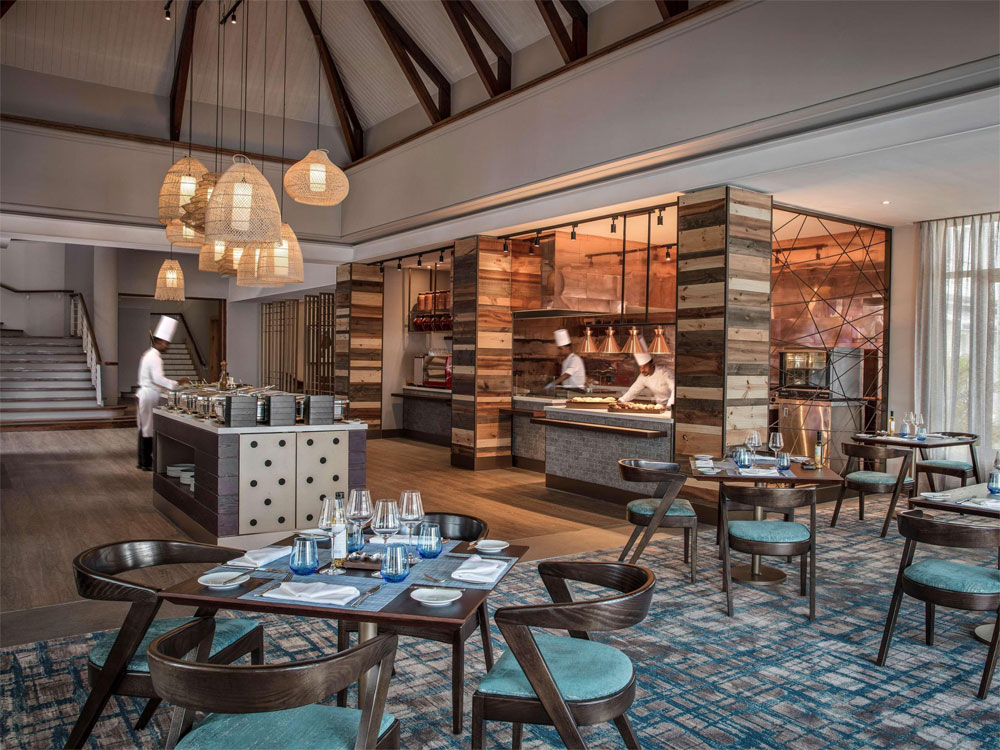
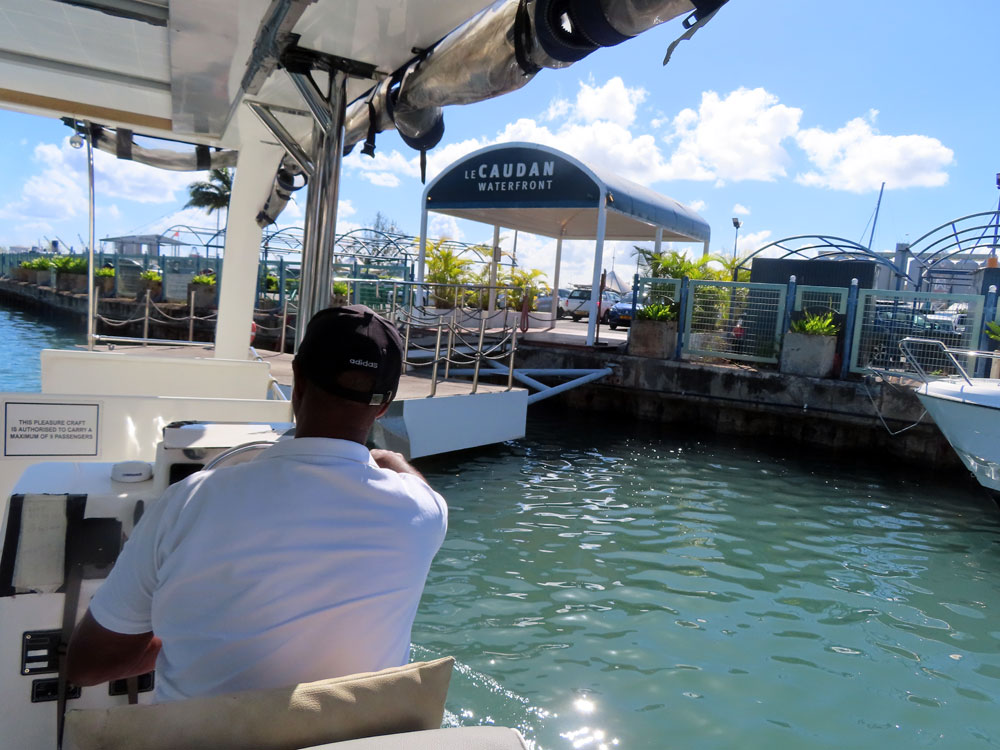
A fairly standard 4-star business hotel. It had a good position in the city centre - access by their private ferry across a very narrow tongue of water. When we had the "farewell" dinner, they had run out of virtually everything on the menu, which was very odd for a hotel this size. The bar was very atmospheric and had views over the surrounding water. The pool was odd too, it was sort of semi-detached from the hotel, and did not seem to be well maintained, and at night they did not light it up.
Reception was on the first floor and our room was down a floor. However it overlooked the back of the building (as most of our other rooms) and was not somewhere I would sit to relax. The door to the outside patio was permanently bolted and could not be used. It was one of those hotels that will soon fade from my memory, it being neither good, nor bad, just unmemorable.
To get a larger photo, click on a thumbprint below
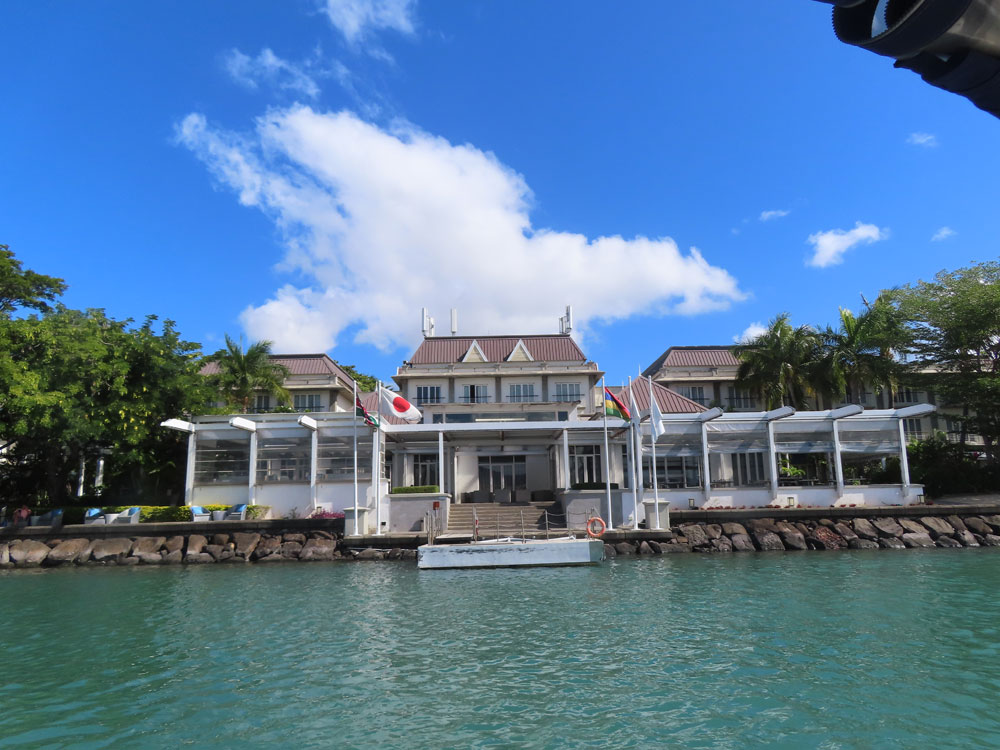 |
 |
 |
 |
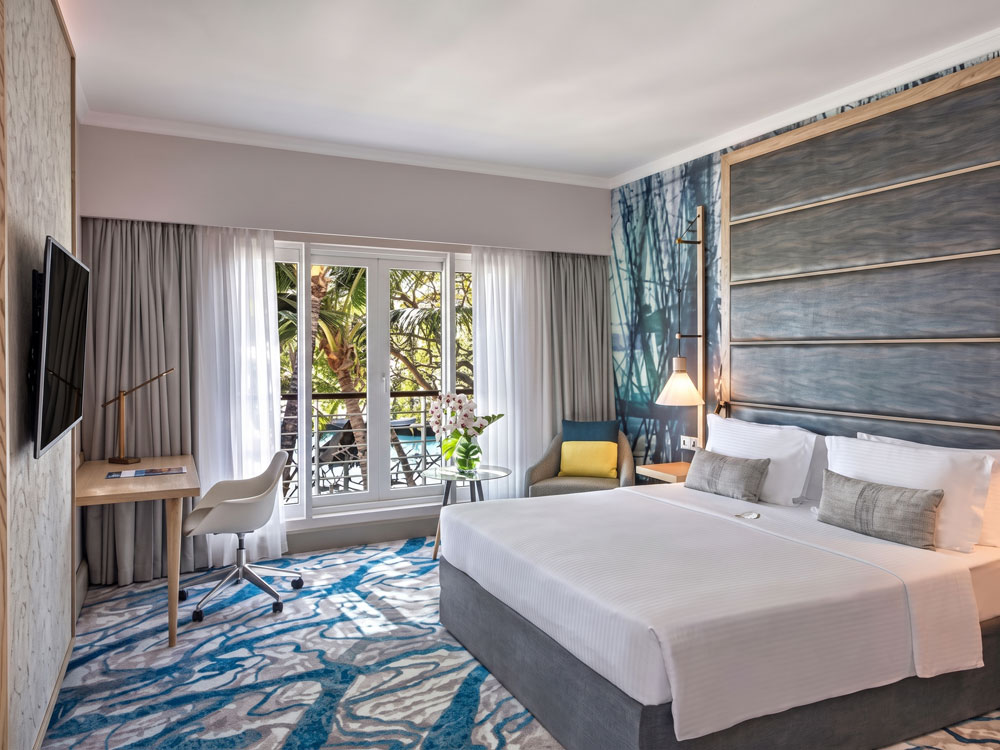 |
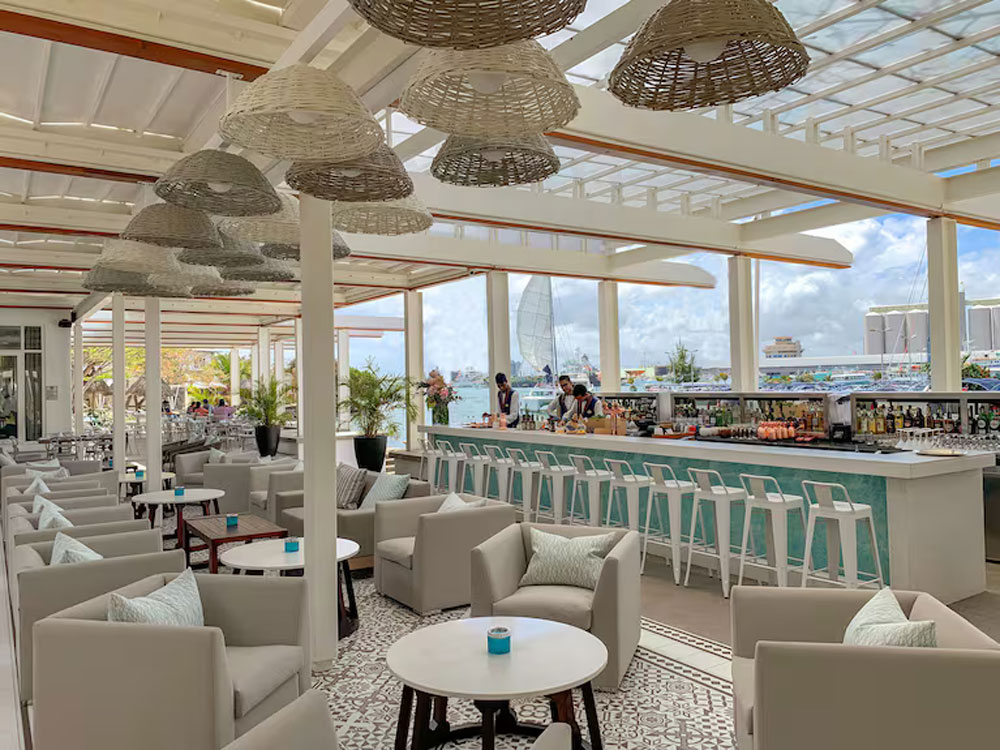 |
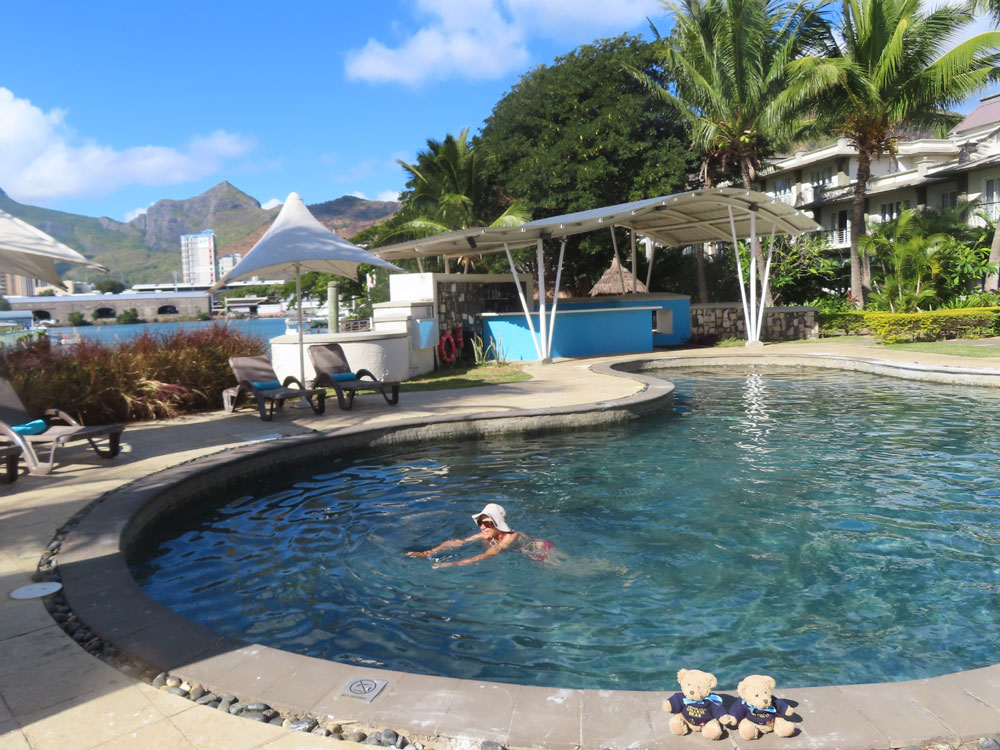 |
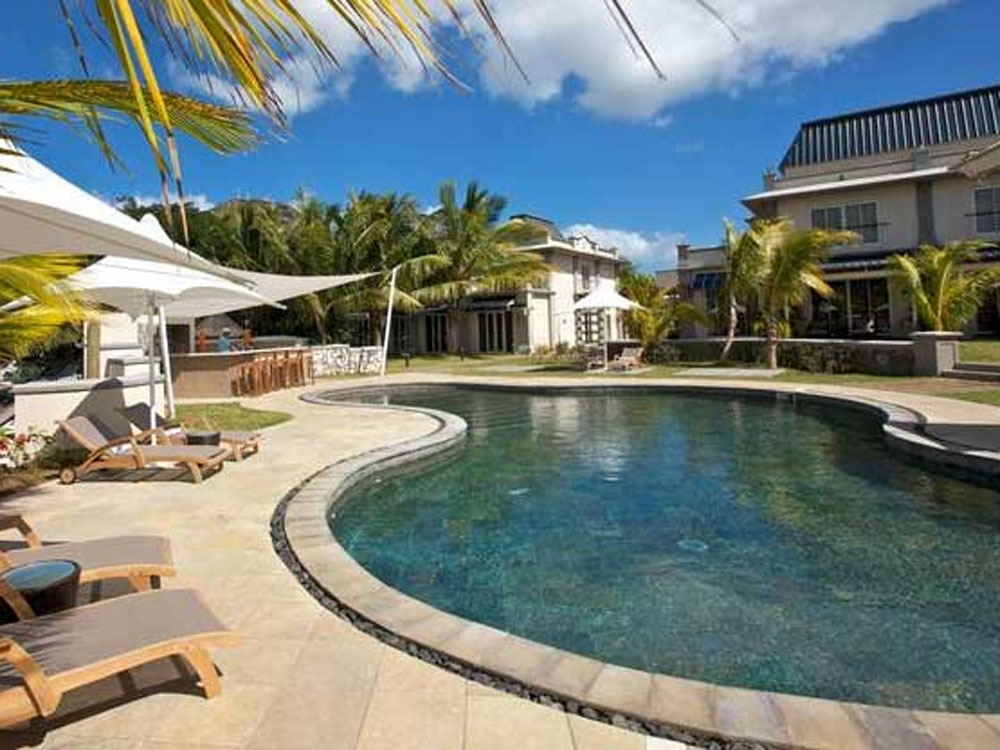 |
Sunday June 28 Mauritius
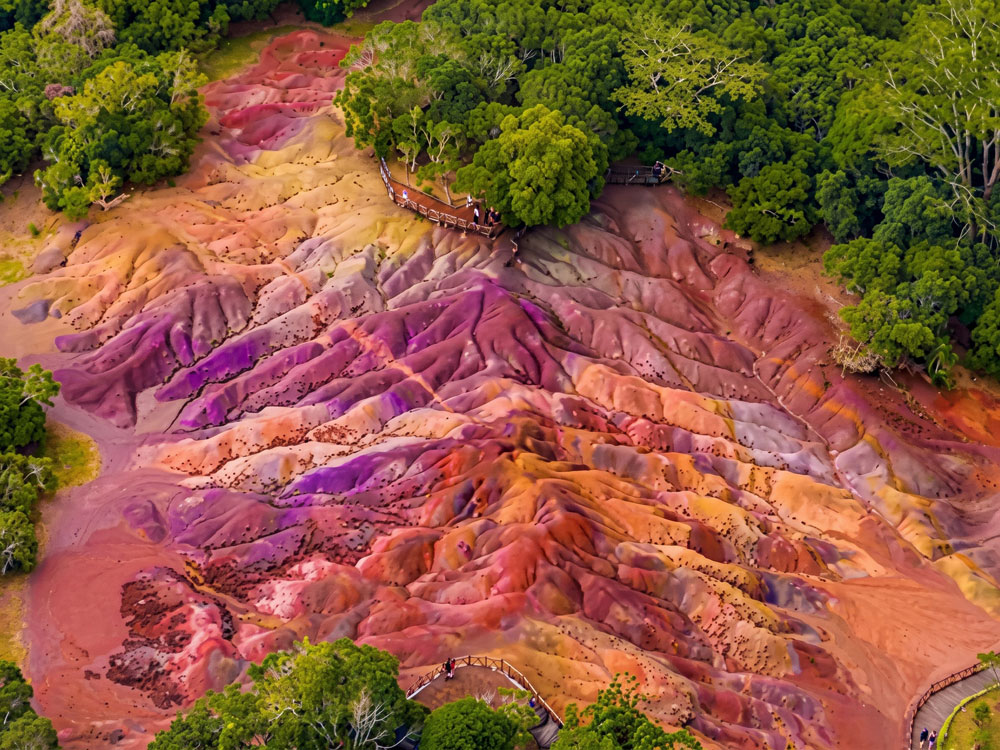
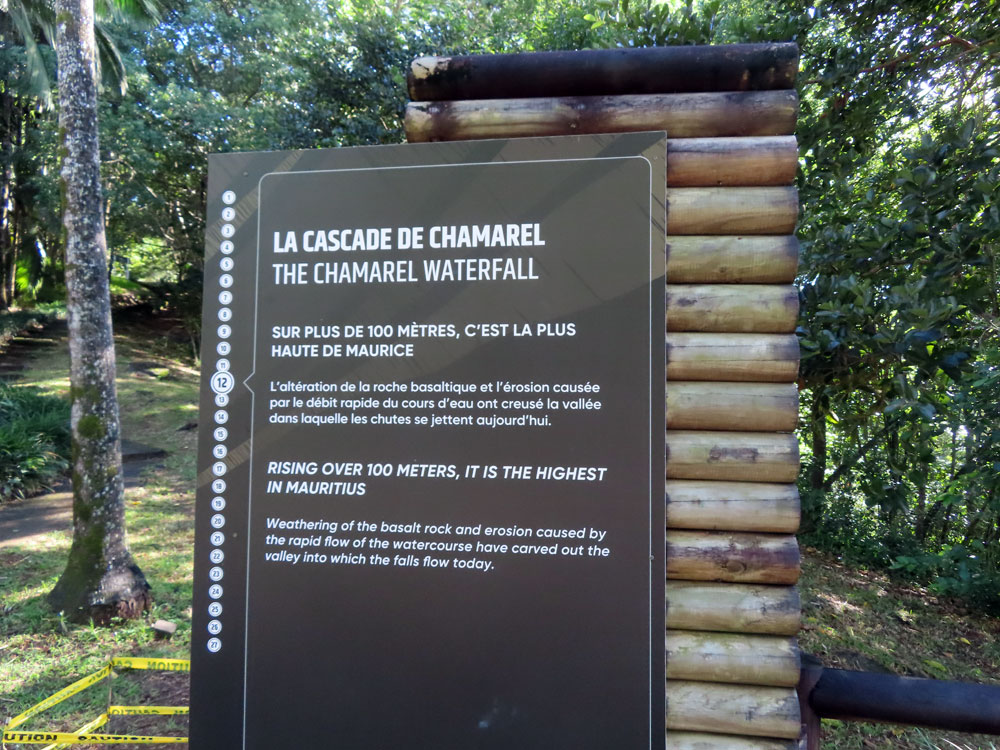
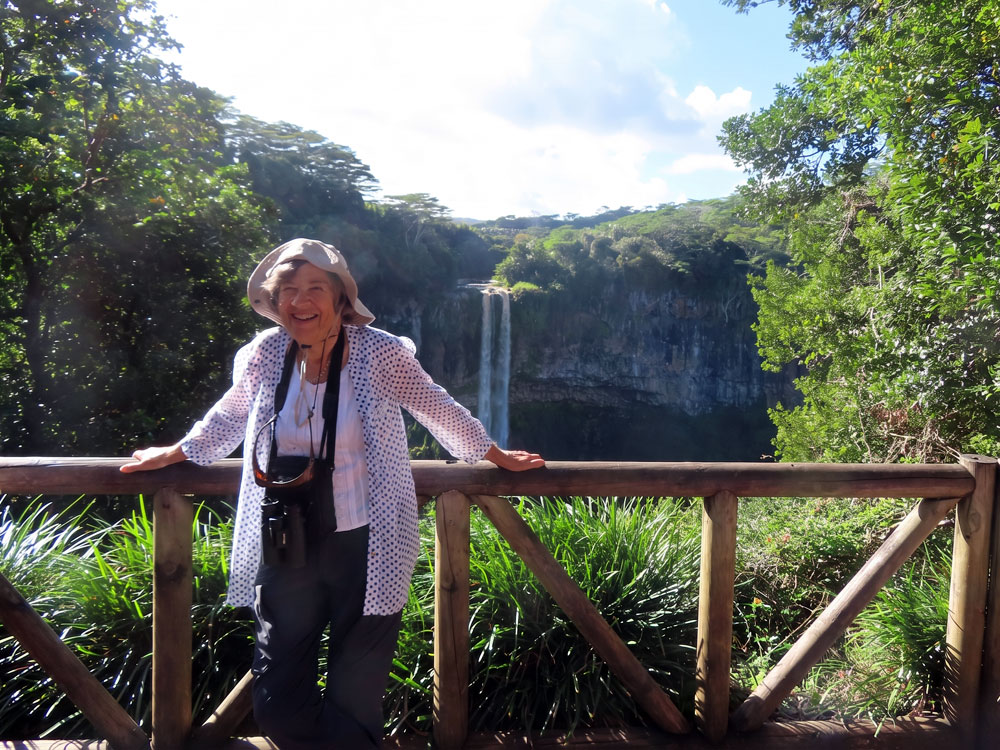
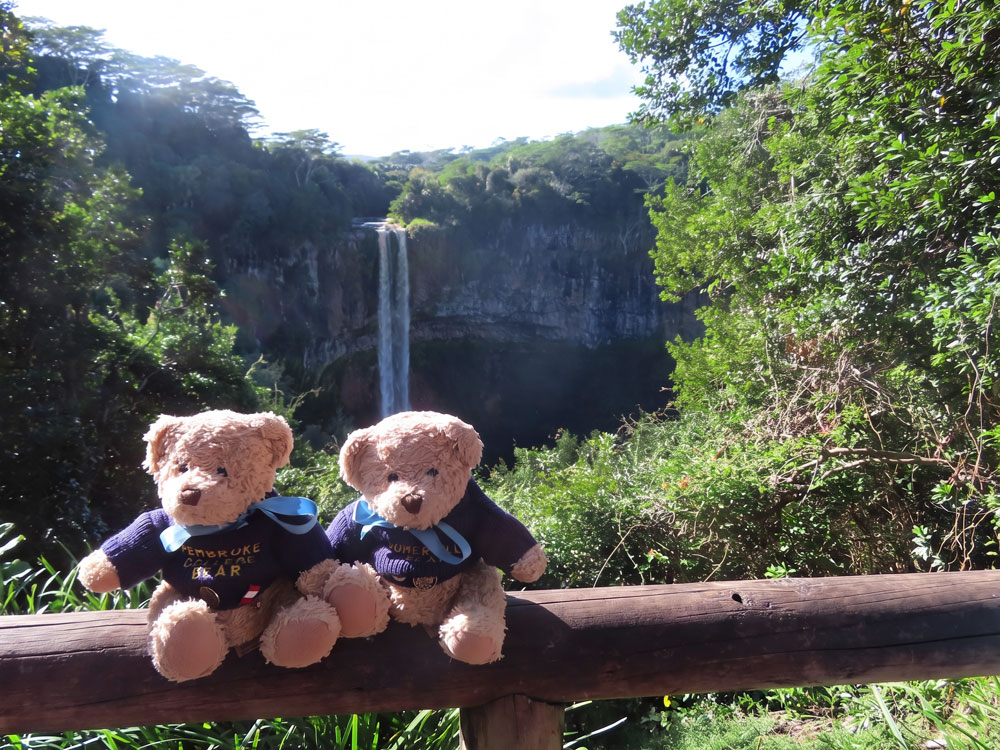
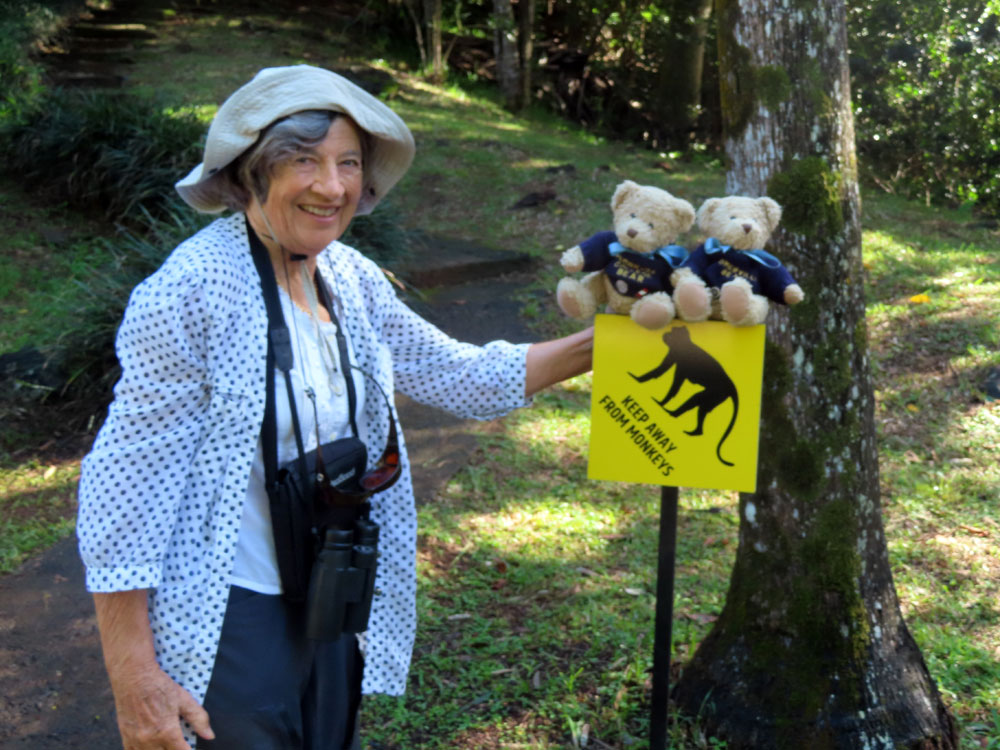
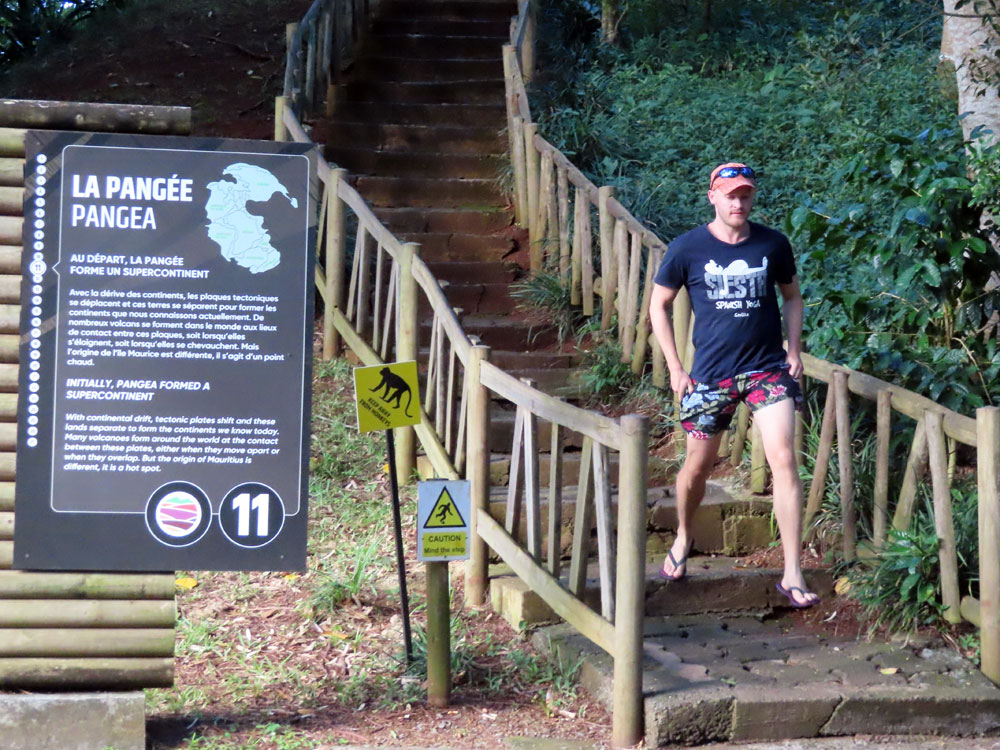
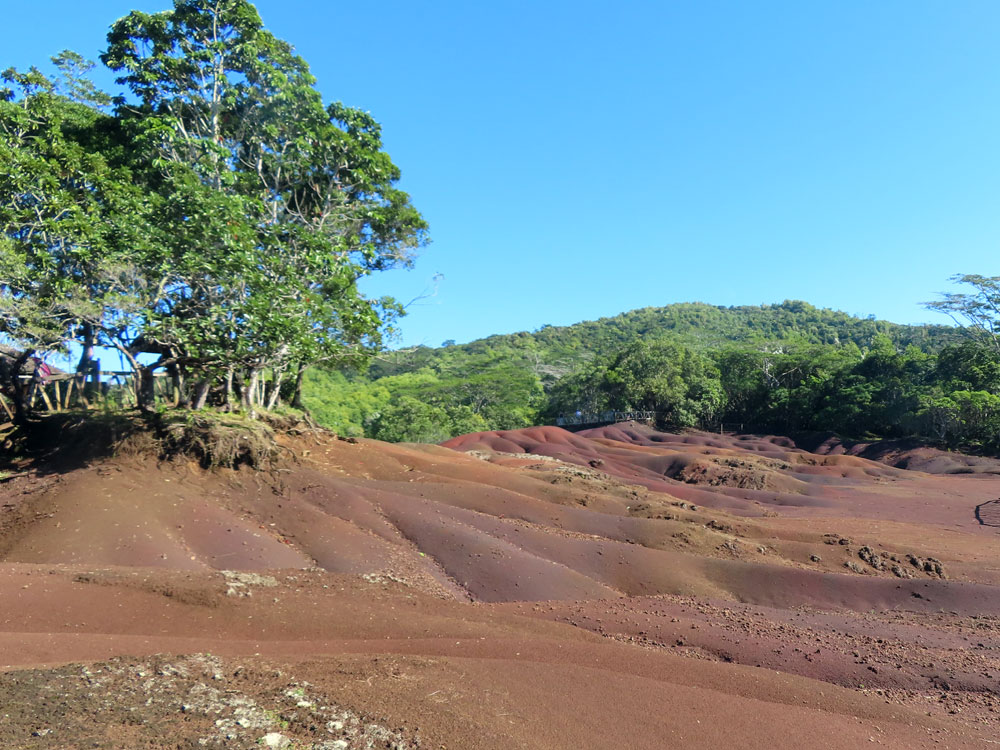
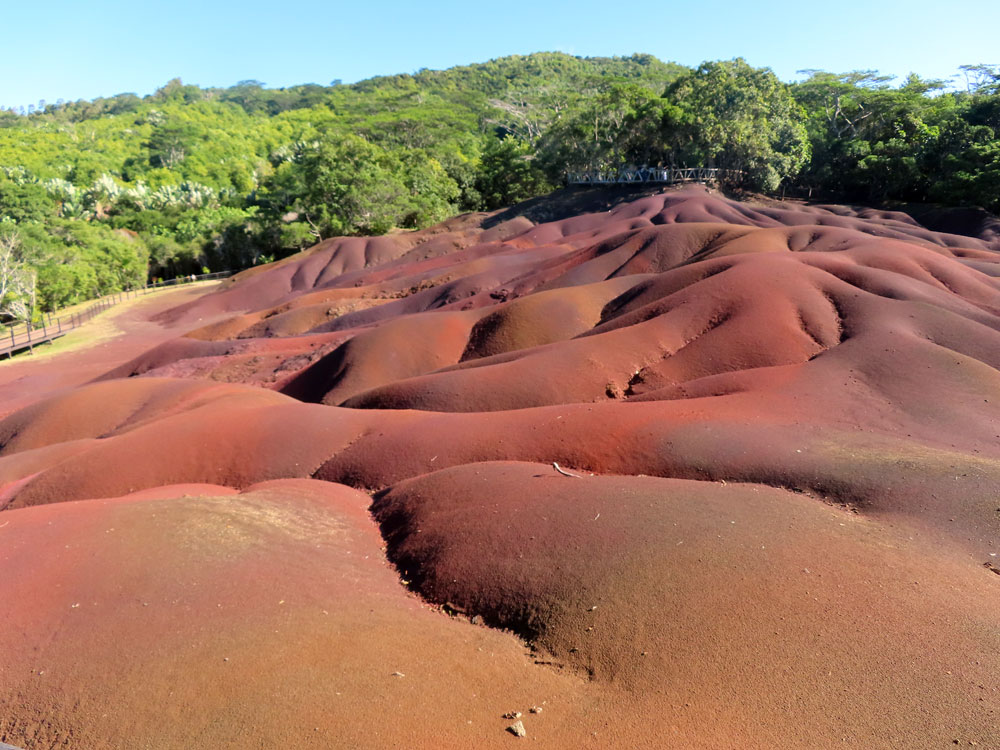
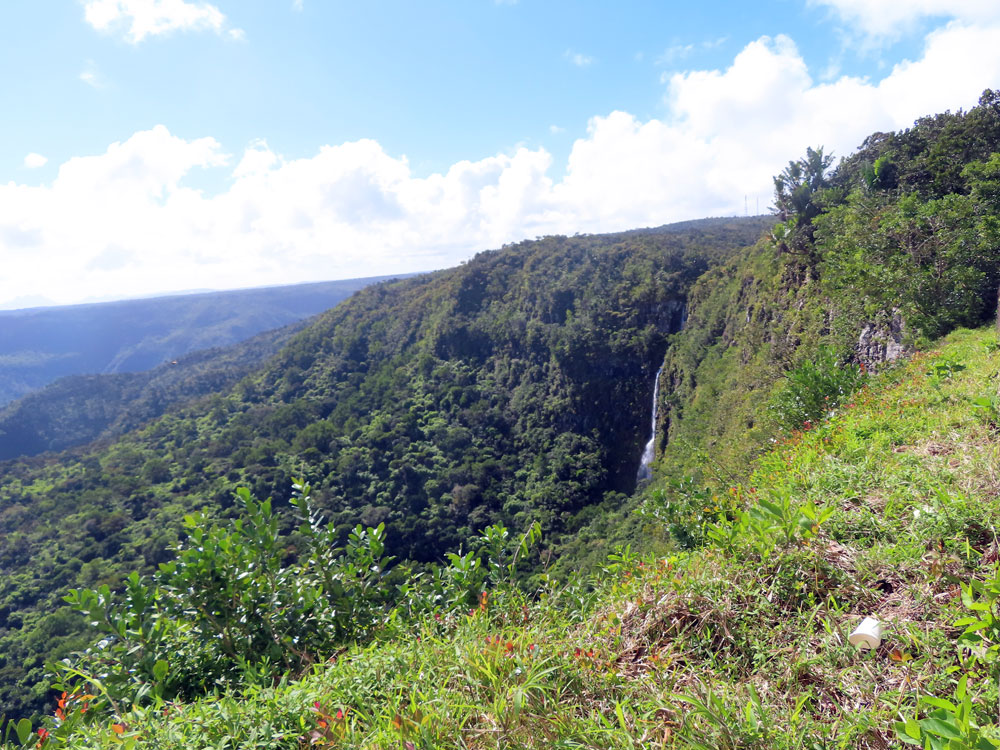
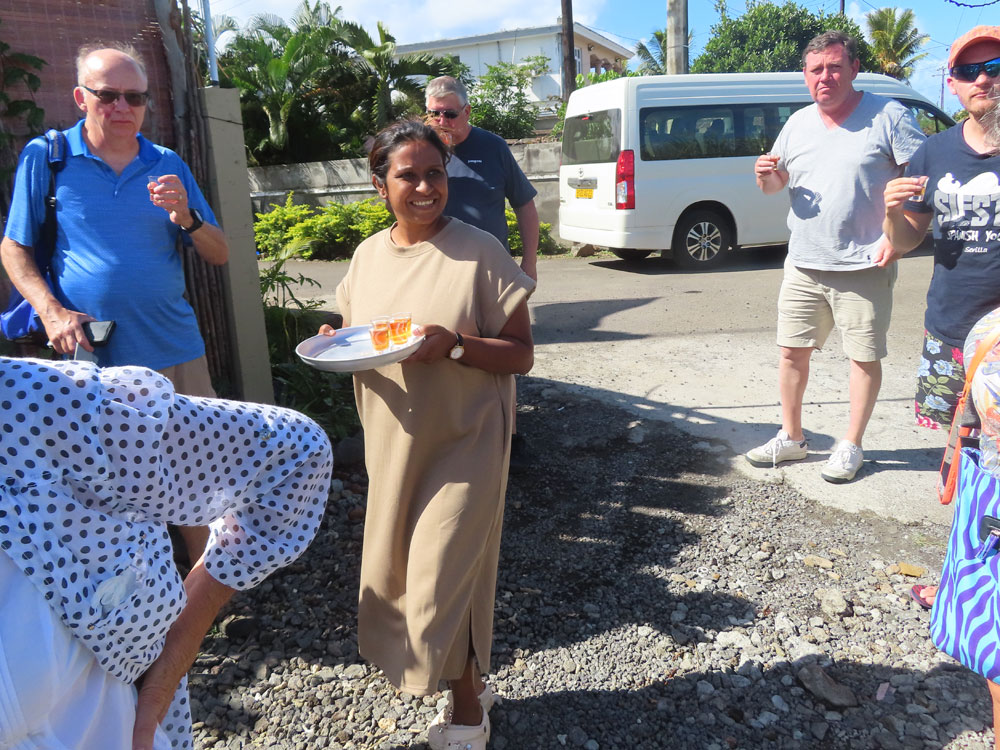
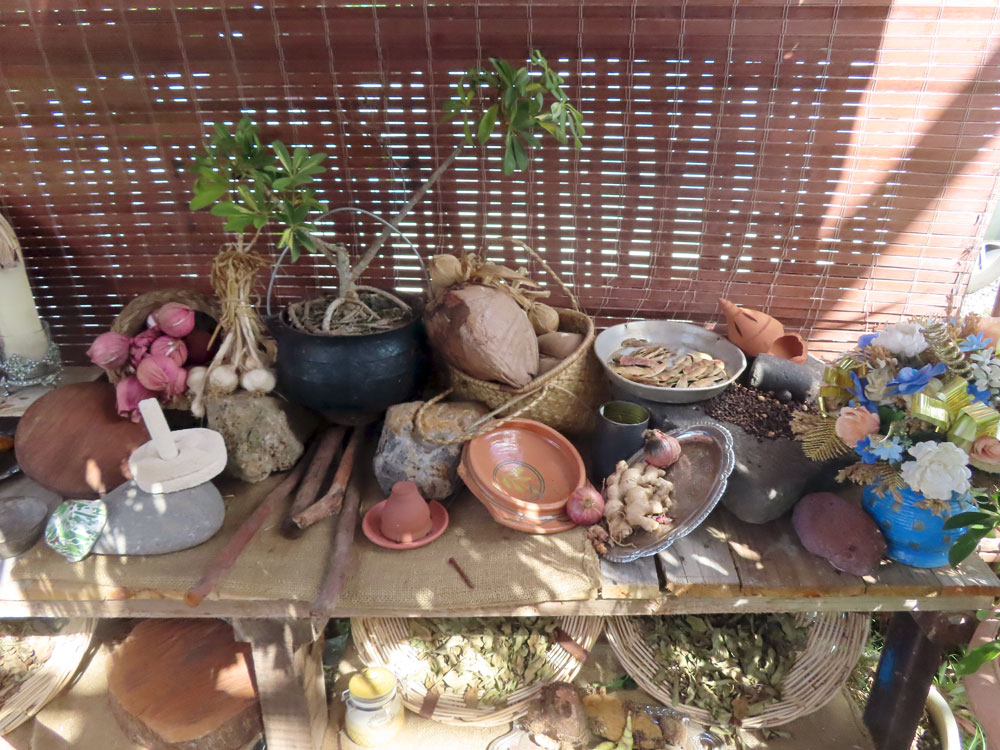
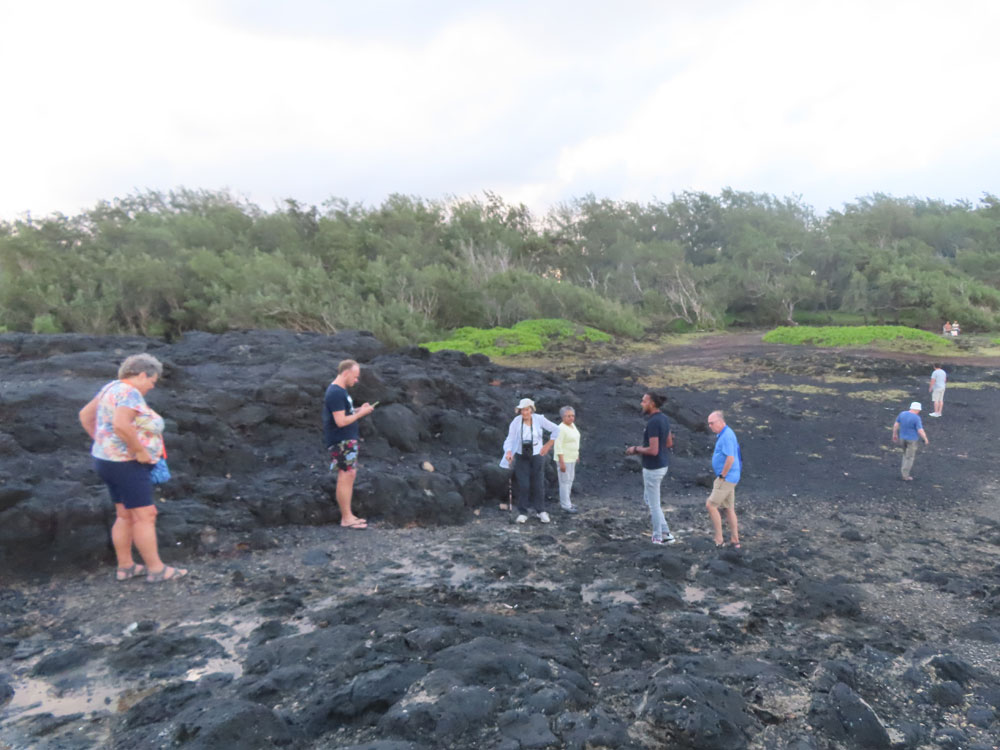
A very pleasant breakfast outside beside the canal watching a little ferry crossing to the main part of the capital. We left the hotel at 8 am for a full day tour of the island. During the morning we had many stops: one of these at a waterfall , another at a site where there were seven different colours of lava rock all joined together, and a spice nursery, just established.
Mauritius's Seven Coloured Earths, located in the Chamarel plain, is a surreal geological phenomenon. The dunes feature distinct, rolling layers of red, brown, violet, green, blue, purple, and yellow sand formed by decomposed volcanic rock. This drone shot has clearly been enhanced as the colours are nothing like as clear
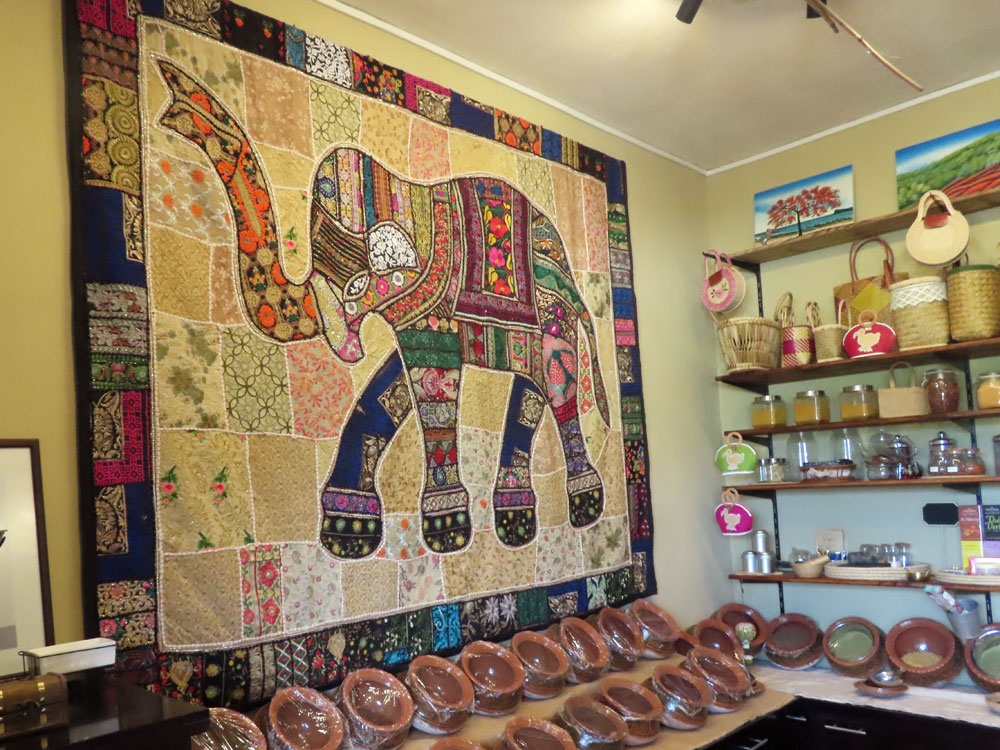
At the spice place they grew different sorts of spices and had a house full of old photographs old implements, old kitchen gadgets and sold some of the spices. Then we went on to a somewhat tired restaurant for lunch which was included, but the group order for lunch was not actually taken for 45 minutes and the whole meal spread out to almost 2 hours. Given that it was not a nice ambience this was really too much when I told the local guide this he just laughed: later he told me that he thought I was joking. I left before the dessert which was just ice cream or fruit salad and David came out as Sue had pinched his order of ice cream much to his annoyance.
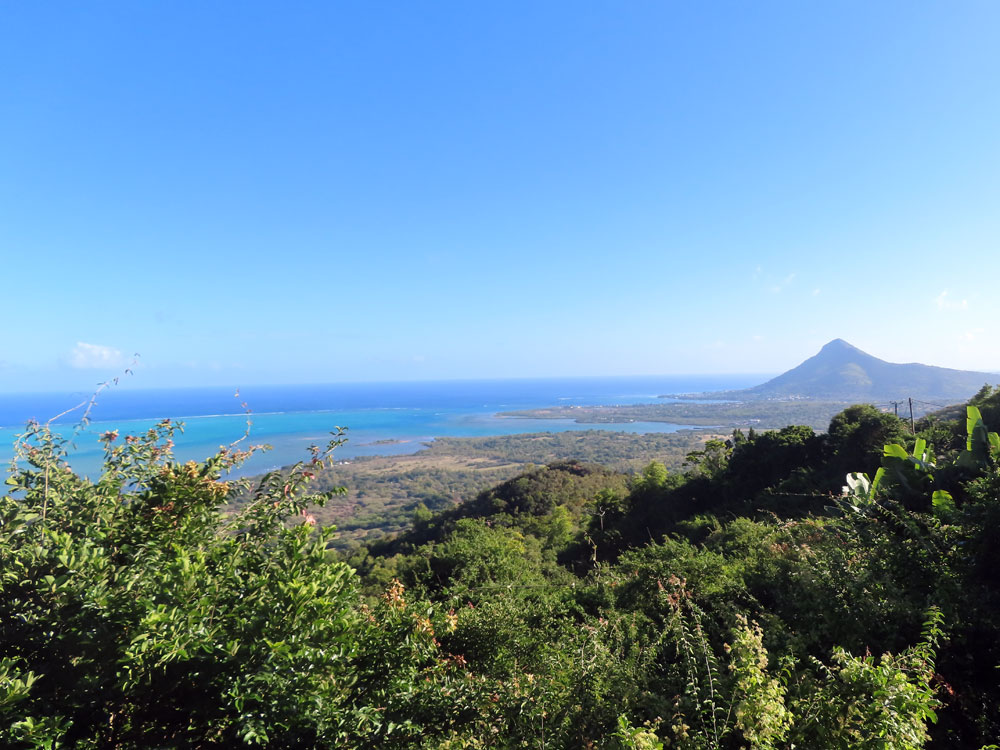
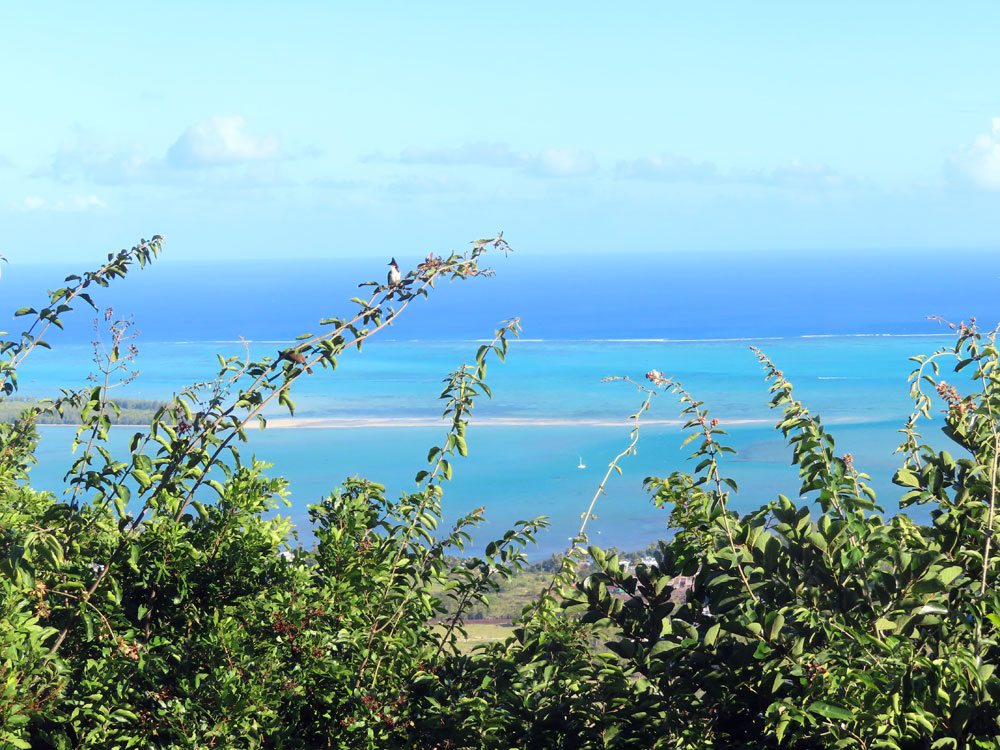
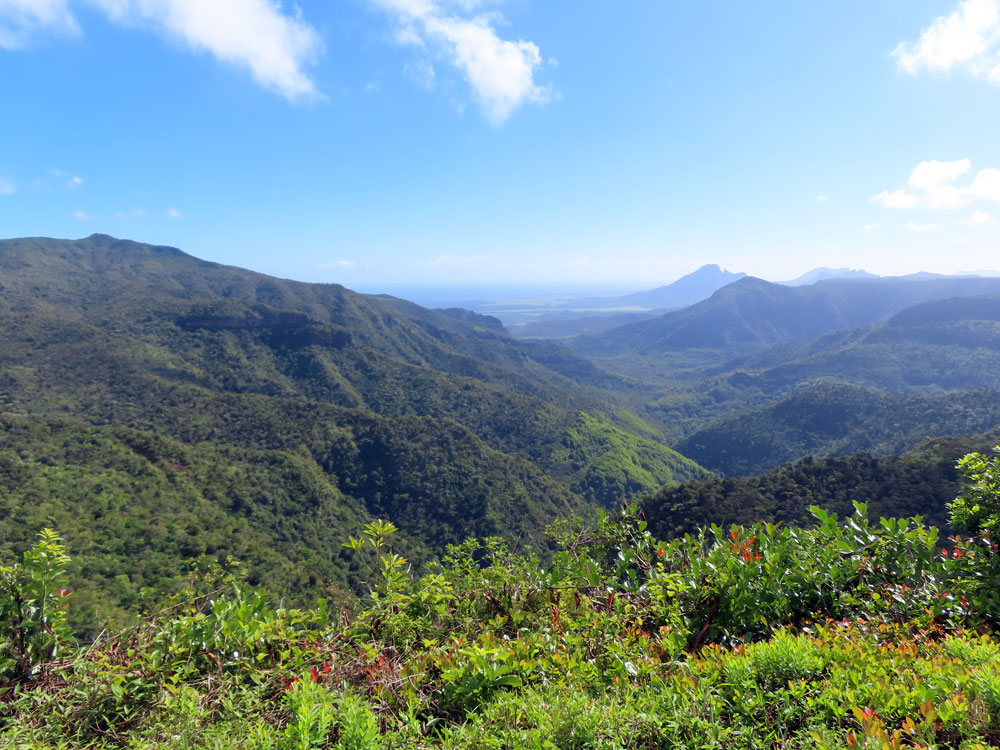
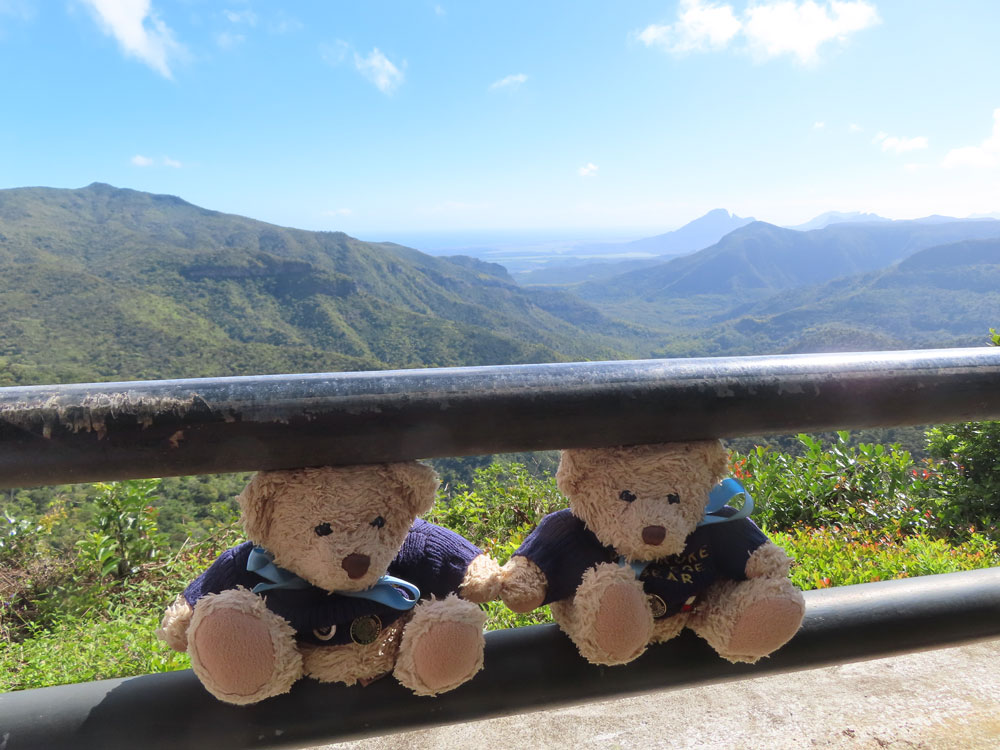
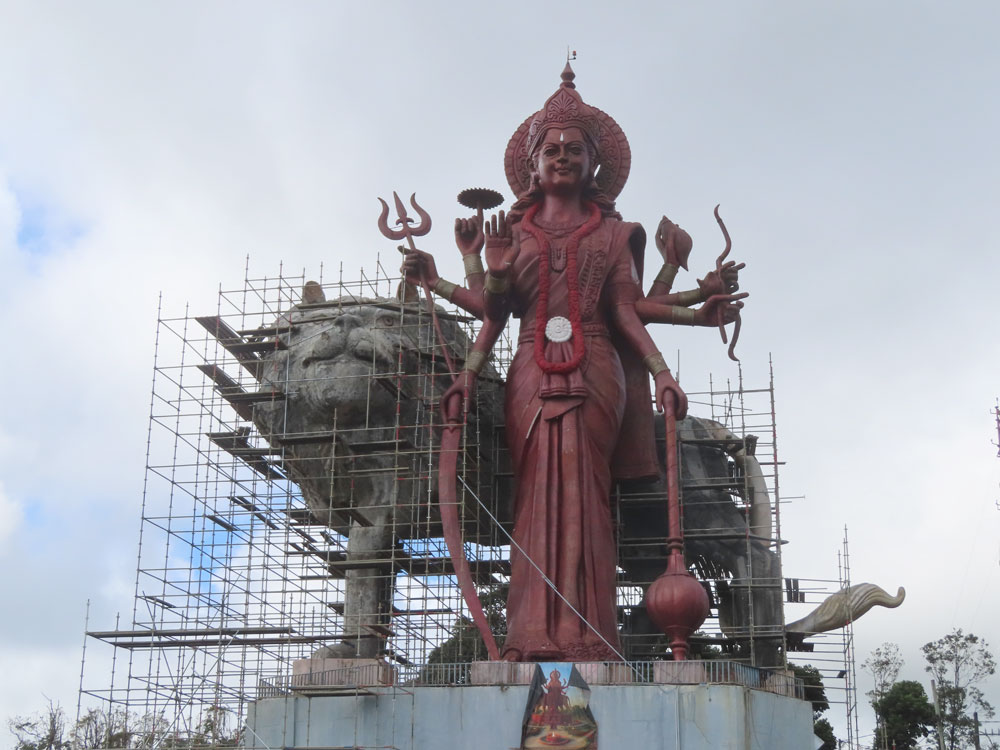
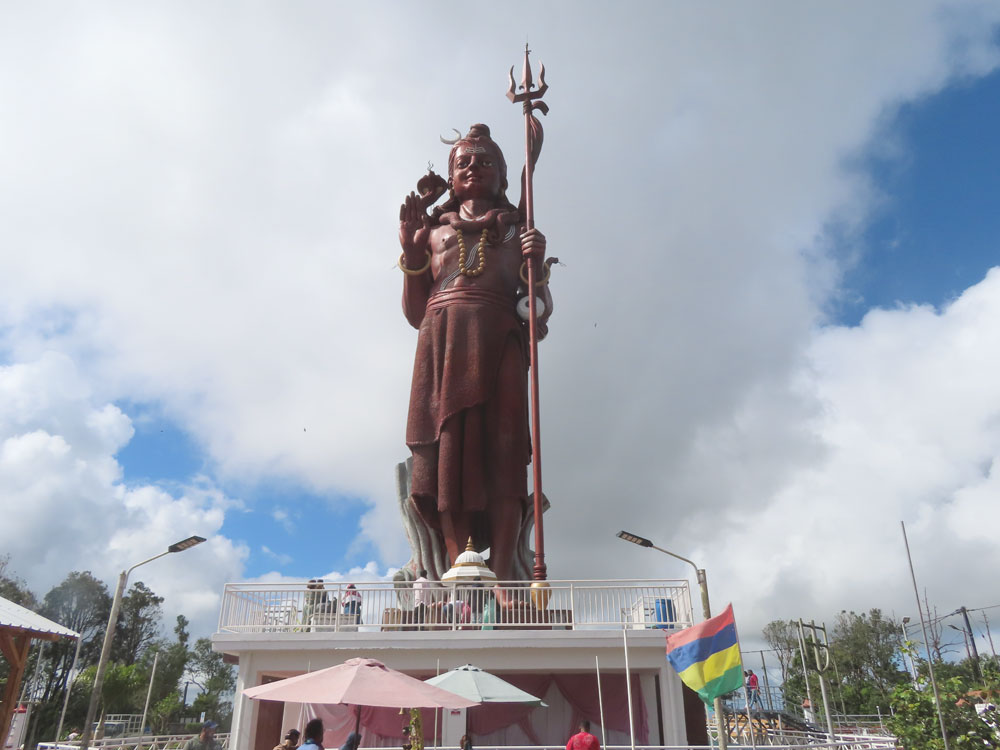
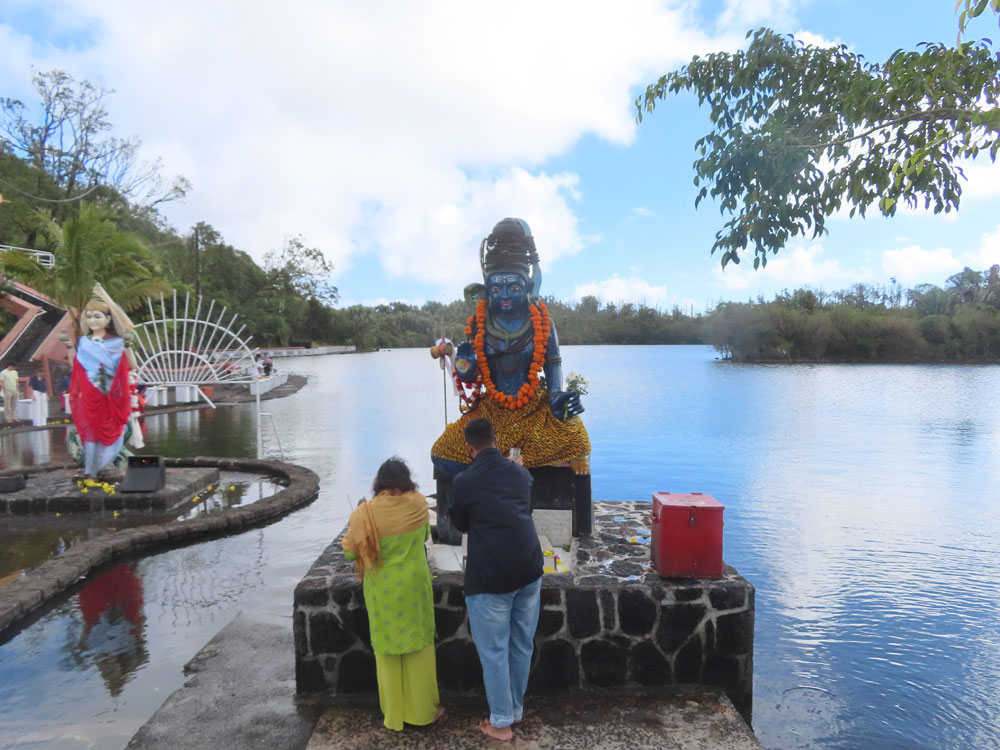
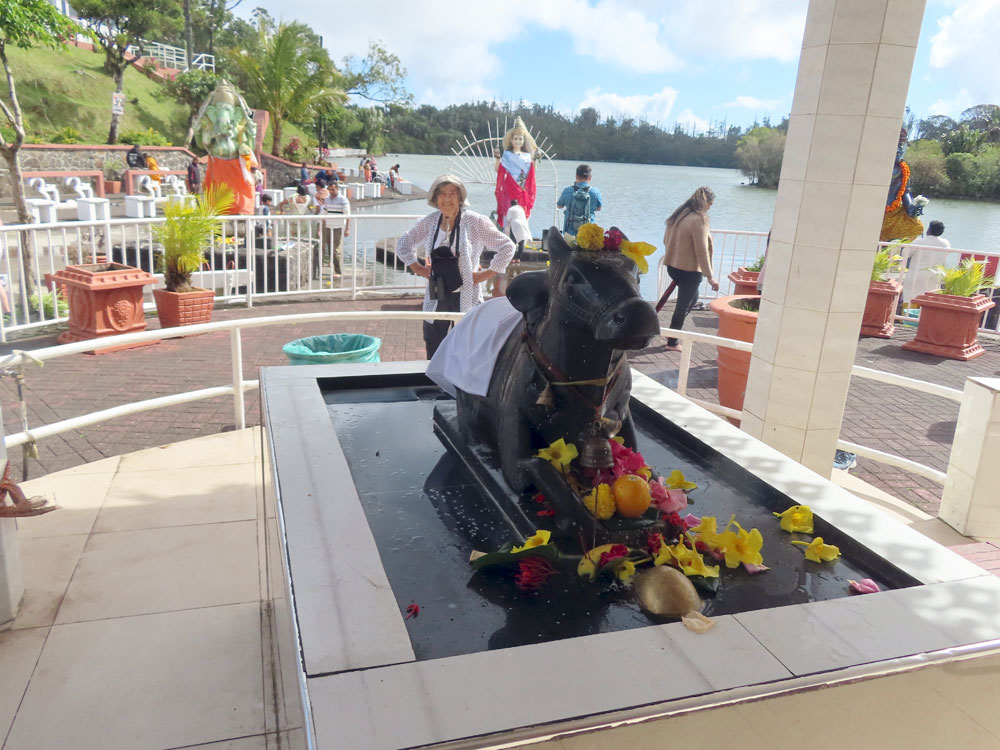
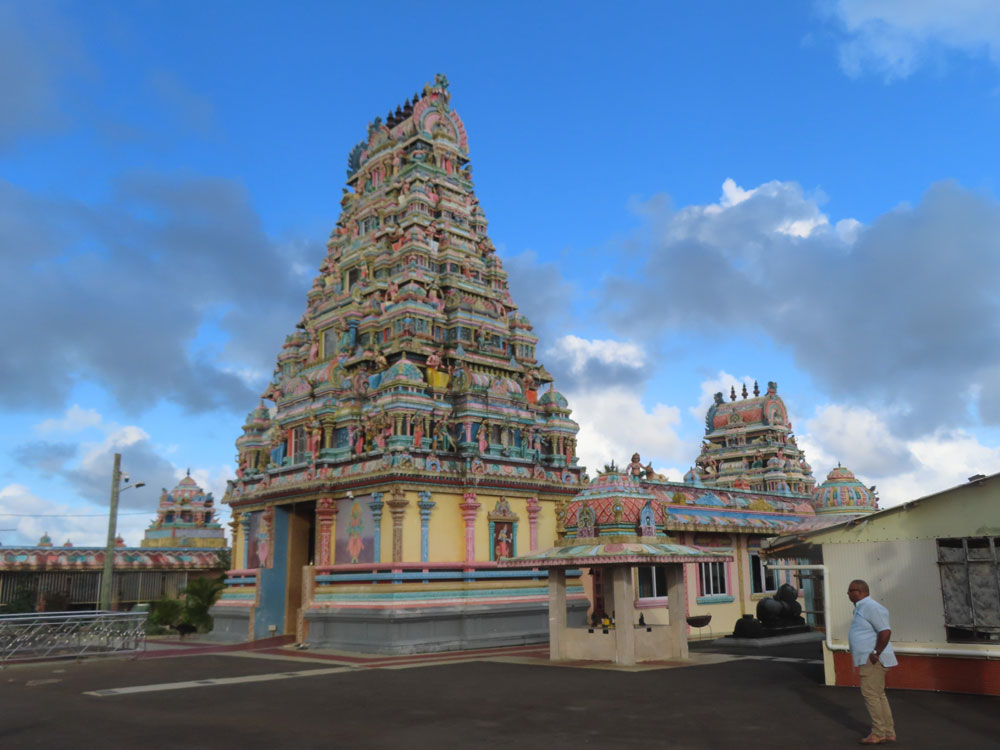
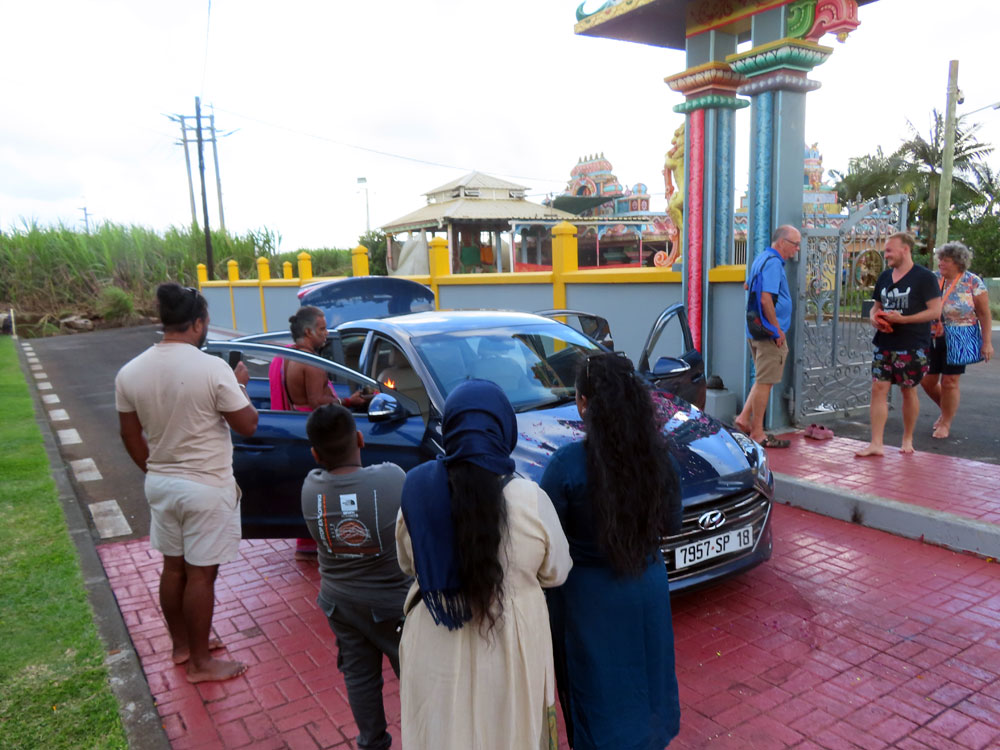
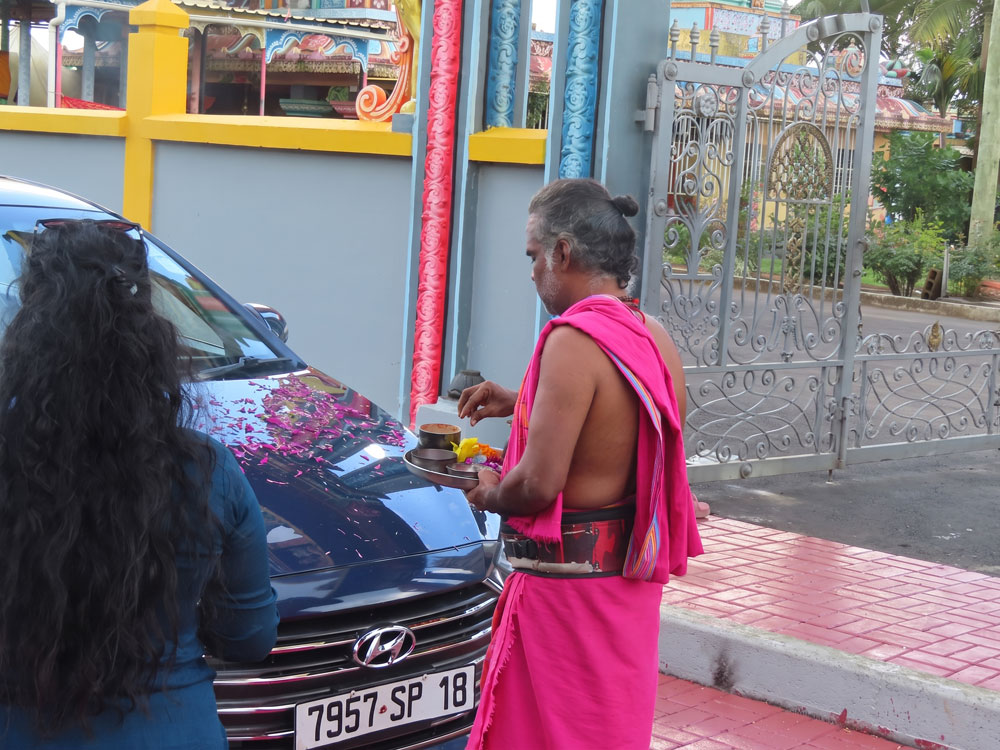
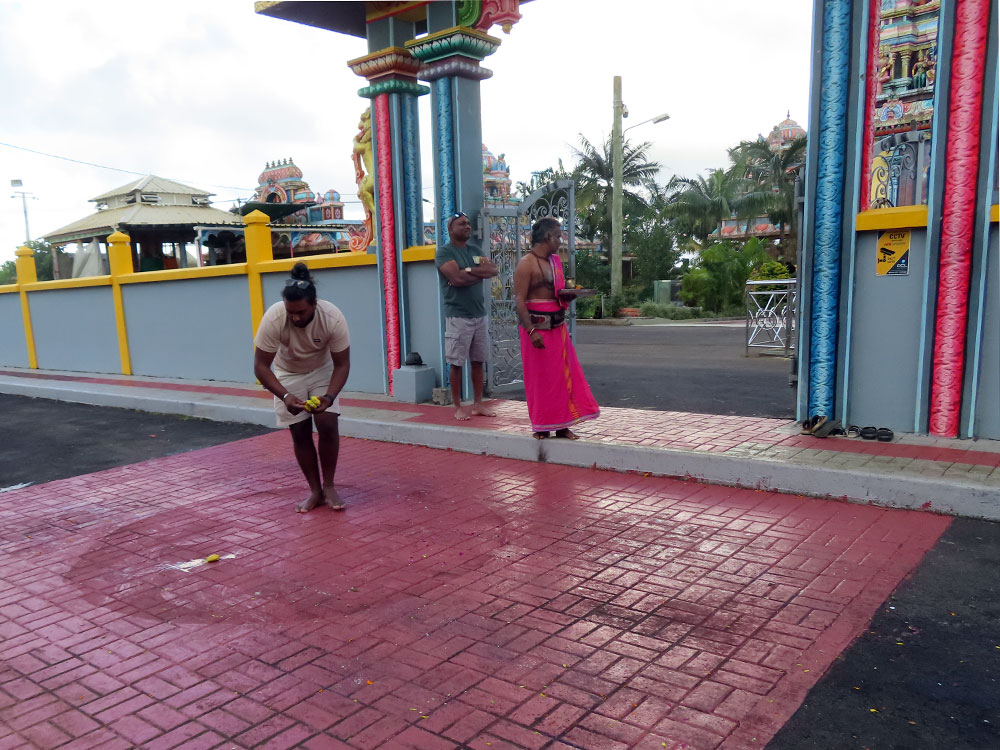
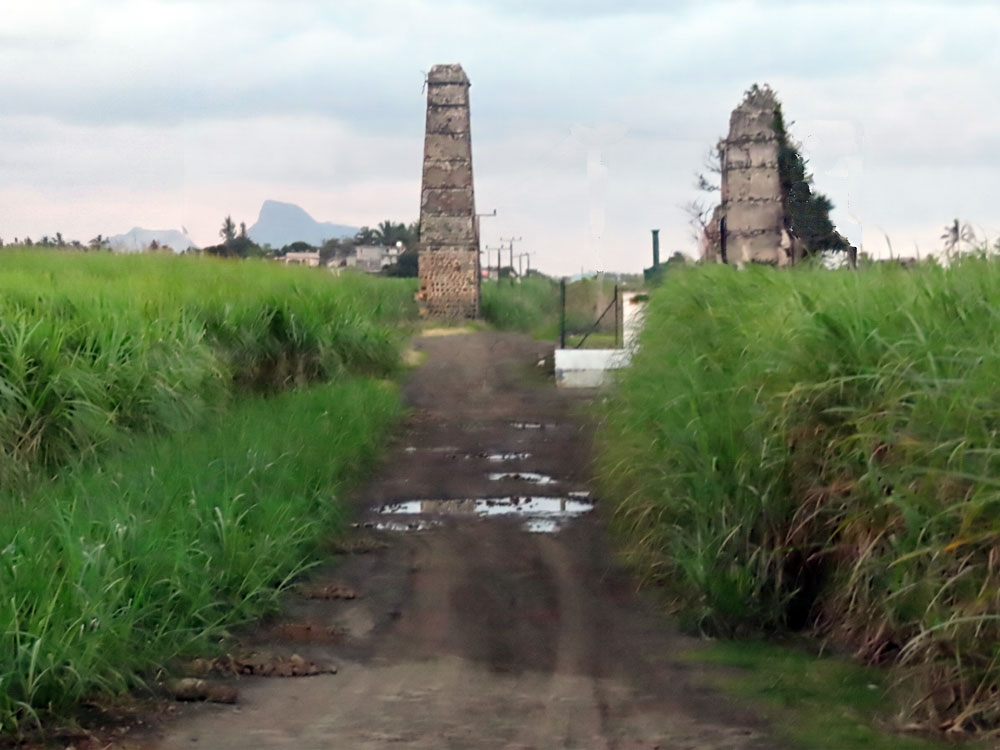
In the afternoon we visited two temples one a Hindu one beside a sacred lake, which was thought to have the properties of the Ganges And the other was in the midst of sugarcane plantations - hee the priest was kept busy blessing cars. Indeed, sugarcane was very much of the order of the day throughout our tour today. During the morning, the road had been remarkably bendy which made me feel slightly off. We also stopped for various views, one at a bridge over it very deep gorge which had been built in the early 1800s by the British for a railway to connect the sugarcane crops on either side.
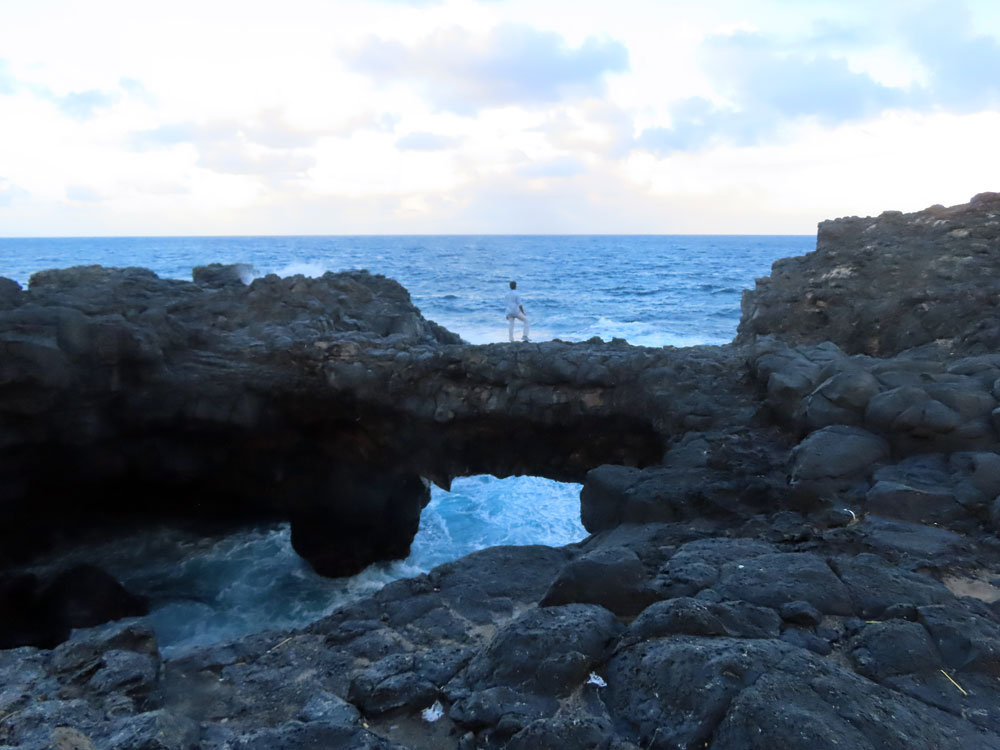
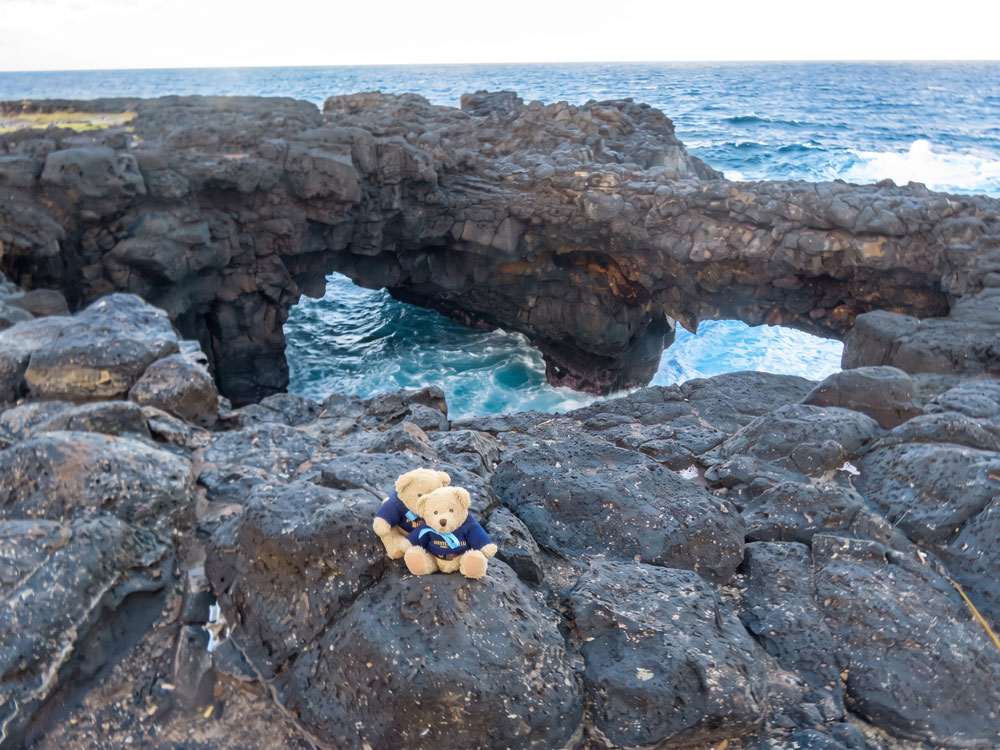
There was also and natural bridge of lava with water sprouting out in different places. We eventually got back to the hotel well after dark about 6:15 pm. I asked at reception if the swimming pool was still open and whether it was lit and was assured it was. When we went there it was almost in complete darkness with just a few lights on one side of it. Nevertheless, I had a quick swim in the darkness and there were no towels to dry myself afterwards.
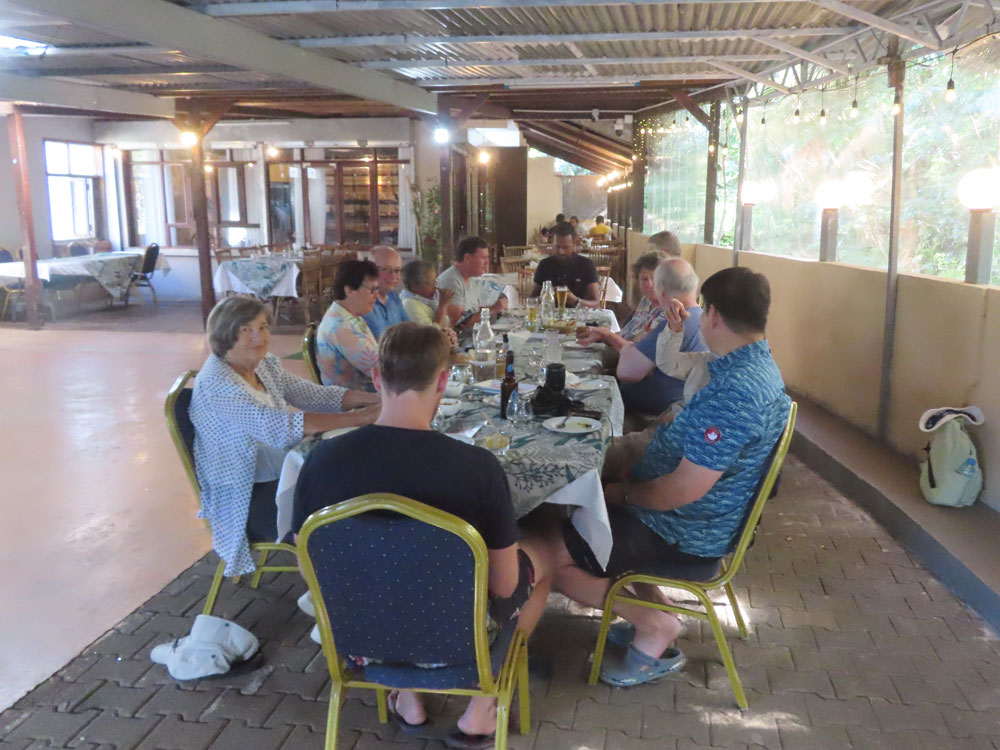
We then had an end of tour meal with all the group, paid for by our tour company, Undiscovered Destinations, as Josh and Rob were leaving on the tomorrow. After this David and I went to the bar and had another cocktail.: It was our 59th wedding anniversary.

To get a larger photo, click on a thumbprint below
 |
 |
 |
 |
 |
 |
 |
 |
 |
 |
 |
 |
 |
 |
 |
 |
 |
 |
 |
 |
 |
 |
 |
 |
 |
 |
 |
 |
 |
 |
 |
 |
Monday June 29 Mauritius to Seychelles
A somewhat tiring day. After breakfast we went and sat by the swimming pool for an hour and I enjoyed a swim . We then vacated the room at 11 am taking our suitcases up to reception.
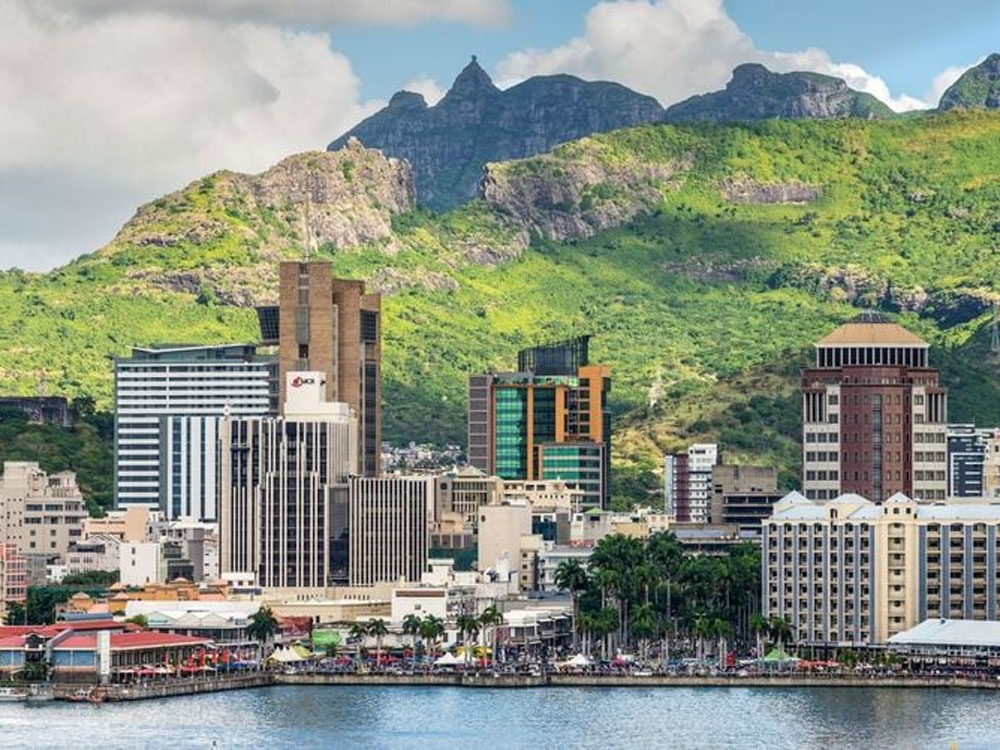
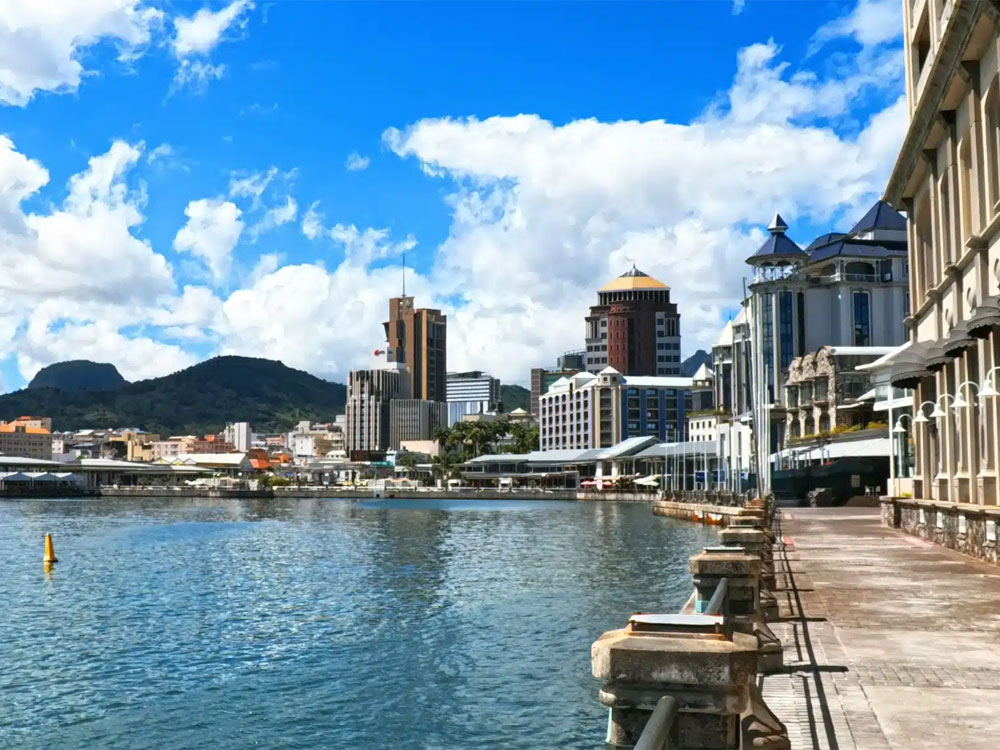
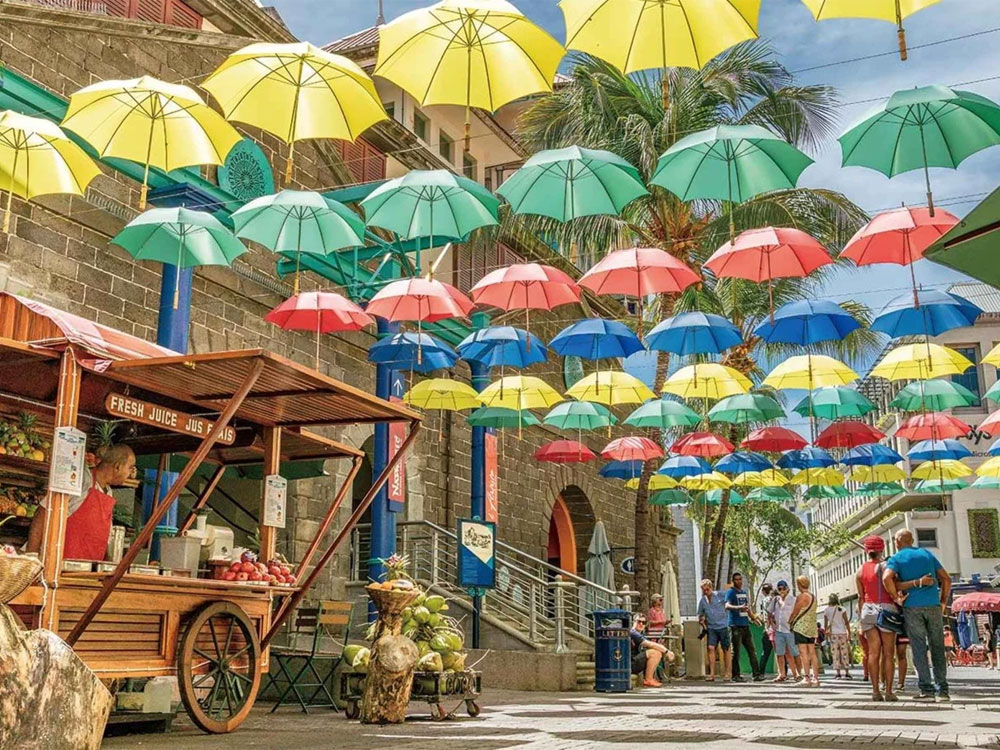
We took a small shuttle boat from the hotel, across the river to the main part of town, Port Louis and walked all the way through to the other side. We were impressed by what we saw, very modern a little reminiscent of Cape Town.
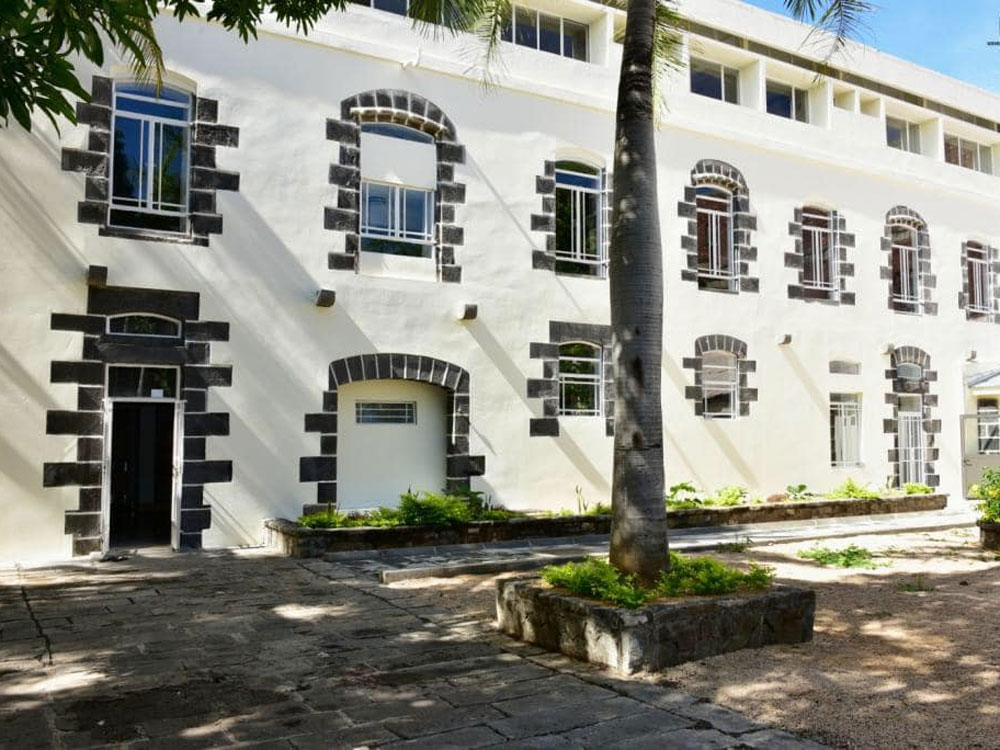
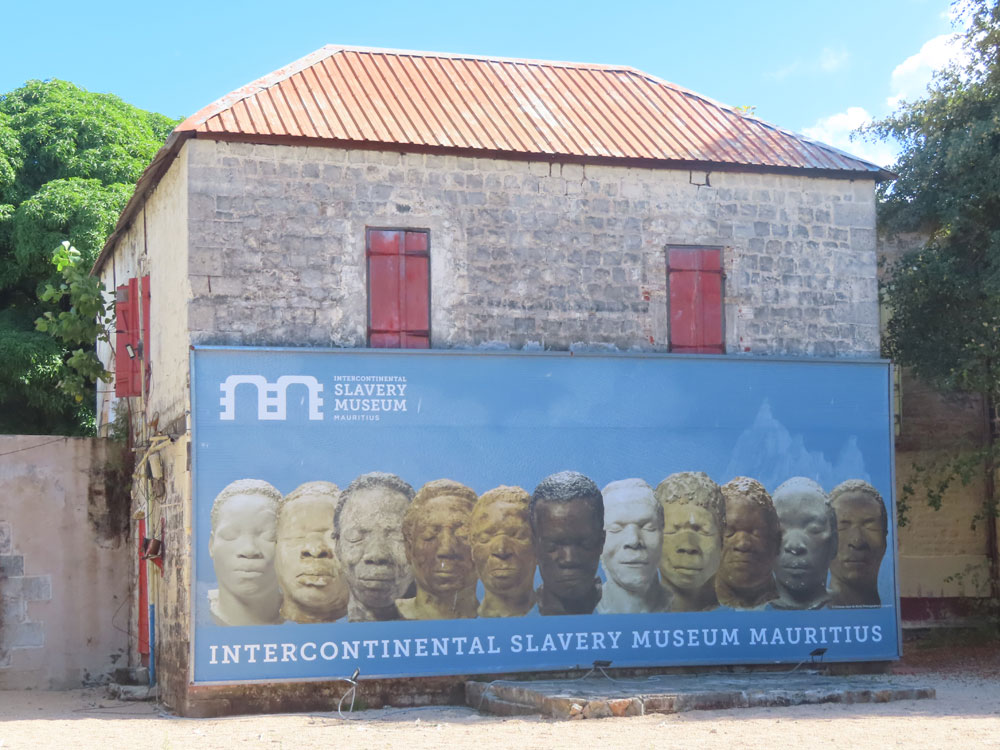
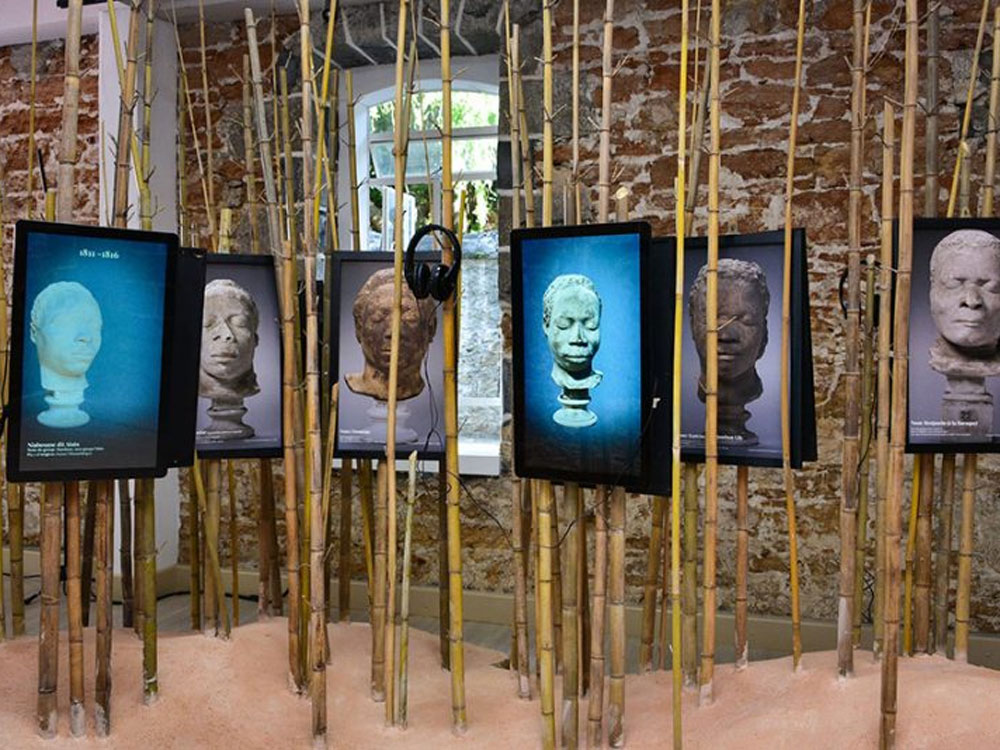
We eventually found the slavery museum but we were disappointed in this as it was all in French and difficult to understand completely. It seemed an unlikely recipient of a world heritage site listing. While the hospital isn't its own World Heritage site, it sits directly inside the protected Aapravasi Ghat World Heritage Site buffer zone and forms an integral part of that broader historical complex. The Intercontinental Slavery Museum is housed in the former military hospital, the island's oldest building. In 1890, the building was sold to the Arabian Dock Company, which used it as a cold storage facility, offices, and warehouses. Between 1977 and 2007, it served as the headquarters of the DWC (Development Works Corporation). Finally, its heritage value was recognized in 1999, when the military hospital was designated a national monument—a recognition reaffirmed in 2003. It eventually opened as the slave museum in 2023
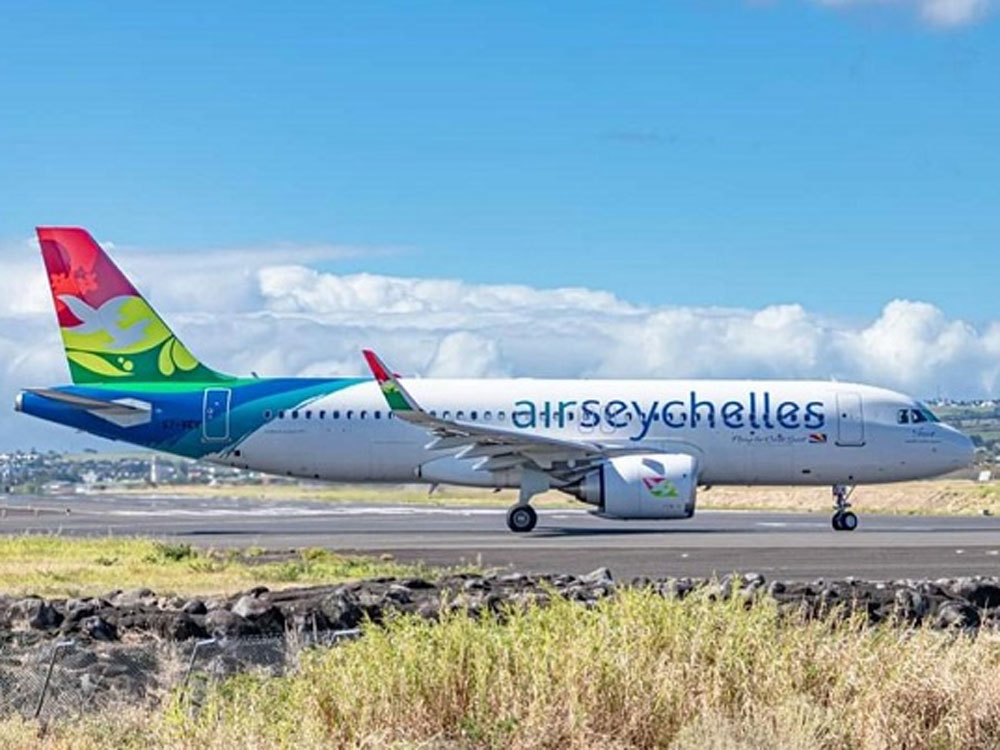
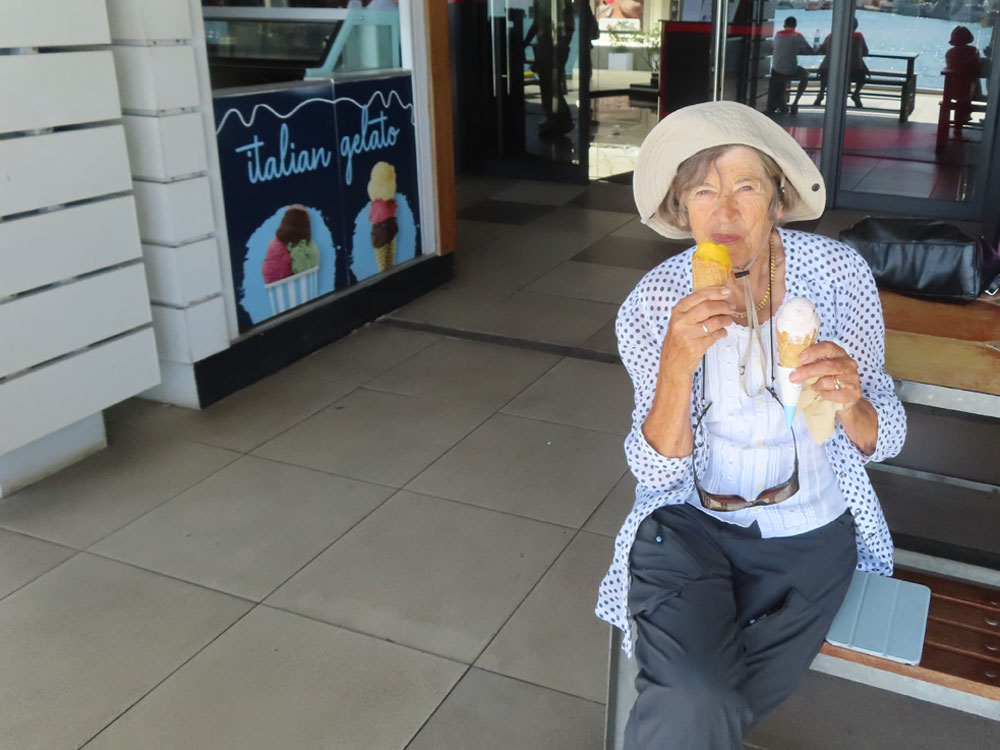
We then walked back to the hotel enjoying a mango and a yogurt ice cream en route, and sat by the river front in comfy hotel chairs until 1.20 when it was time to muster. Then an hours journey to the airport with a few traffic jams in the first couple of miles. We got to the airport at 2:30 and checked our bags in. Then David and I were whisked through passport control and security due to age which was rather fun. Then an hours wait for the plane which was due off at 5 pm. We had a seemingly nice meal aboard but later on David suffered from an upset stomach and sickness so maybe not quite
To get a larger photo, click on a thumbprint below
 |
 |
 |
 |
 |
 |
 |
 |