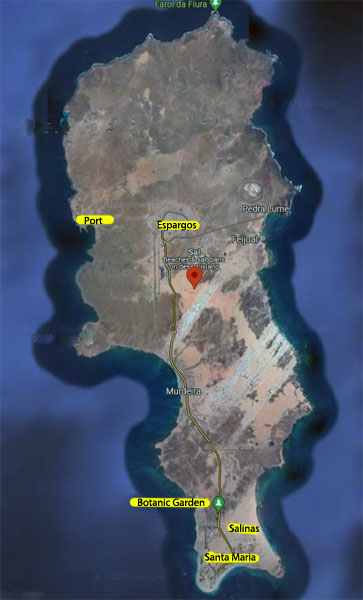
Sal was part of the rescheduling that was necessary when the ship could not dock at Dakar. We visited twice. It was like seeing to completely different islands
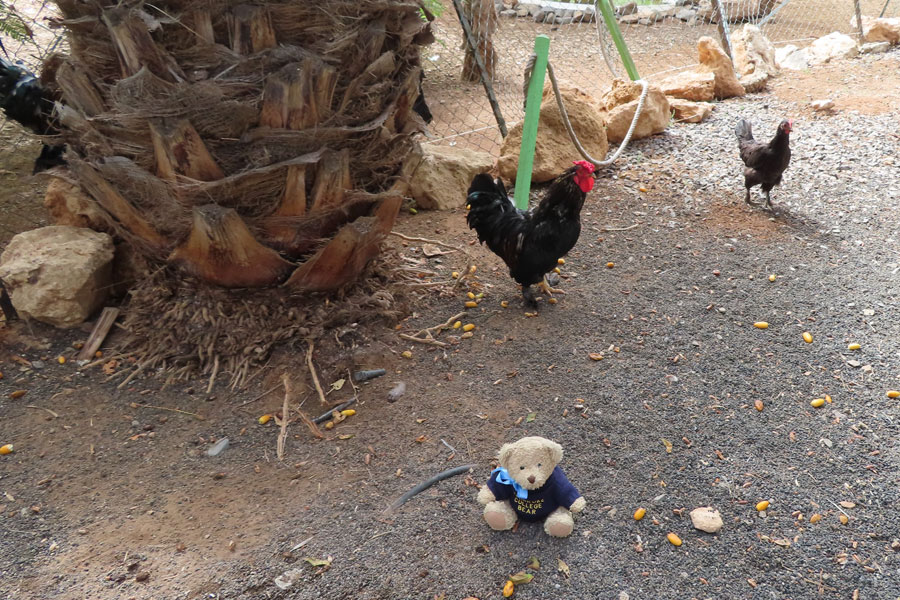
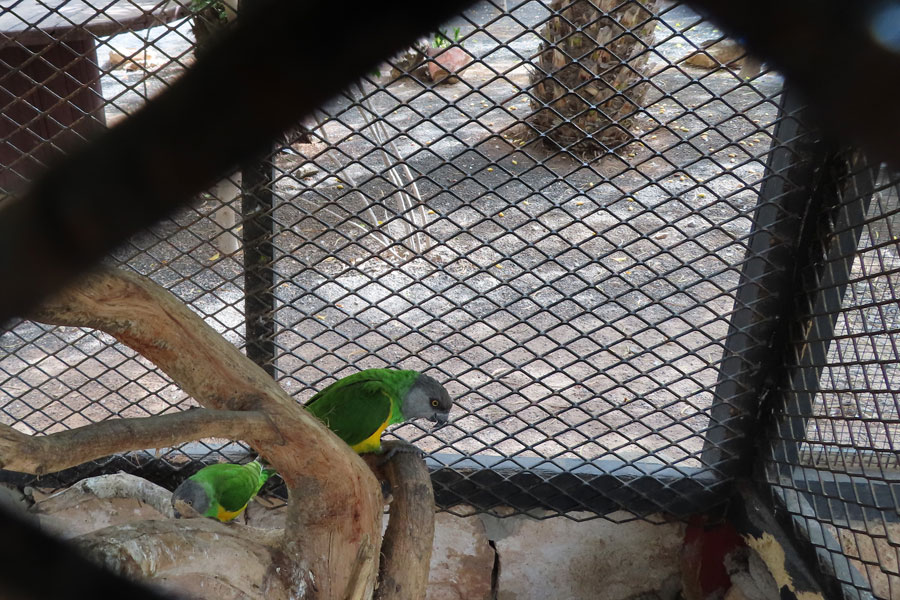
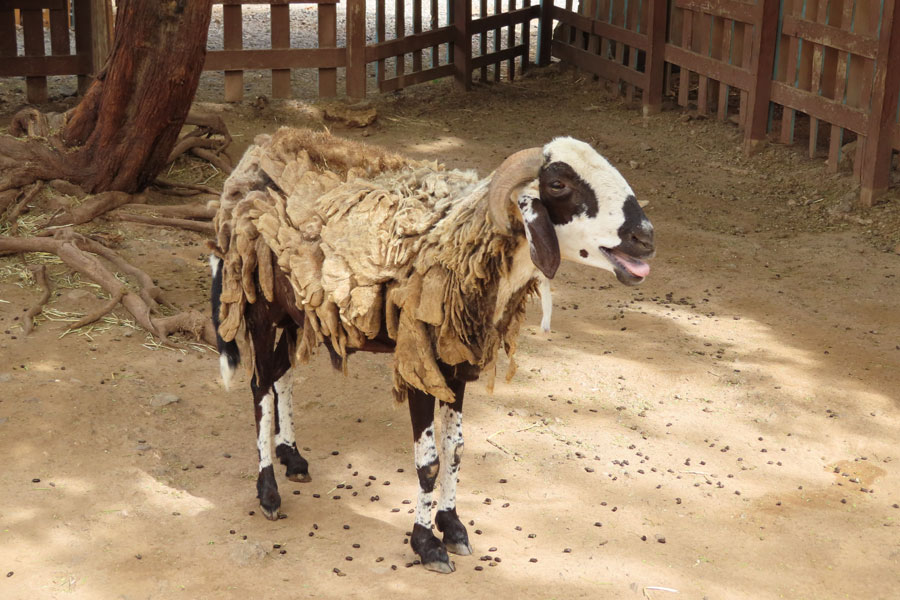
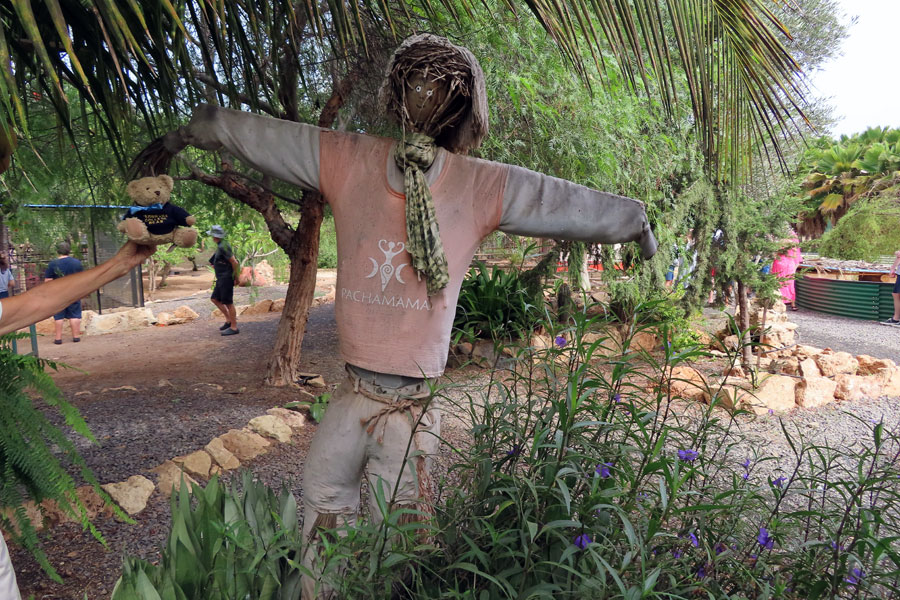
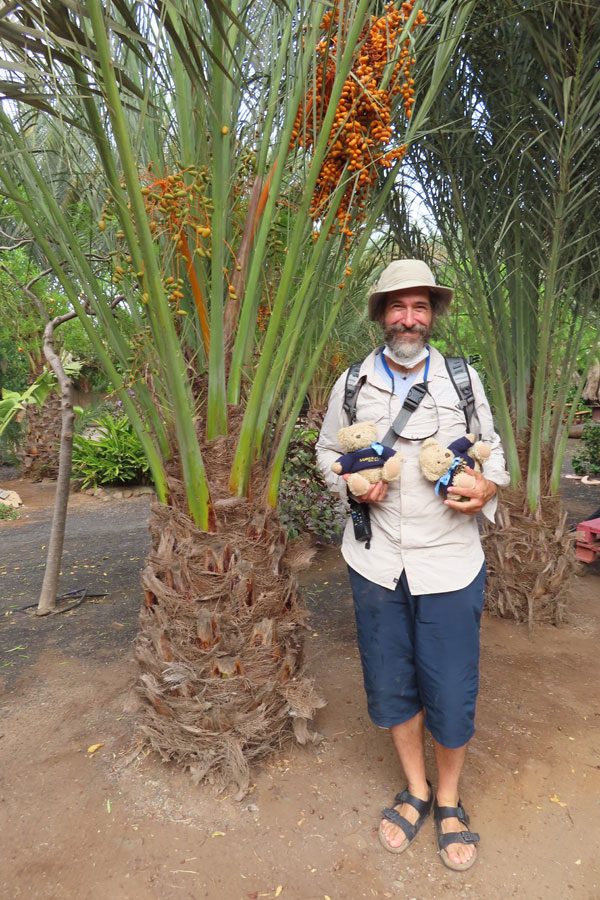
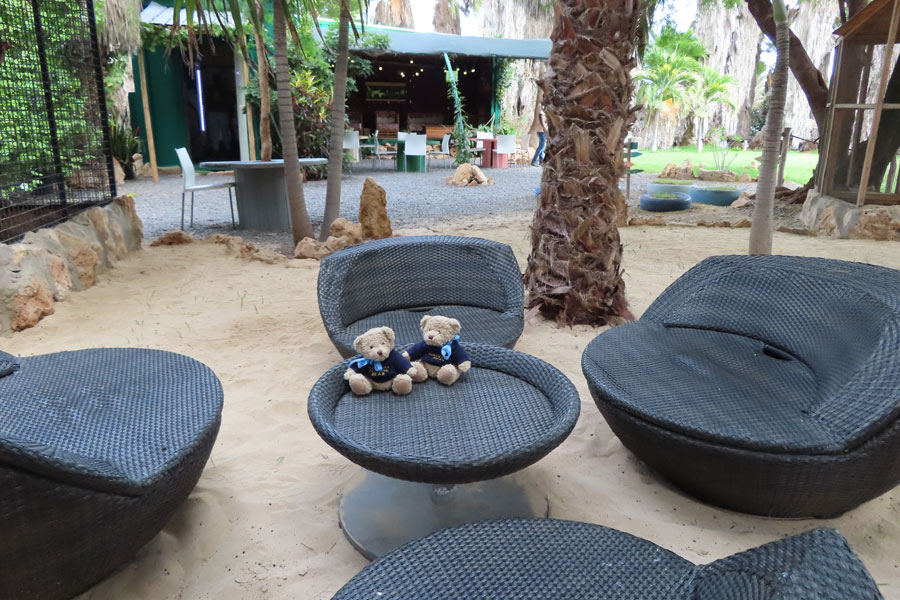
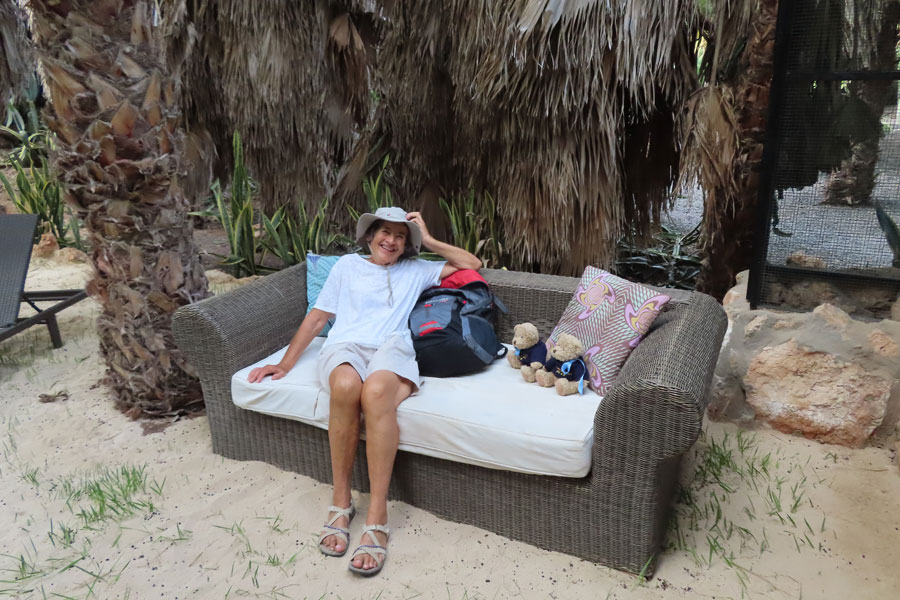
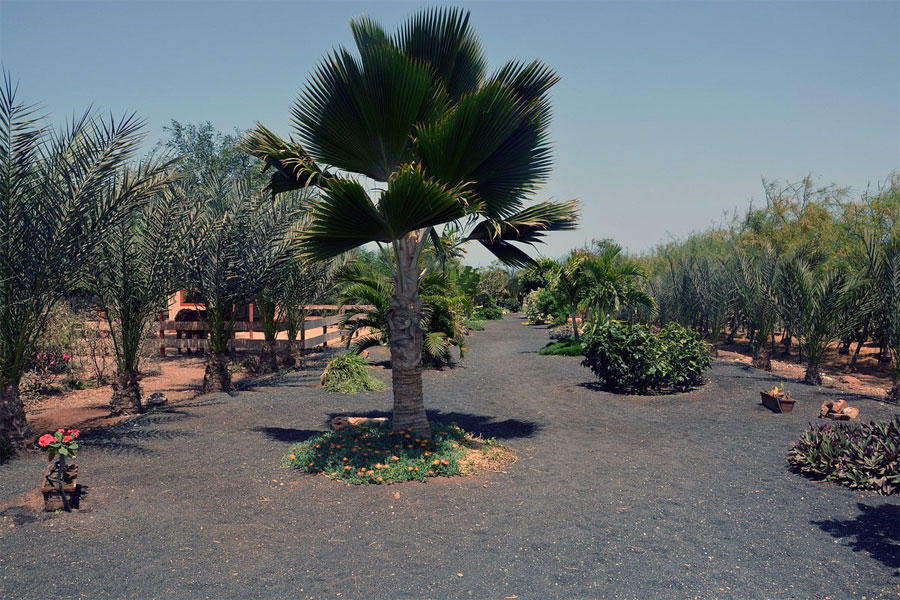
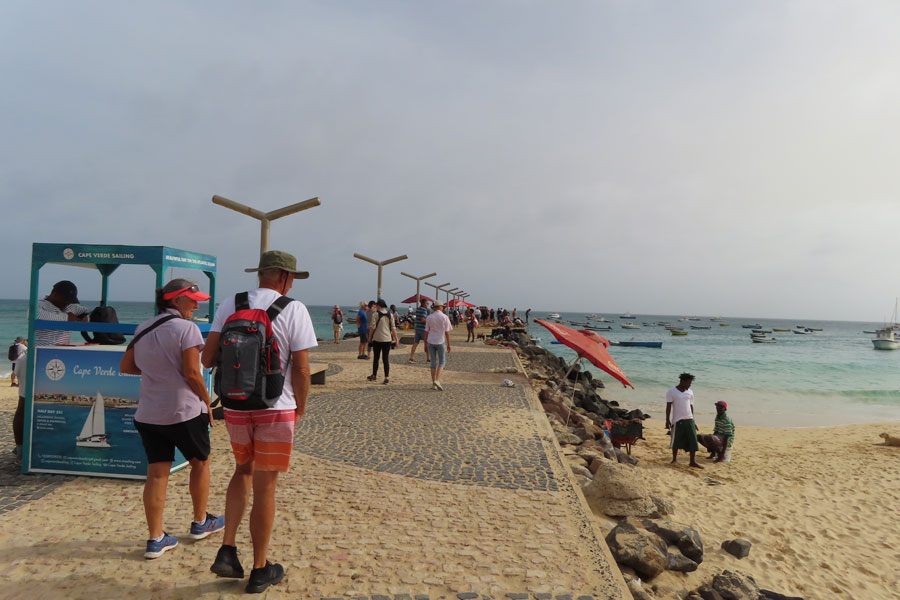
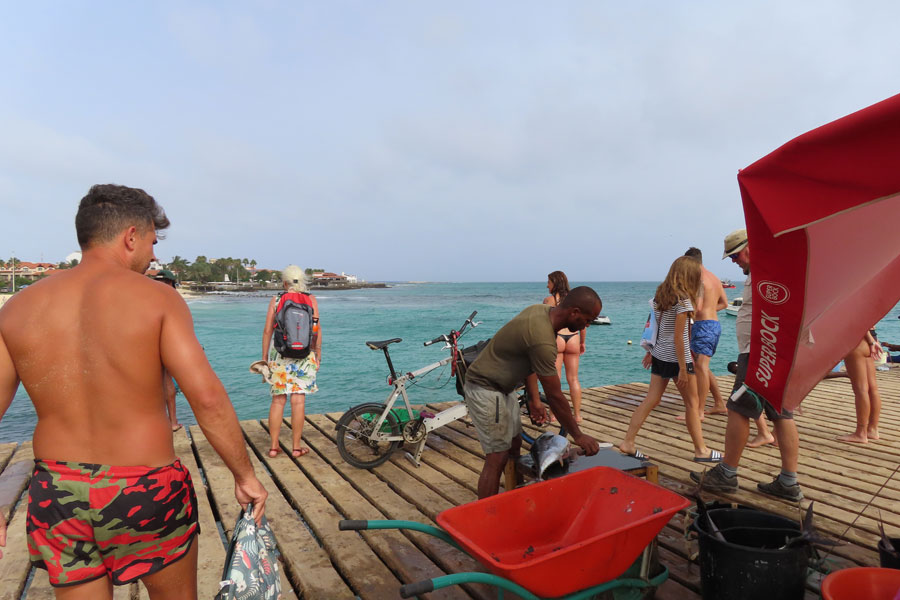
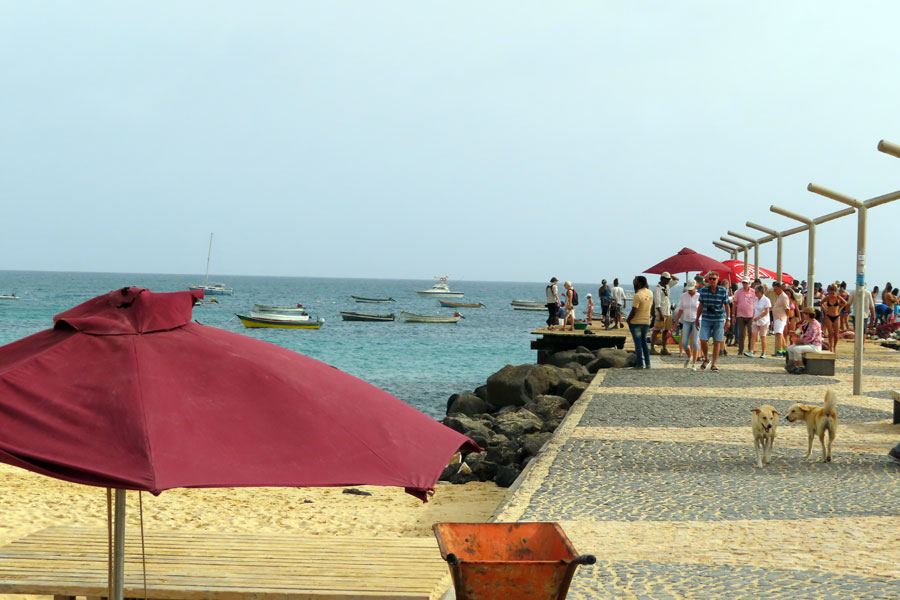
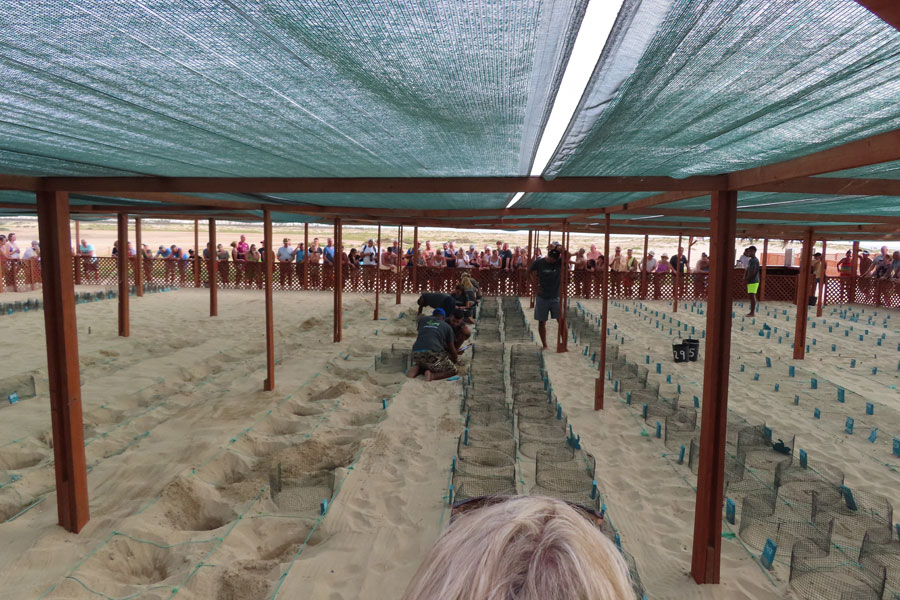
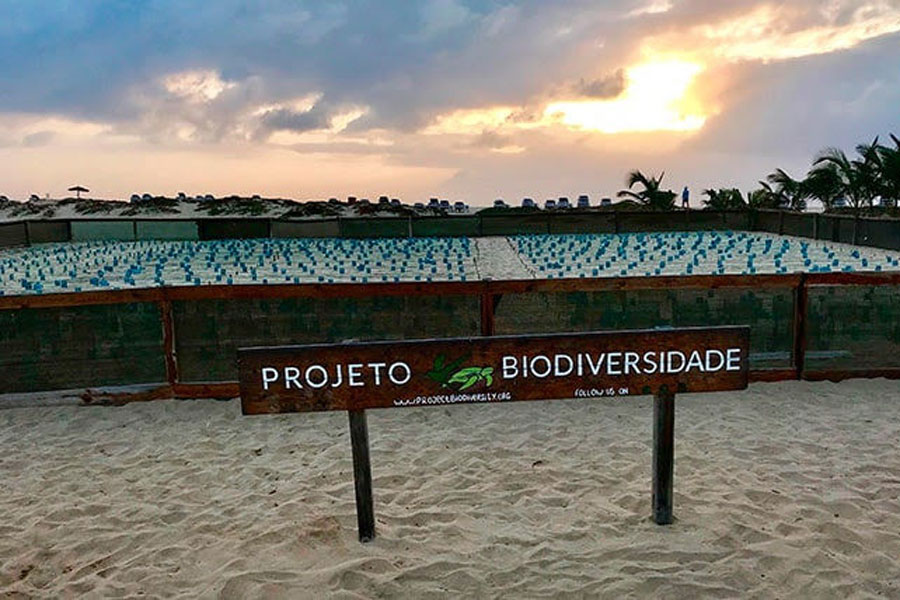
The first time we visited |" the Botanic Gardens, Project Biodiversity and Santa Maria ". This was awful, the gardens being more a tatty zoo; Santa Maria, apart from its jetty, rivaled Benidorm, and the baby turtle project was a tourist tourist trap. To be fair on the next visit the same tour (which we did not take) was altered to avoid the turtle project, but they still went to the tatty zoo.
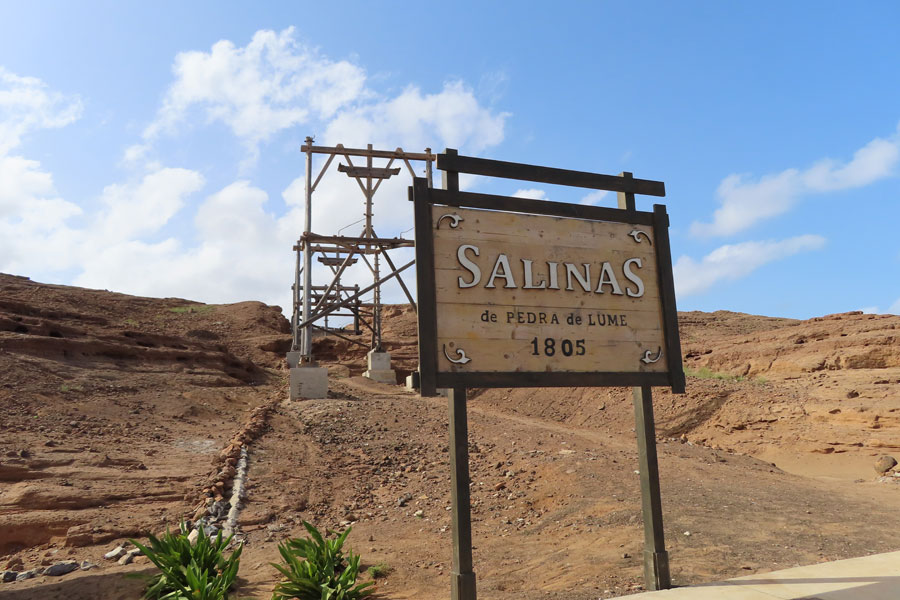
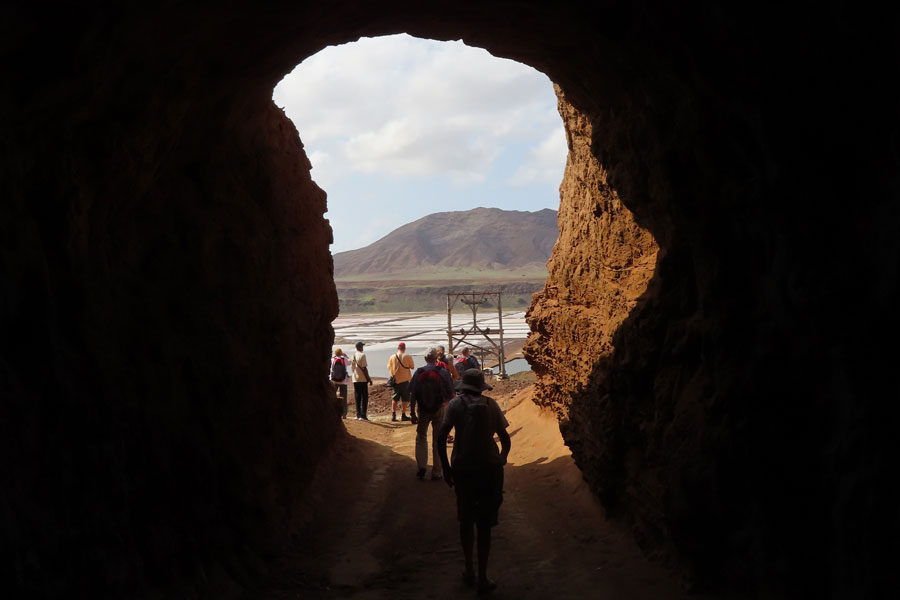
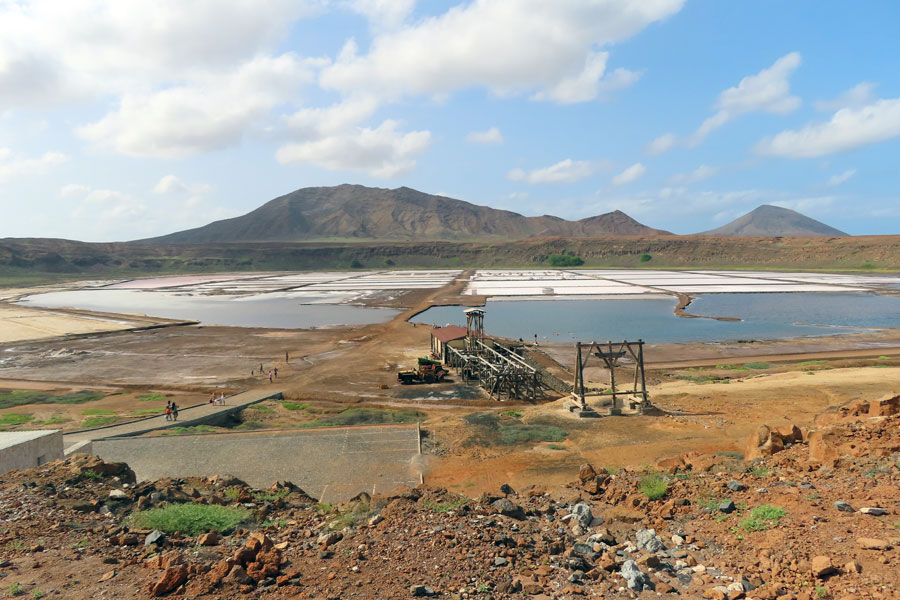
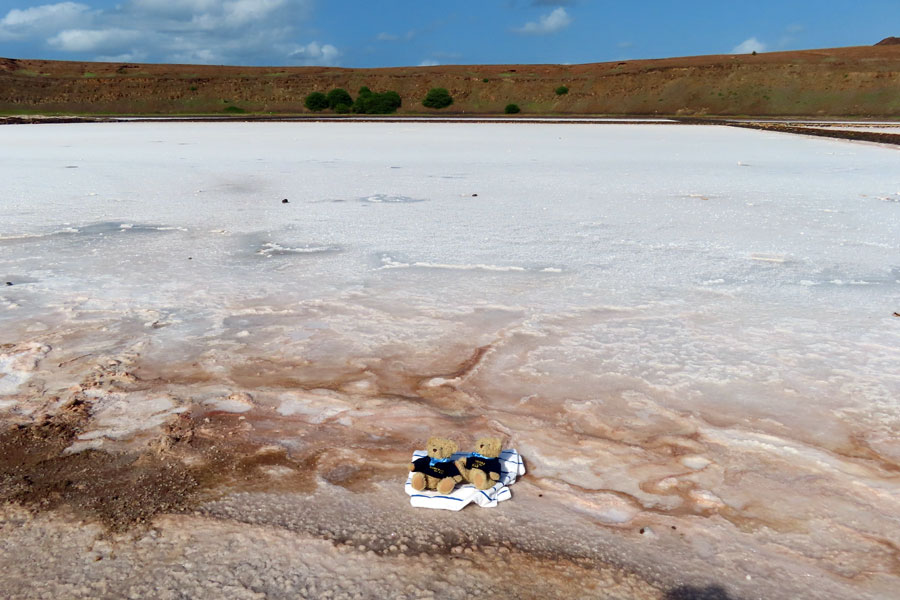
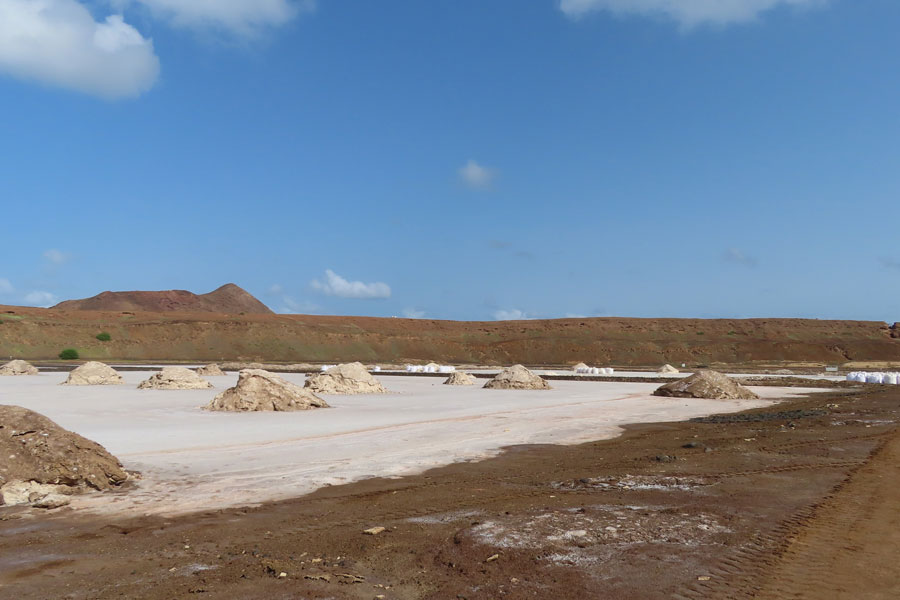
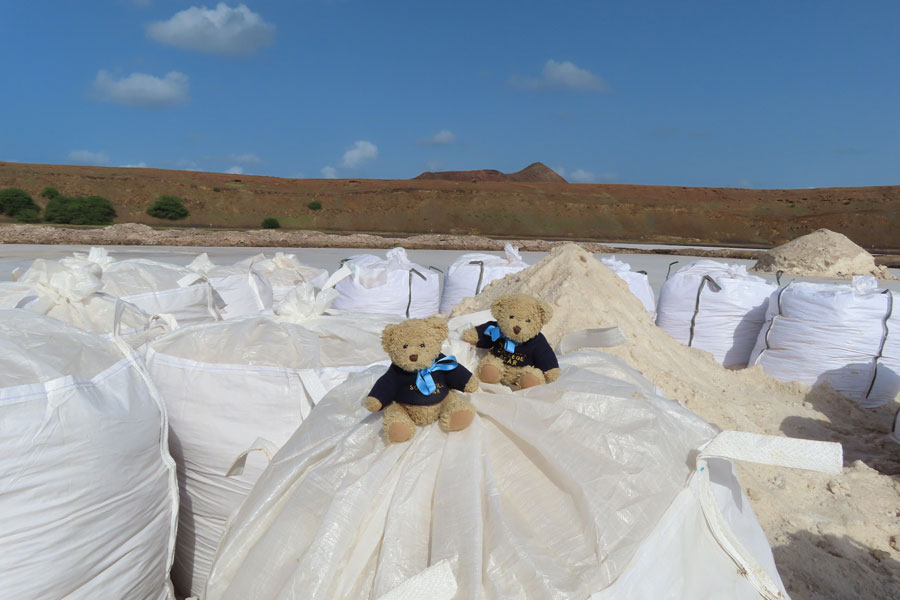
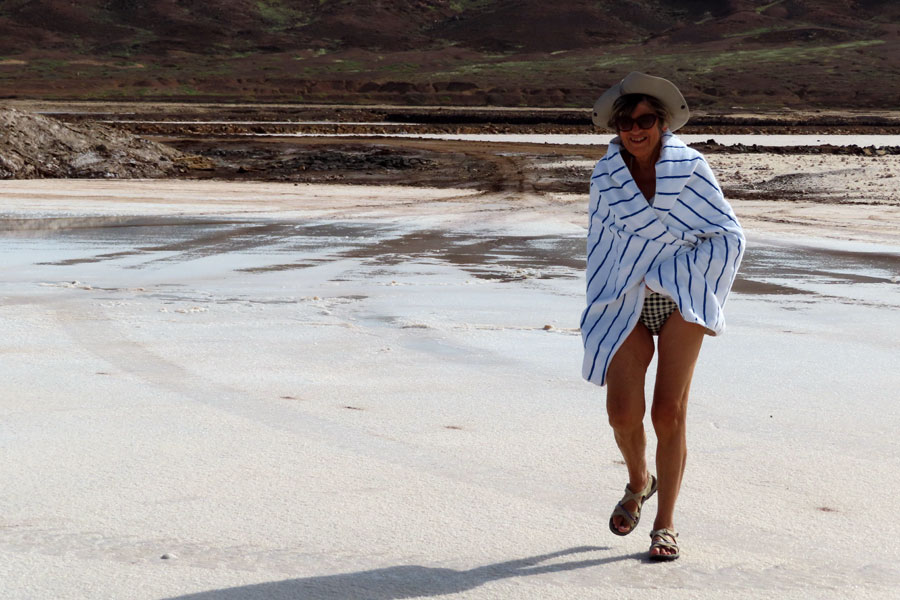
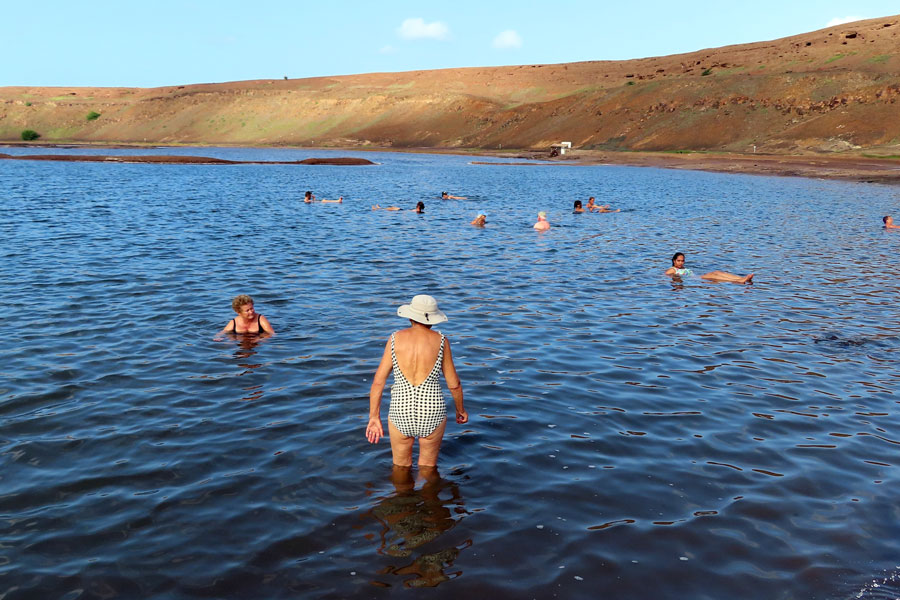
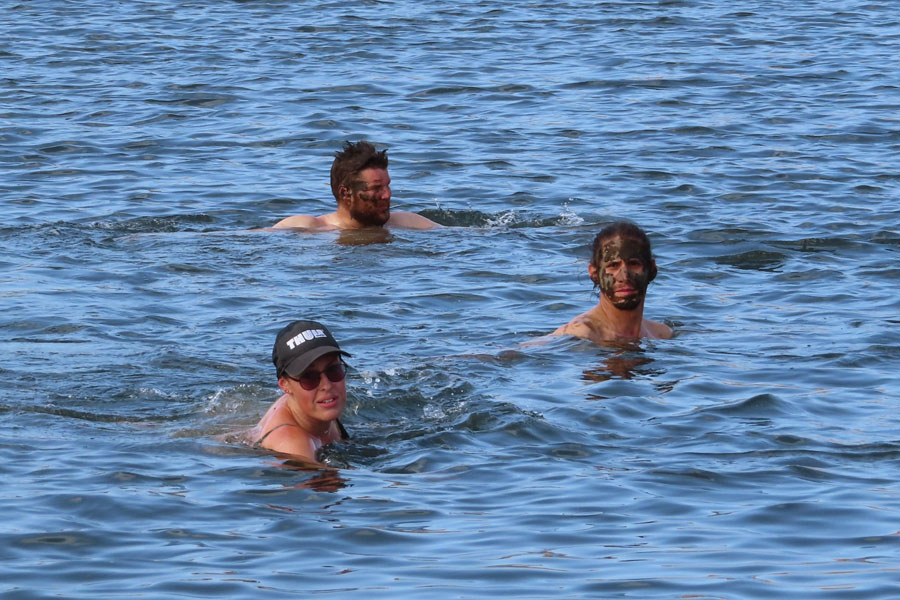
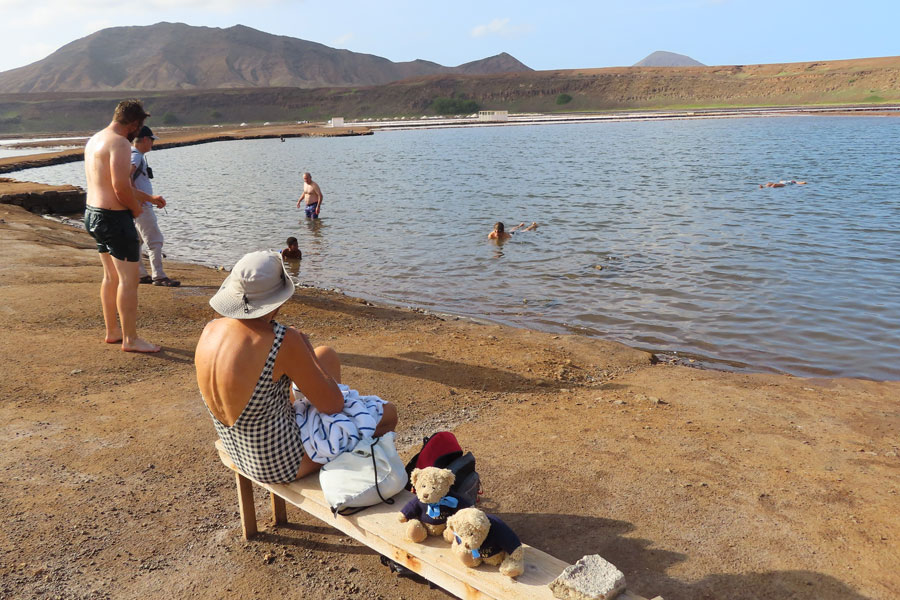
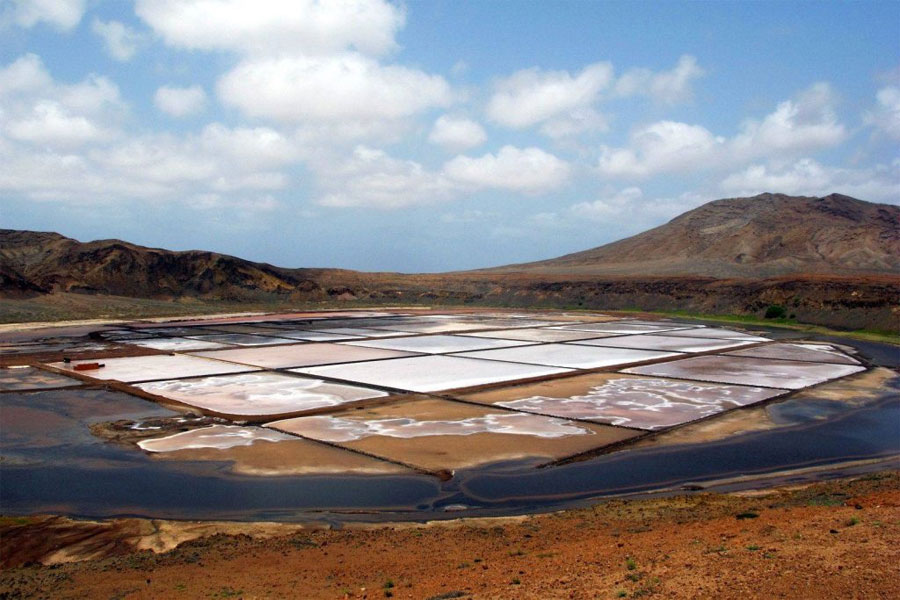
The second time we saw the Salt pans with the coach stopping for 30 minutes en route at Espargos, the main town on the island. The salt pans were really impressive. We entered through a tunnel cut in the rock, and went down to the pans. I was not convinced that they were still being worked, but they certainly gave the impression that they were still in use. Anyway we saw how they used to collect sale, and the old cable car to left the salt out, was still there. Chris went for a swim in the very briney water - same sort of salinity as the Deas Sea
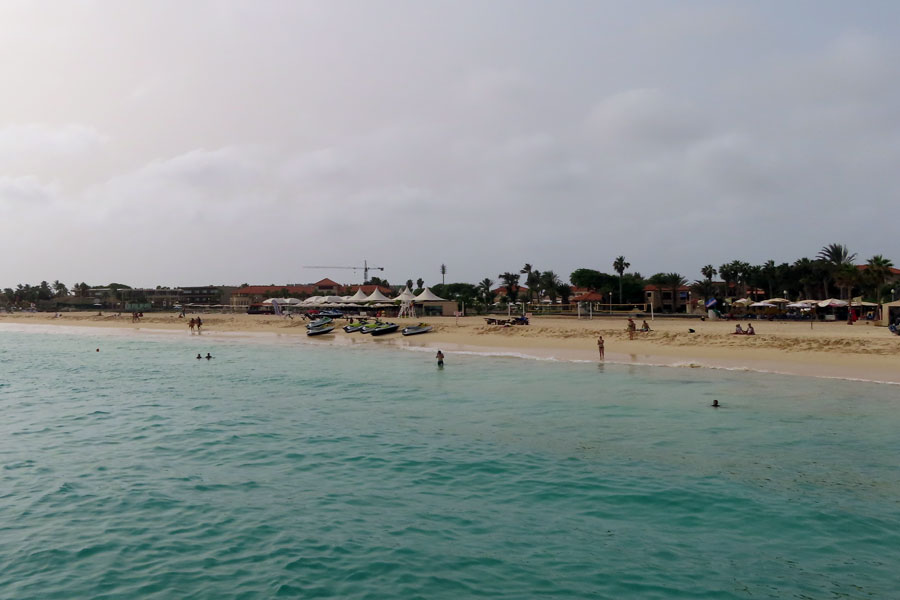
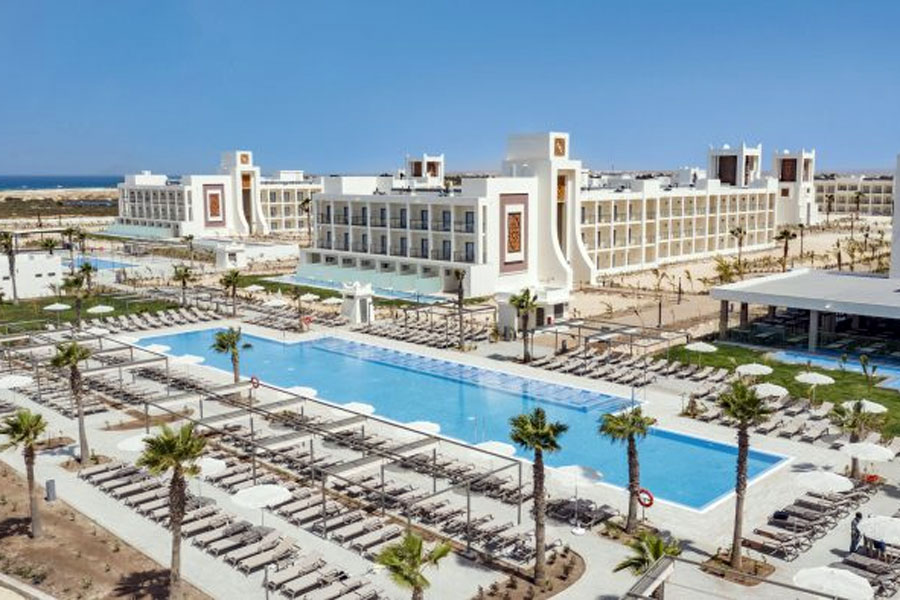
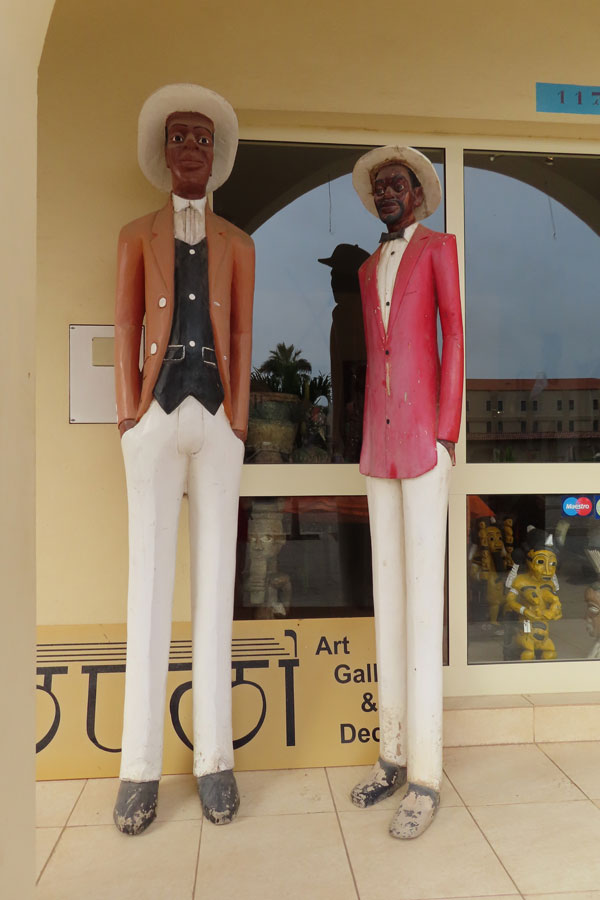
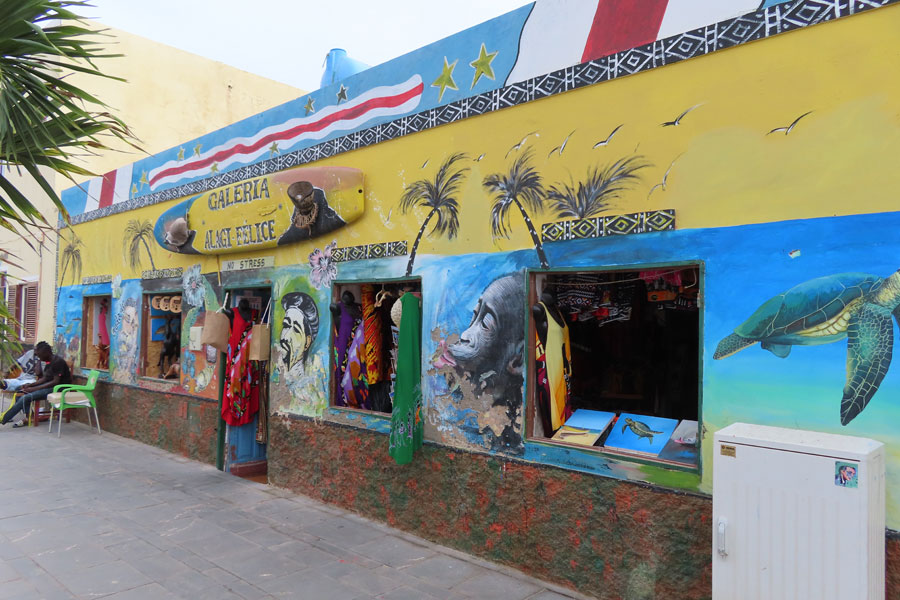
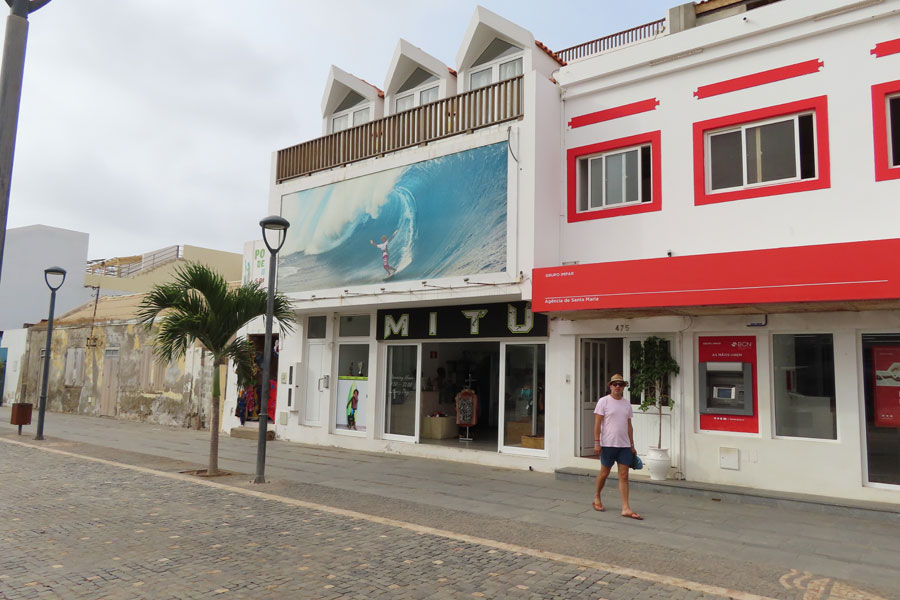
Santa Maria on our first visit. Tourism has replaced salt and fishing as the main earners on the island. And the tourism is mass tourism, largely run by TUI. There are literally thousands of hotel rooms in Santa Maria, with the RUI part of Tui alone having over 1000 - middle of the market and all inclusive.
Not my kind of place
Click on any thumbnail photo and get a larger photo
 |
 |
 |
 |
 |
 |
 |
 |
 |
 |
 |
 |
 |
 |
 |
 |
 |
 |
 |
 |
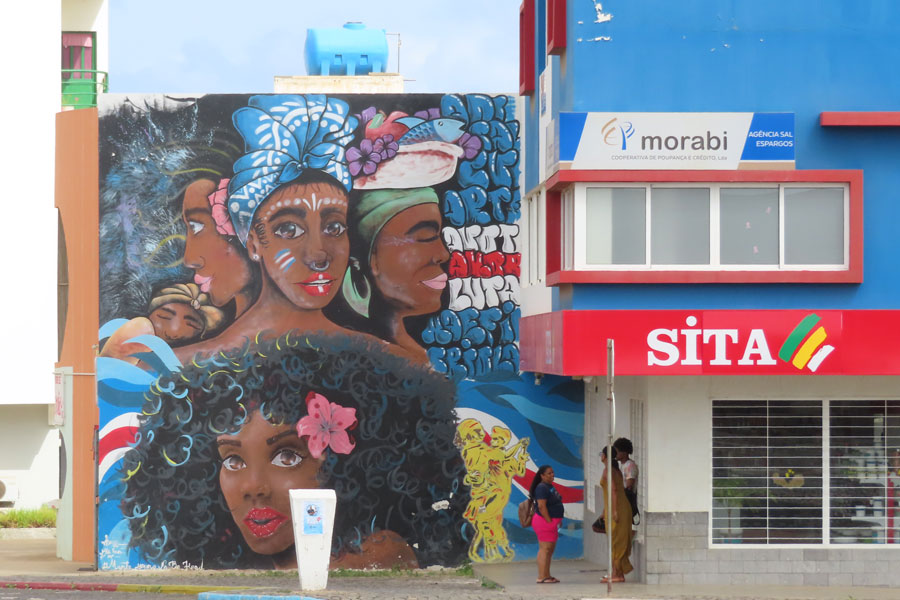
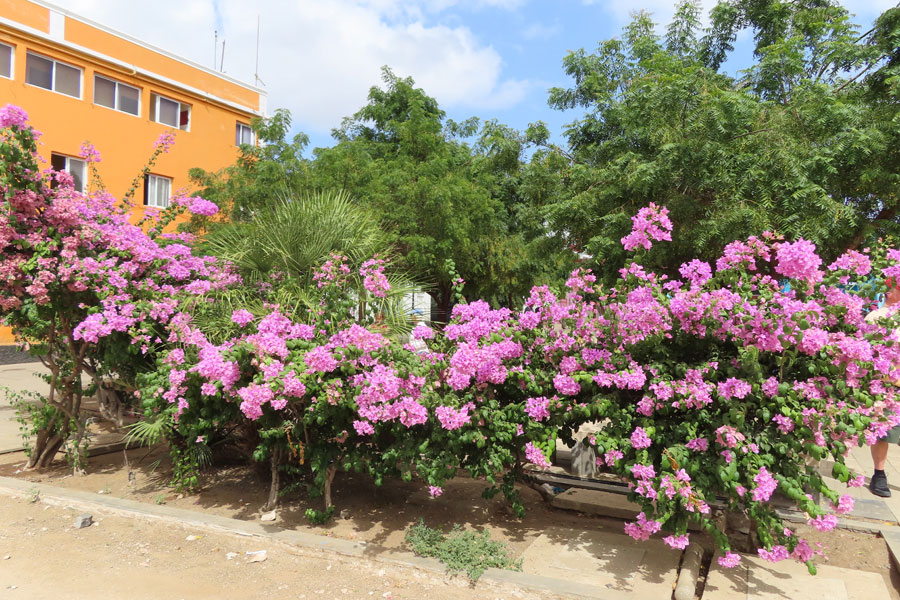
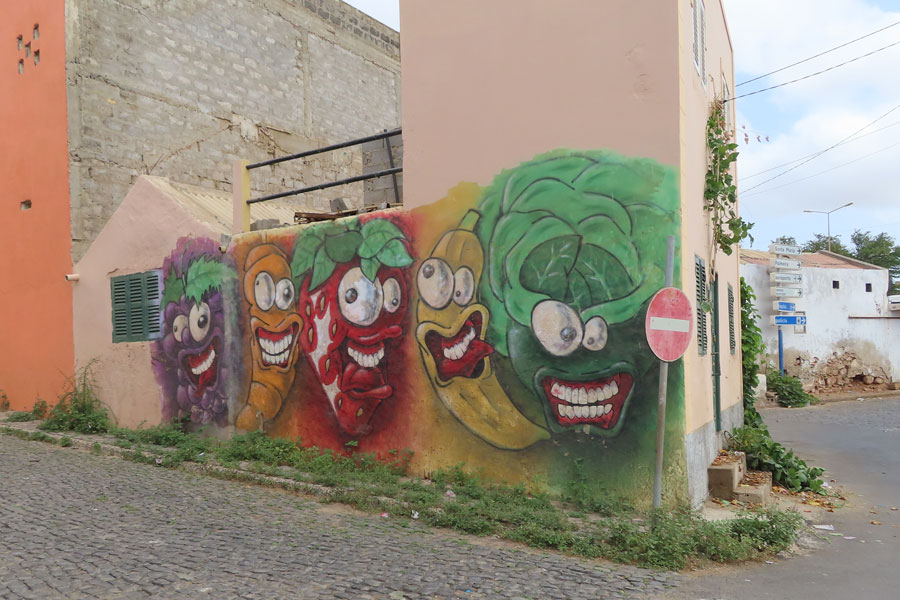
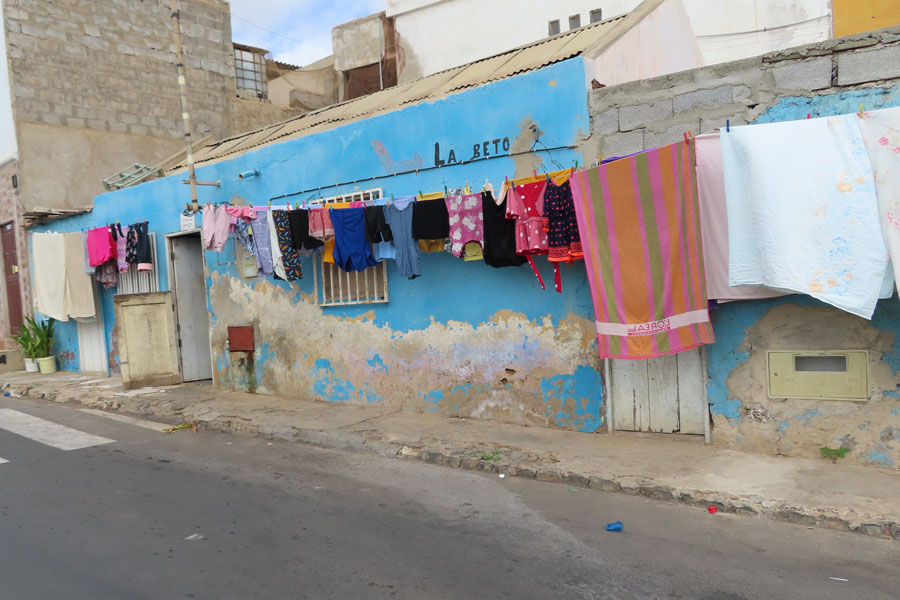
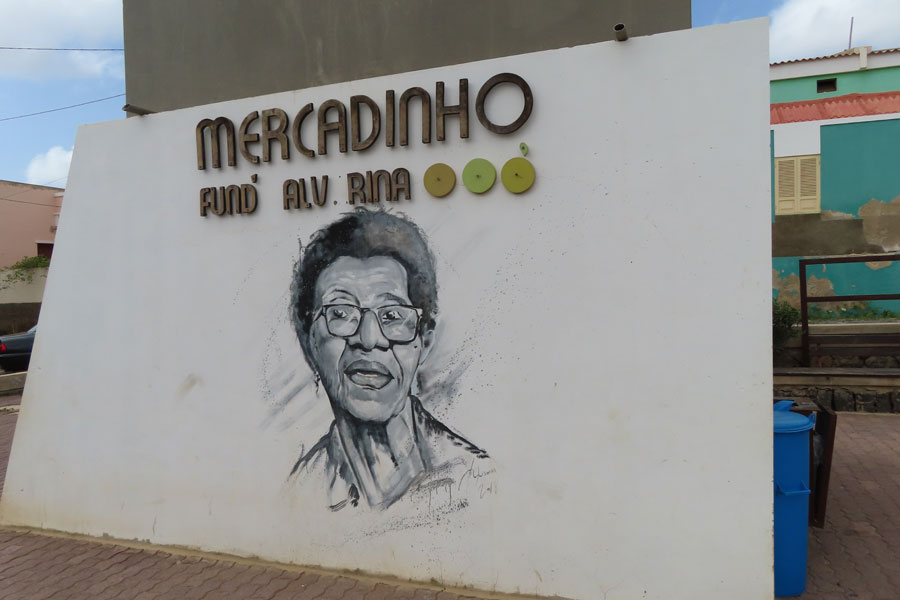
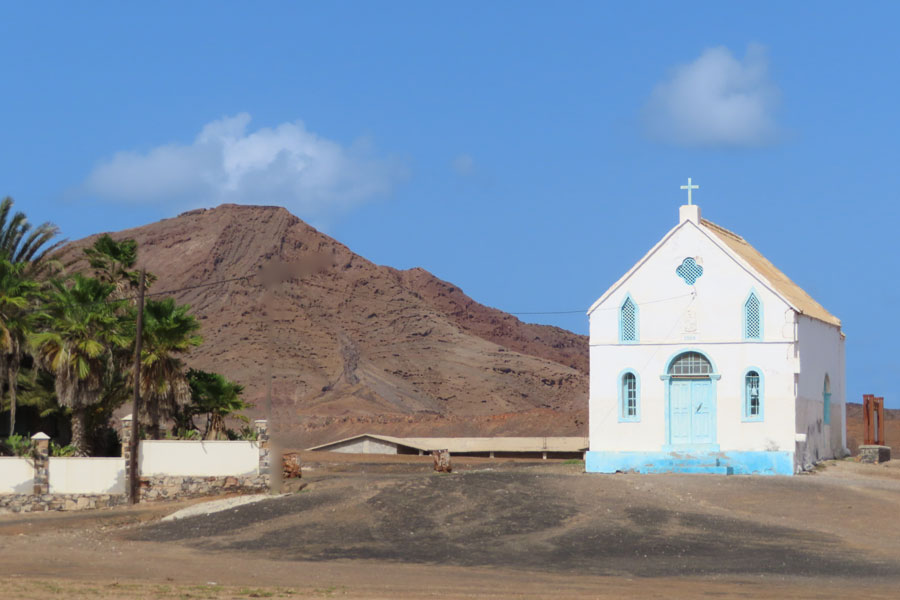
On our second visit to Sal, it was a much better experience at the salt pans. We first had a brief stop in Espargos.
The salt ponds of Santa Maria are a complex of salt evaporation ponds in the southernmost part of the island of Sal. The salt ponds are a protected area as a protected landscape, covering 69 hectares. Piles of salt on an evaporation pond north of town Santa Maria was founded in 1830 for the production of salt. Up to 30,000 tons of salt were shipped from Santa Maria each year. Most of the product was exported to Brazil, which was halted in 1887 when Brazil imposed a high tax on imported salt to protect its own salt production. The town went into a deep decline, only to recover in 1920 when a Portuguese investor resumed salt production. In 1927, salt started to be exported to the Belgian Congo which remained until the nation became independent in 1961 and nationalized its salt production. Salt production started to decline and was ceased in 1984
Click on any thumbnail photo and get a larger photo
 |
 |
 |
 |
 |
 |
 |
 |
 |
 |
 |
 |
 |
 |
 |
 |
 |
 |
 |
 |