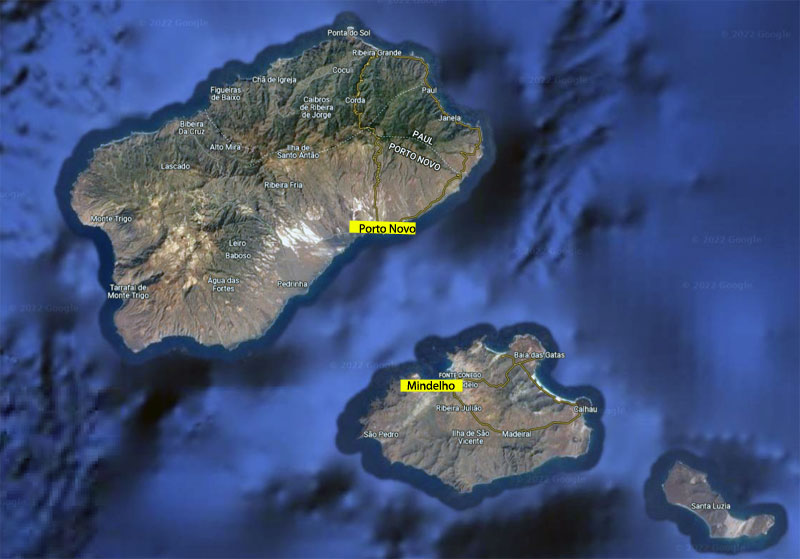
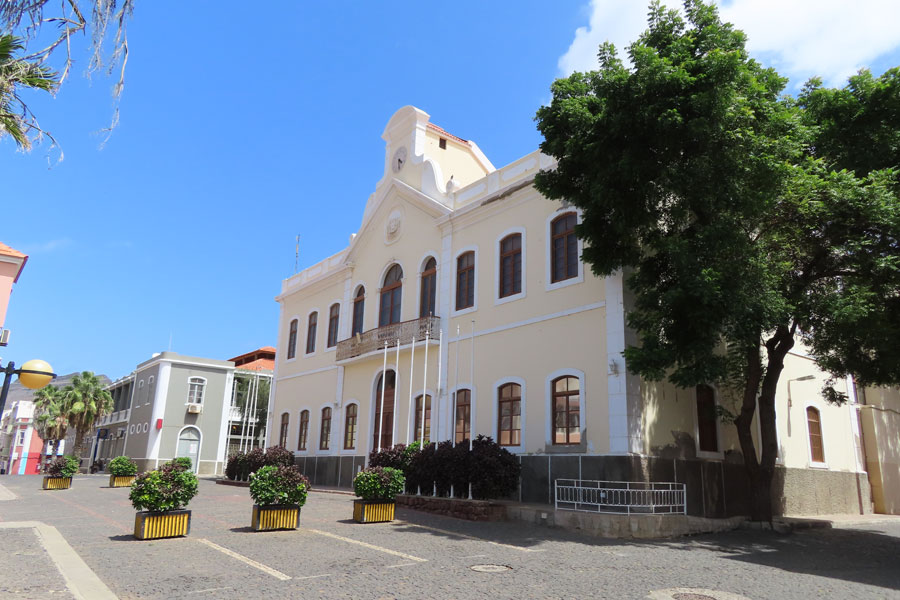
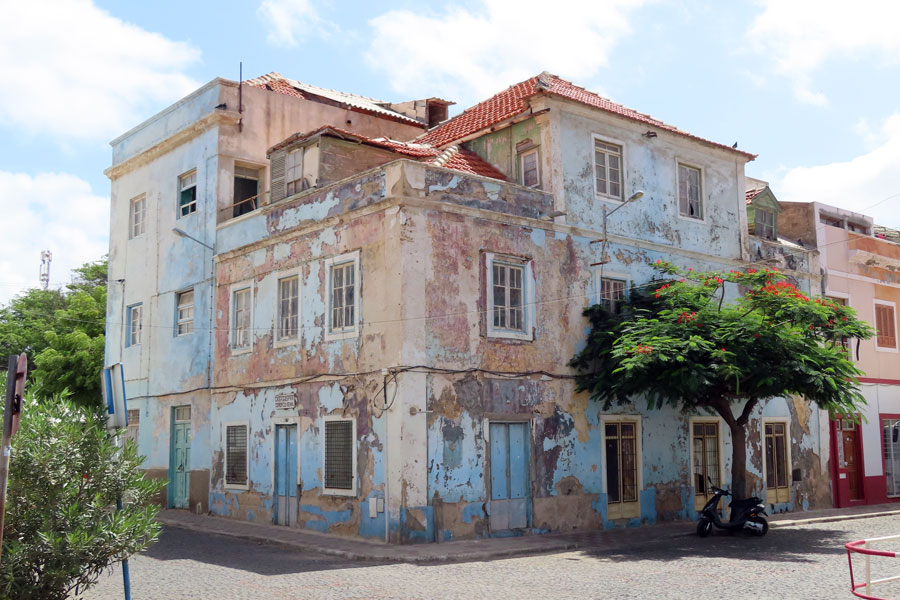
A settlement at Mindelo was founded in 1793 by the Portuguese. It became a coal deposit for ships of the British East India Company in 1838, followed by the Royal Mail Steam Packet Company in 1850. The settlement became a city (cidade) in 1879, and had 3,717 inhabitants then. In 1884 a submarine communications cable was laid between Europe, Africa, India and North America, making Mindelo an important communications centre for the British Empire. From the beginning of the 20th century the port of Mindelo lost its importance for transatlantic navigation. Causes for this were the shift from coal to oil as fuel for ships, the rise of competing ports like Dakar and the Canary Islands and the lack of investment in port infrastructure
Between 1910 and 1940 there were several strikes in Mindelo, and on 7 June 1934 there were riots in the streets of Mindelo, caused by unemployment and poverty. One man was killed; several were injured. Between 1940 and 1958 three prolonged periods of severe drought, combined with soil erosion and overgrazing, brought famine in Cape Verde. In the whole archipelago, about 45,000 people died and 20,000 people emigrated. Mindelo attracted immigrants, notably from nearby Santo Antão, and continued to grow.
Mindelo was the cultural capital of the Portuguese-speaking world from November 2002 until November 2003.
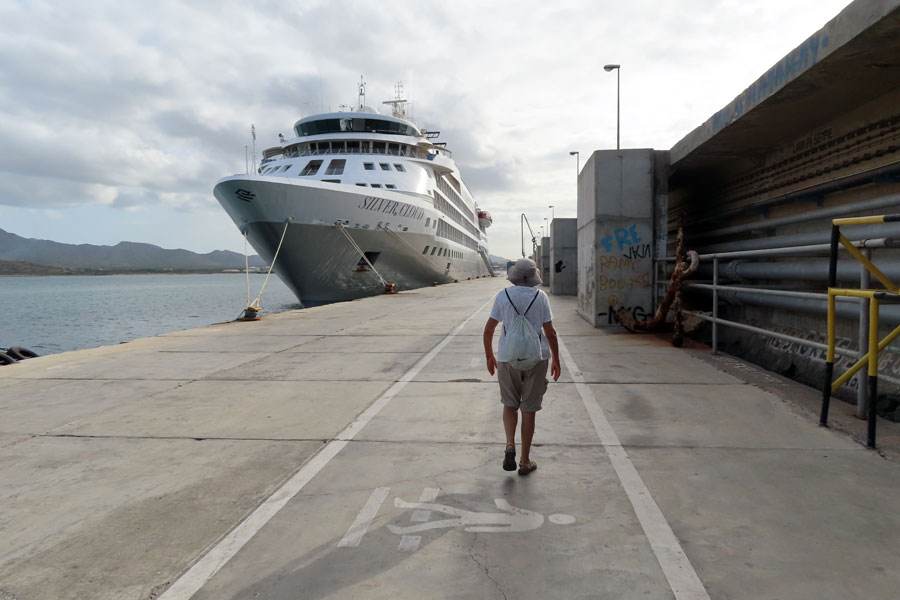
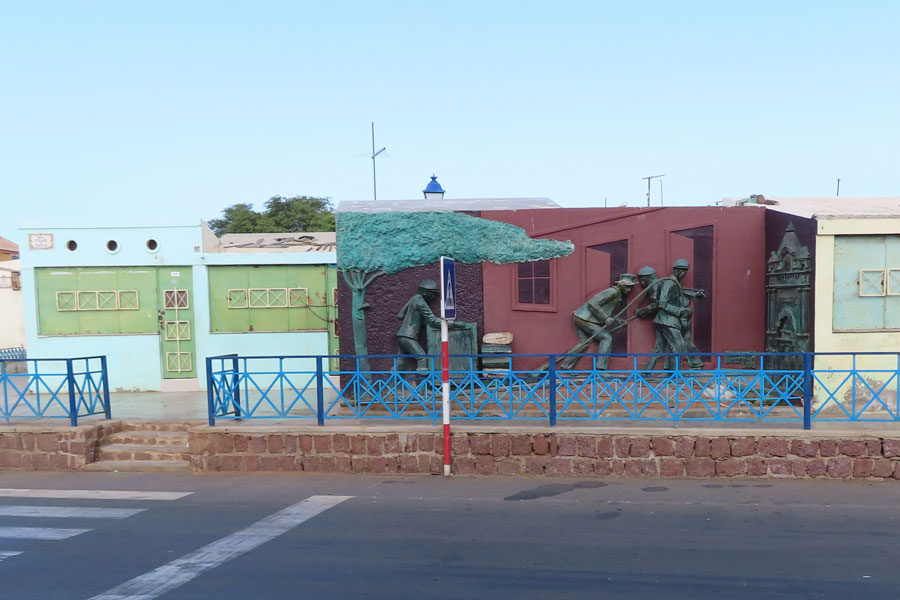
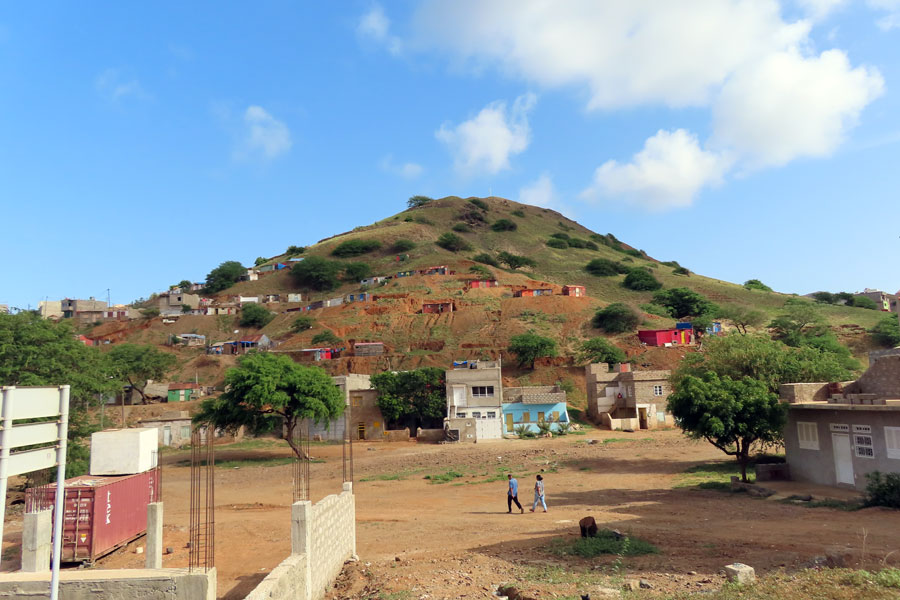
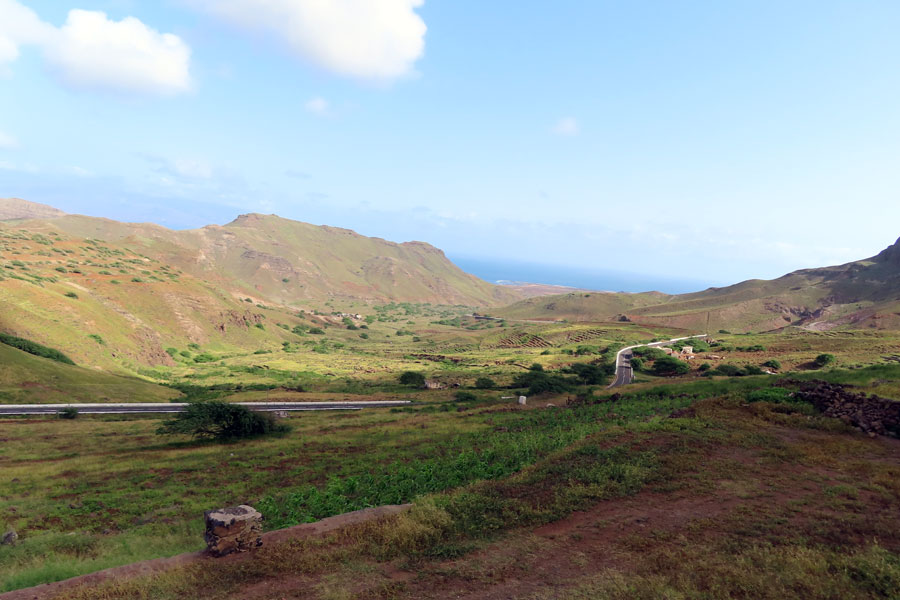
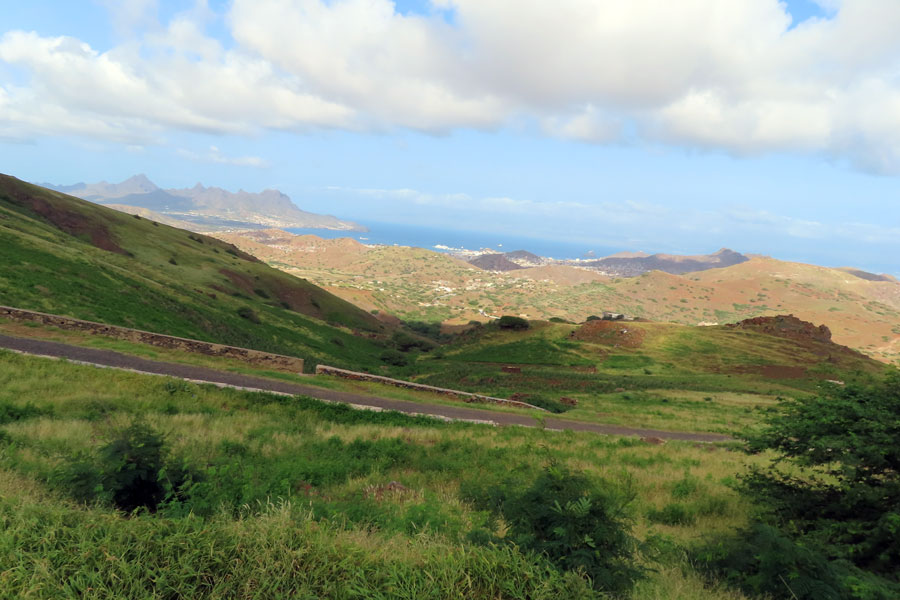
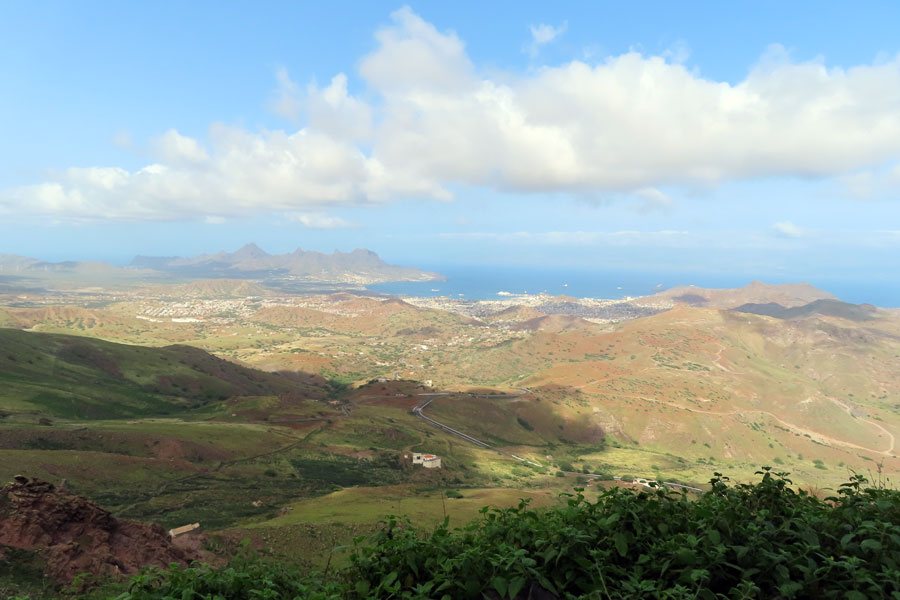
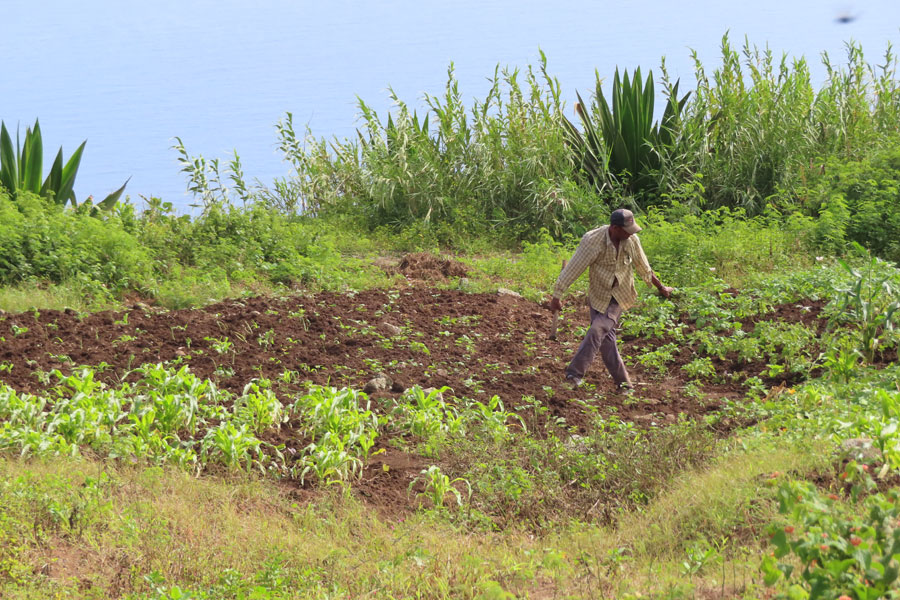
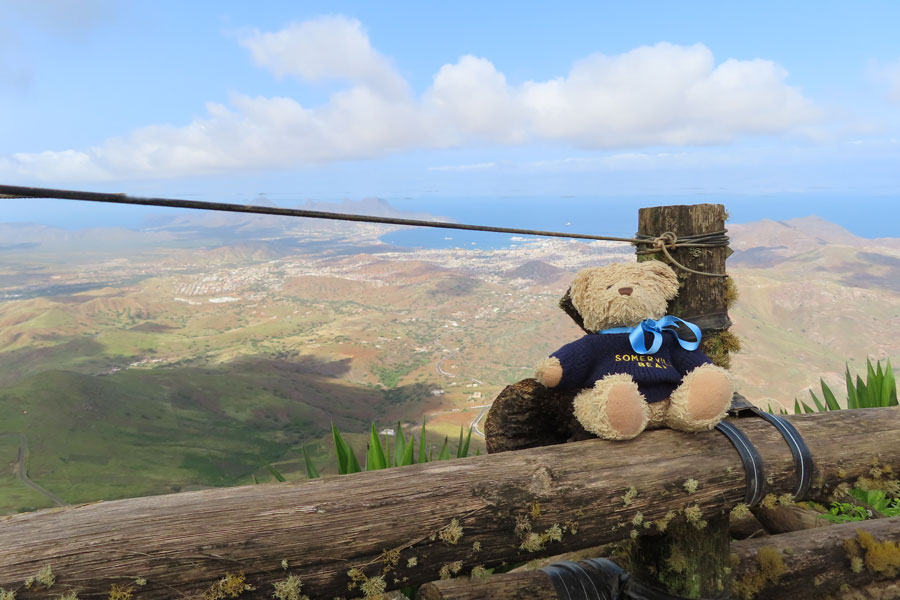
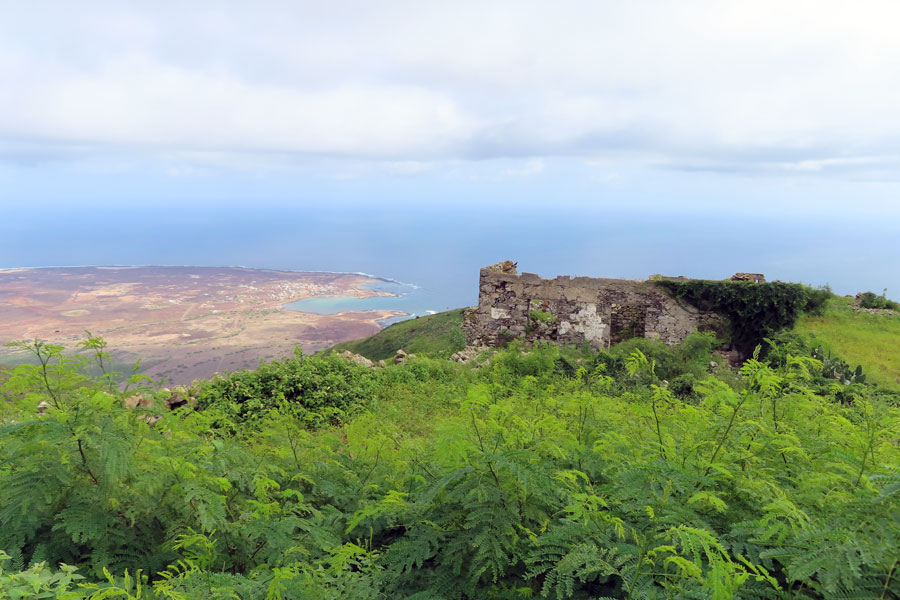
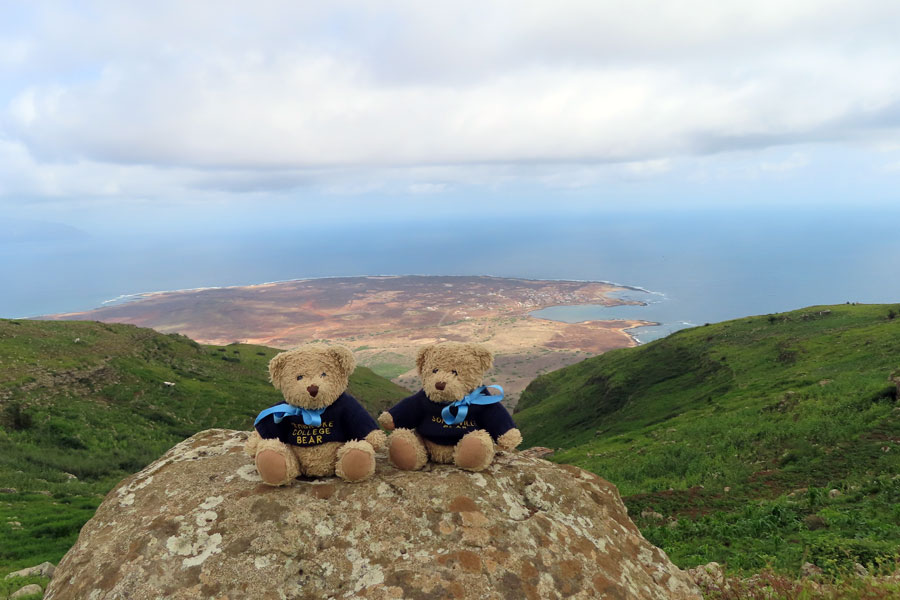
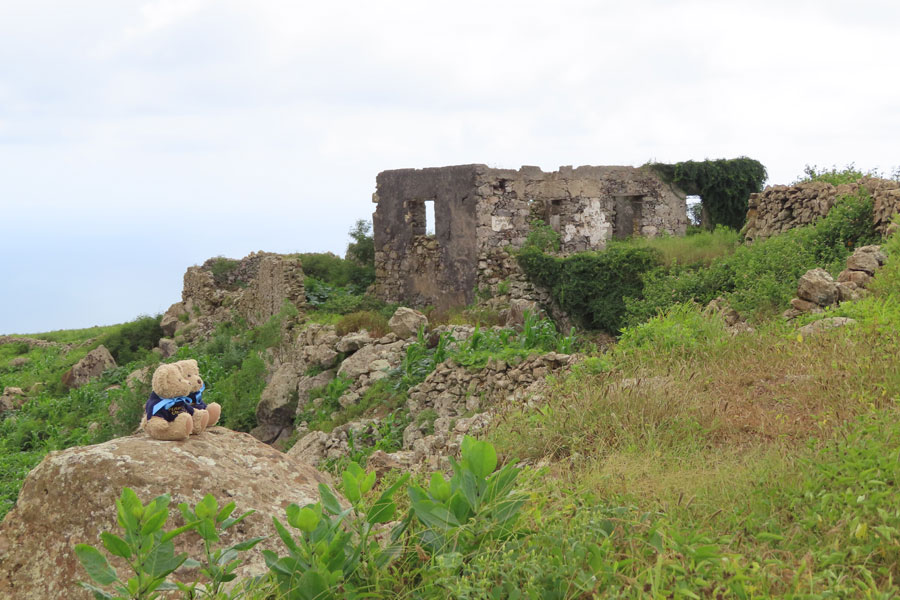
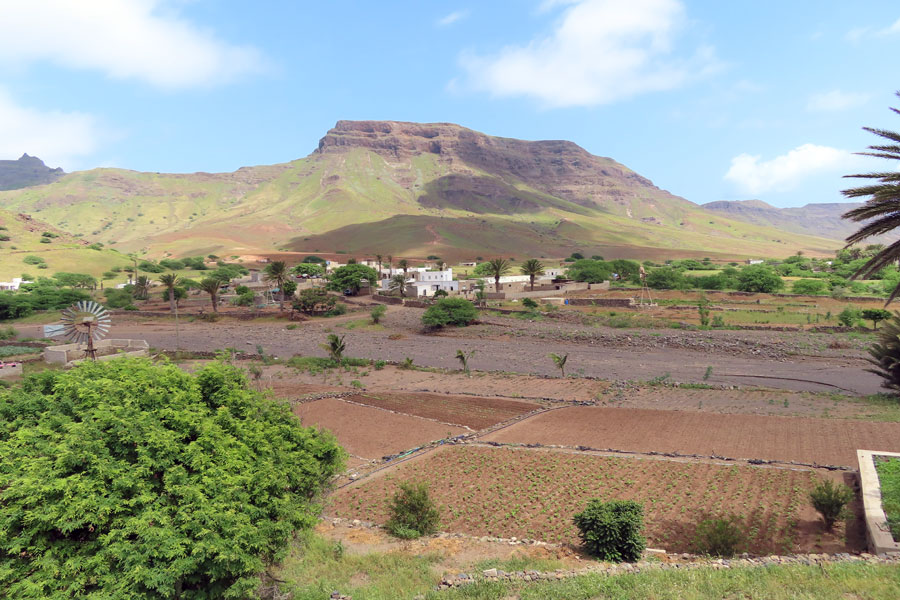
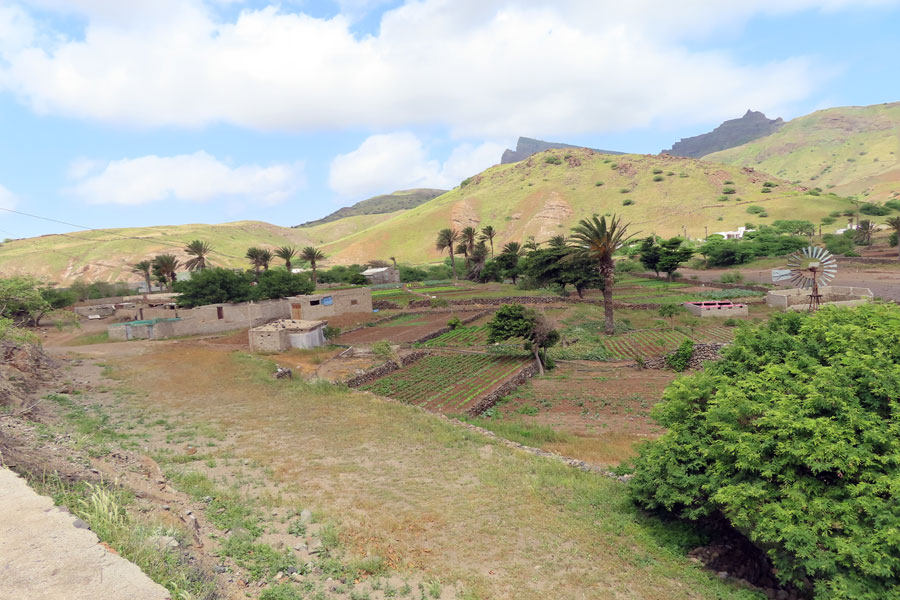
We docked and the view was very pleasant. Off on the Island Discovery tour before 9. Thoroughly enjoyed this , although we were packed into large minibuses. Went up to 800 meters where there was agriculture, due to water collected from the clouds.
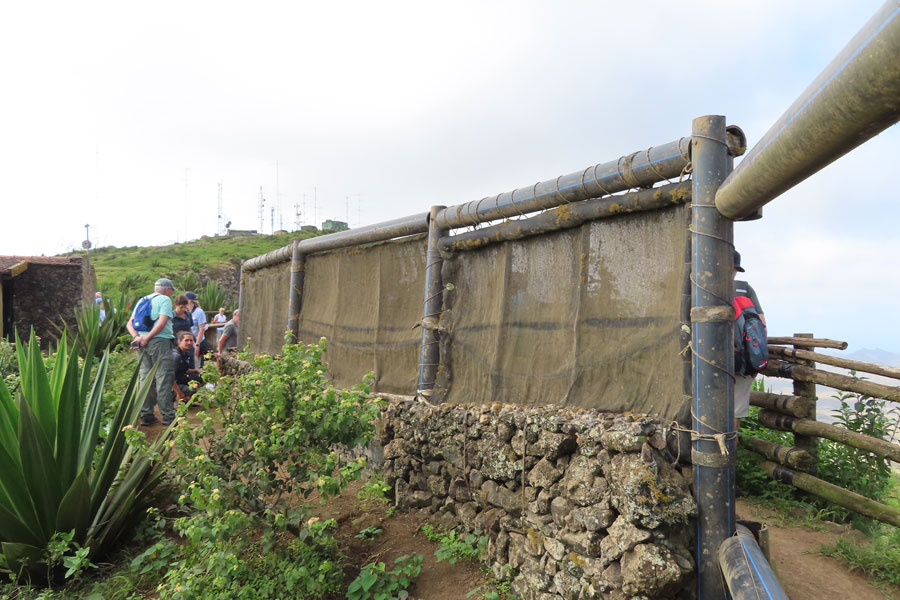
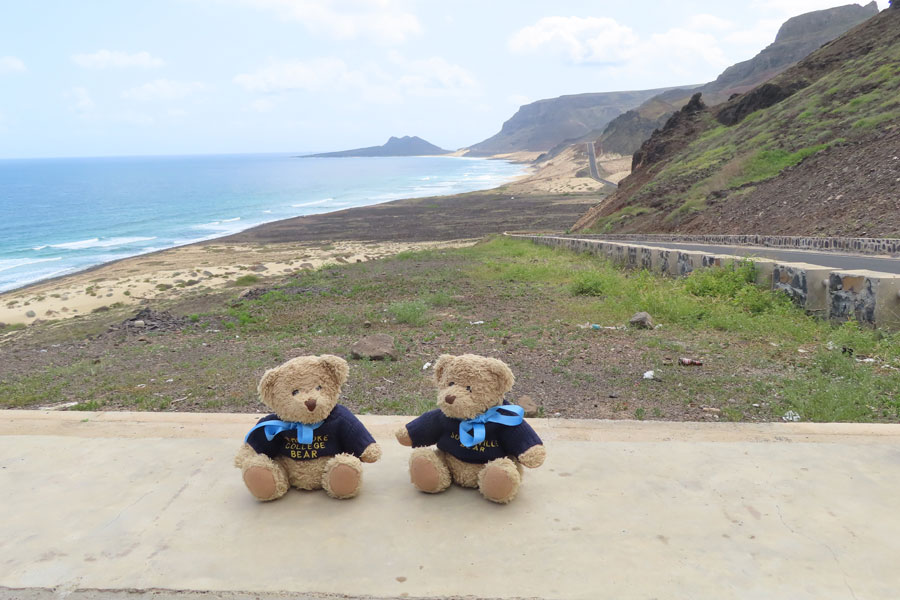
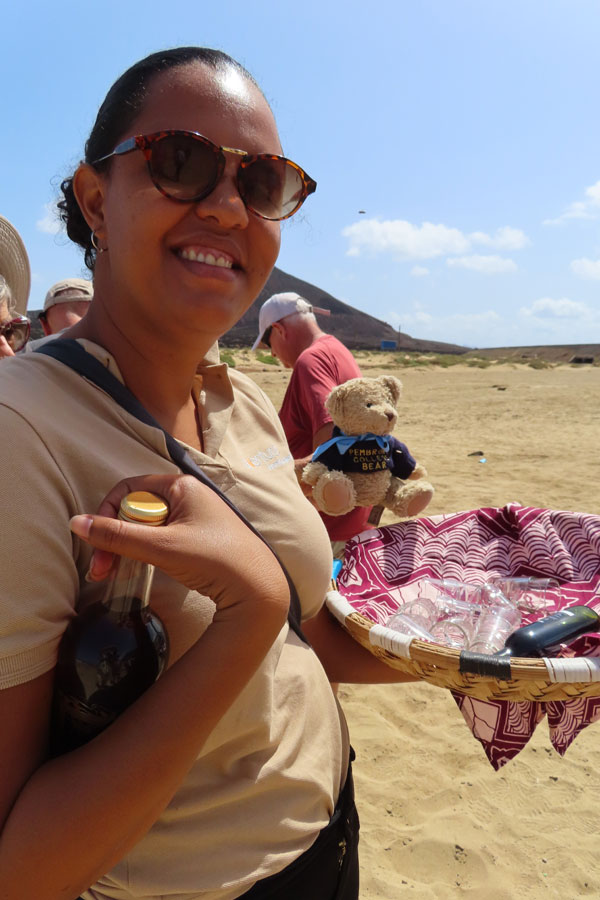
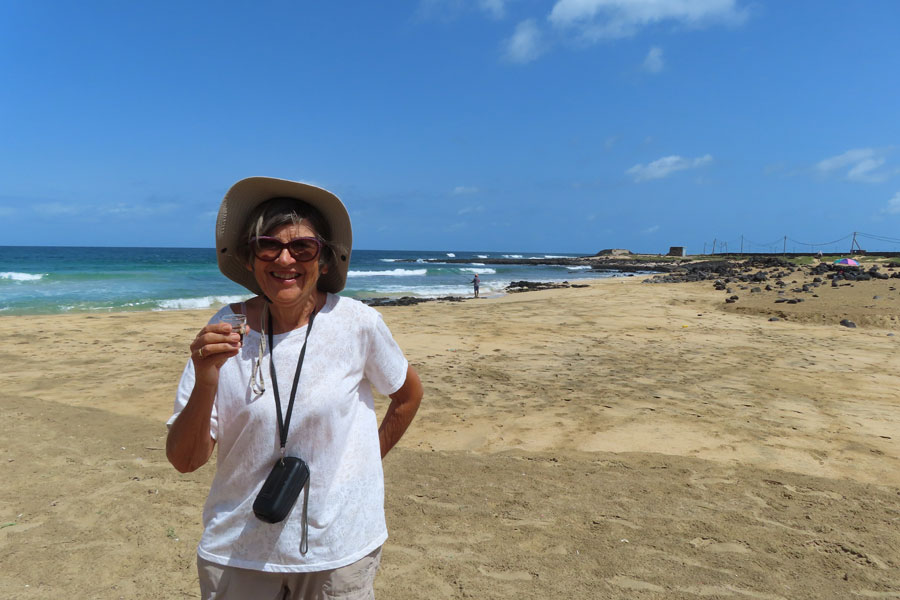
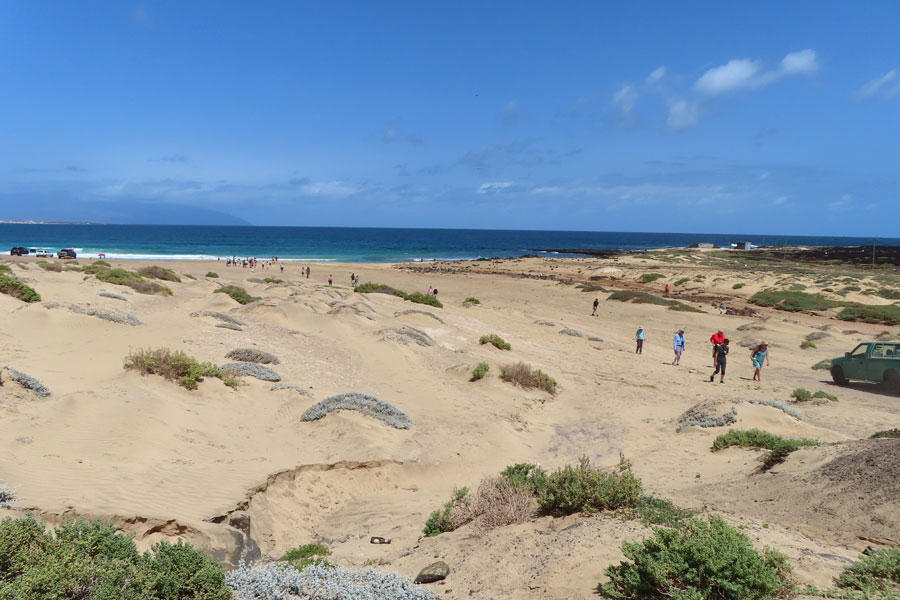
Fog collection is the harvesting of water from fog using large pieces of vertical mesh netting to induce the fog-droplets to flow down towards a trough below. The setup is known as a fog fence. Through condensation, atmospheric water vapour from the air condenses on cold surfaces into droplets of liquid water known as dew. The phenomenon is most observable on thin, flat, exposed objects including plant leaves and blades of grass. As the exposed surface cools by radiating its heat to the sky, atmospheric moisture condenses at a rate greater than that of which it can evaporate, resulting in the formation of water droplets. Water condenses onto the array of parallel wires and collects at the bottom of the net. This requires no external energy and is facilitated naturally through temperature fluctuation, making it attractive for deployment in less developed areas. The term 'fog fence' comes from its long rectangular shape resembling a fence. The efficiency of the fog collector is based on the net material, the size of the holes and filament, and chemical coating. Fog collectors can harvest from 2% up to 10% of the moisture in the air, depending on their efficiency.An ideal location is a high altitude arid area near cold offshore currents, where fog is common, and therefore, the fog collector can produce the highest yield.Great scenery too on the descent, eventually stopping at a surf beach where we sampled the local grogue. The bus stopped at a souvenir shop on the way back to the ship where we were each given a shell memento as a bribe for entering and I wandered round the surrounding buildings
Click on any thumbnail photo and get a larger photo
 |
 |
 |
 |
 |
 |
 |
 |
 |
 |
 |
 |
 |
 |
 |
 |
 |
 |
 |
 |
 |
 |
 |
 |
 |
 |
 |
 |
 |
 |
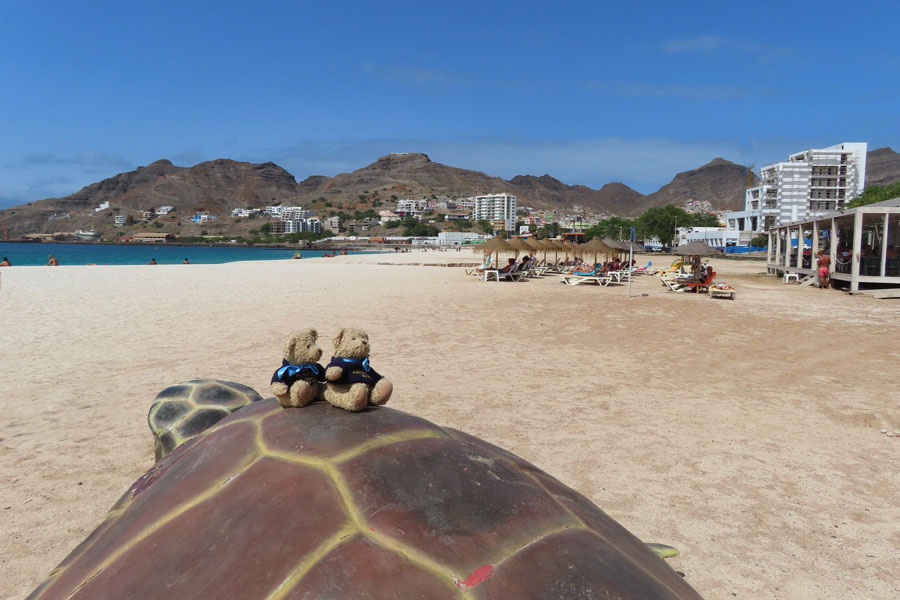
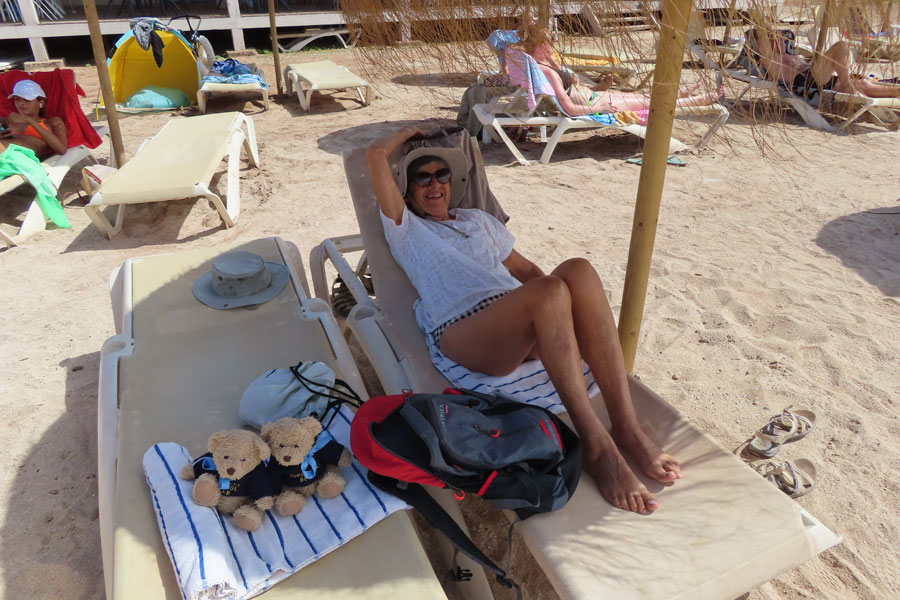
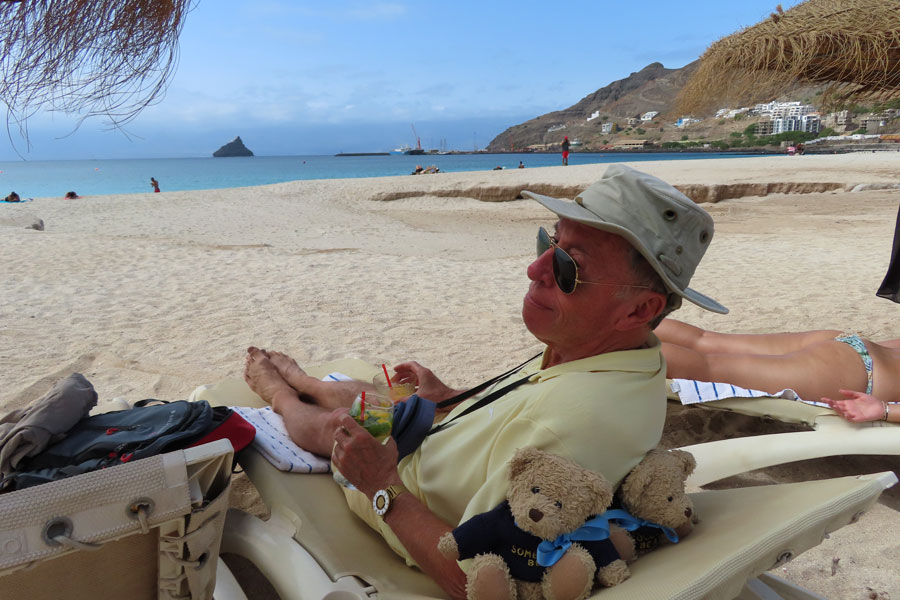
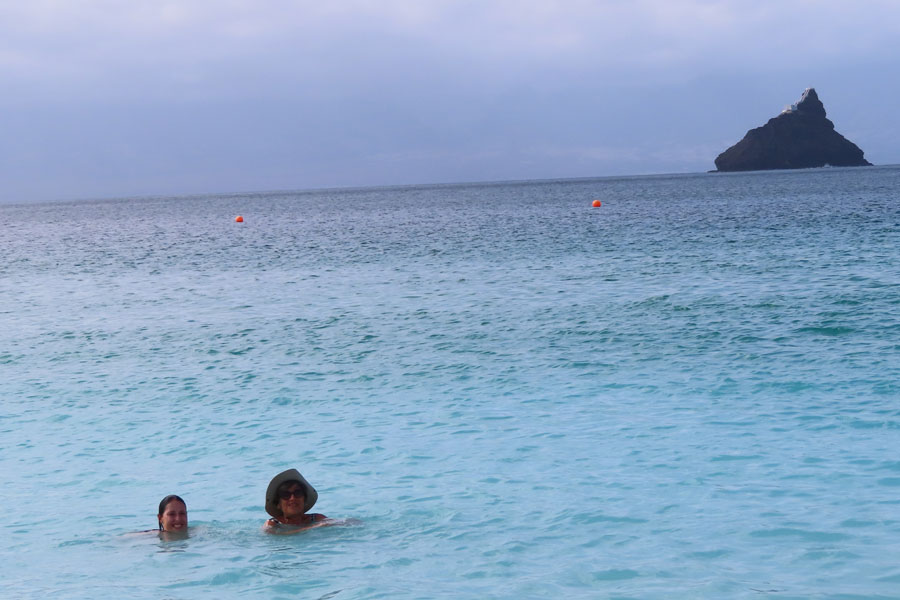
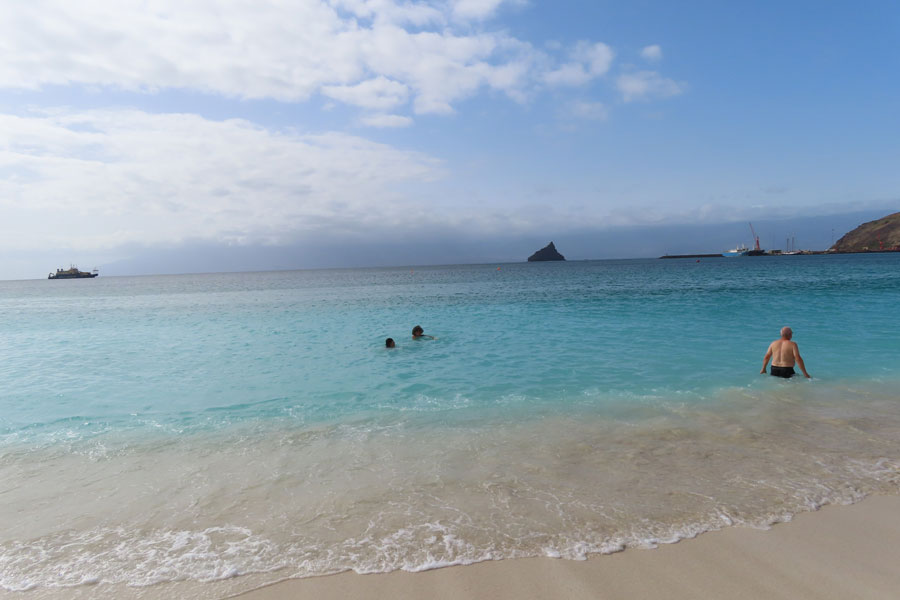
Back aboard for a restaurant lunch and then a shuttle to a nearby beach, where we had sunbeds at a restaurant plus a cocktail.
Click on any thumbnail photo and get a larger photo
 |
 |
 |
 |
 |
With that it was Goodbye to Mindelo, and on to Porto Novo again