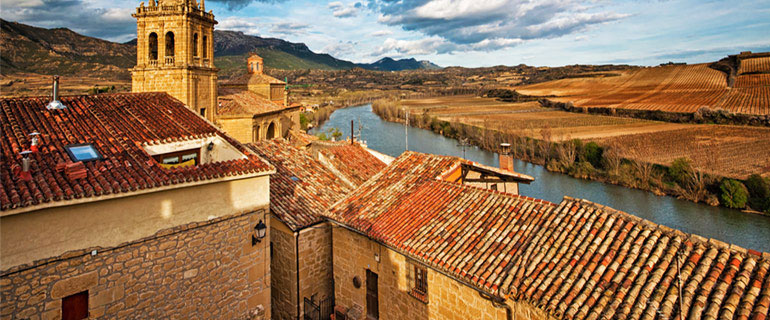
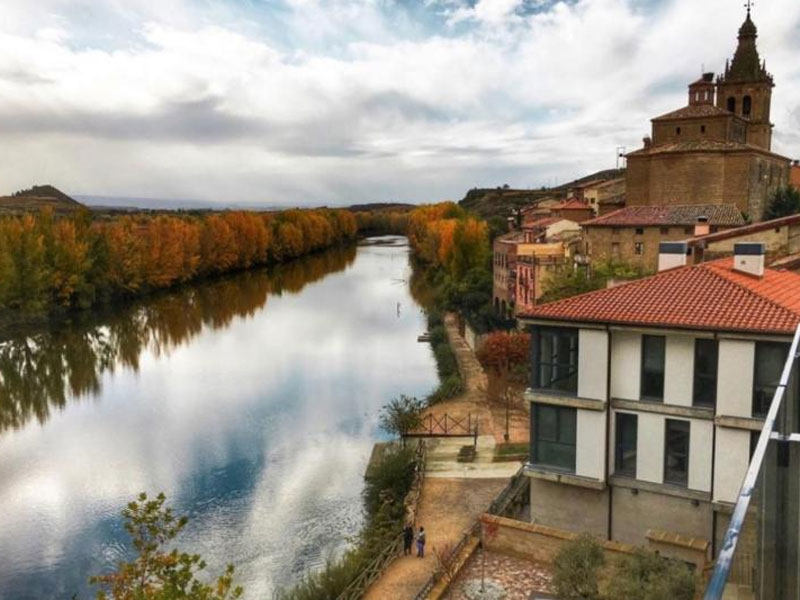
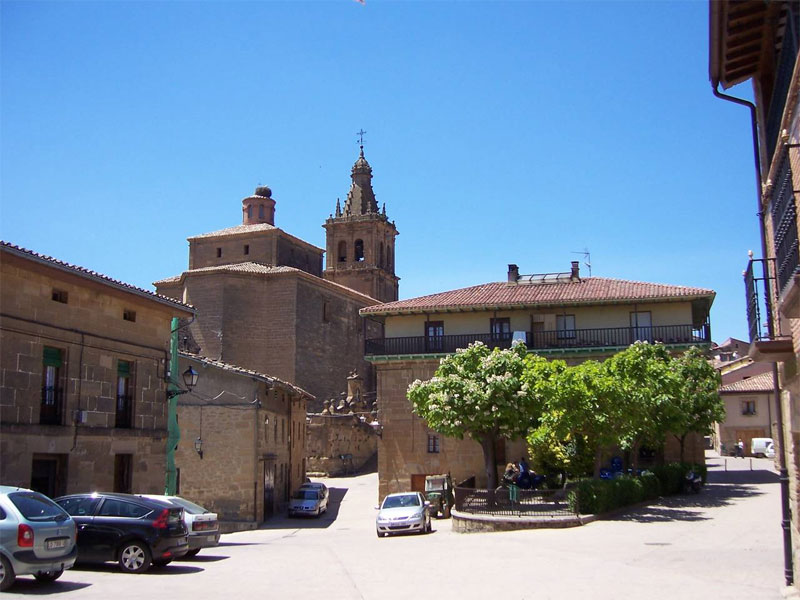
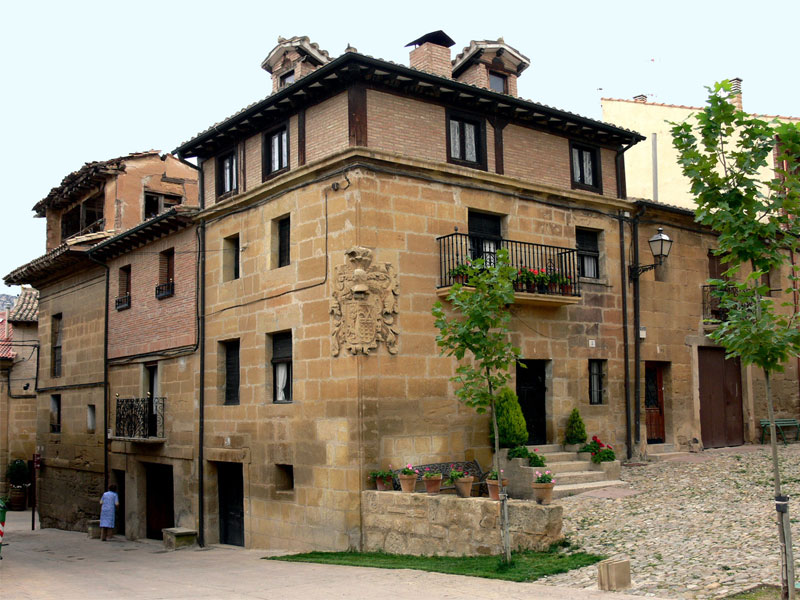
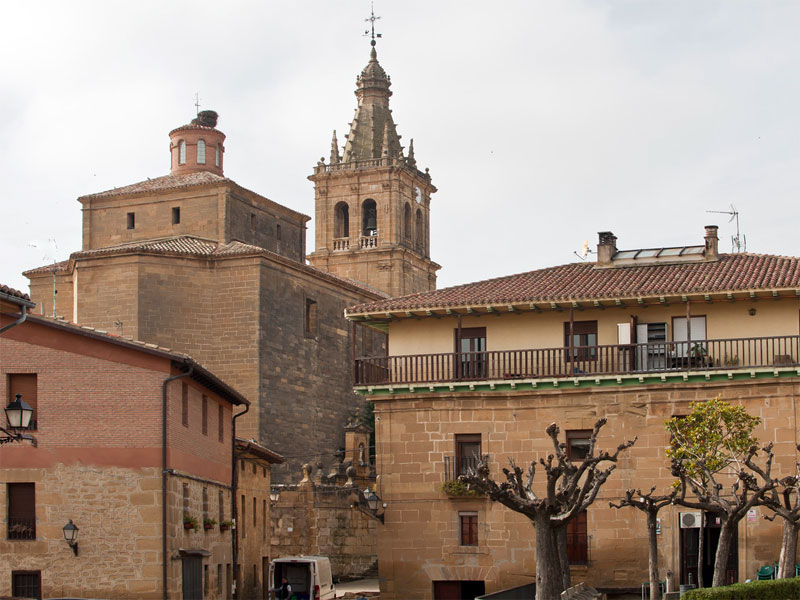
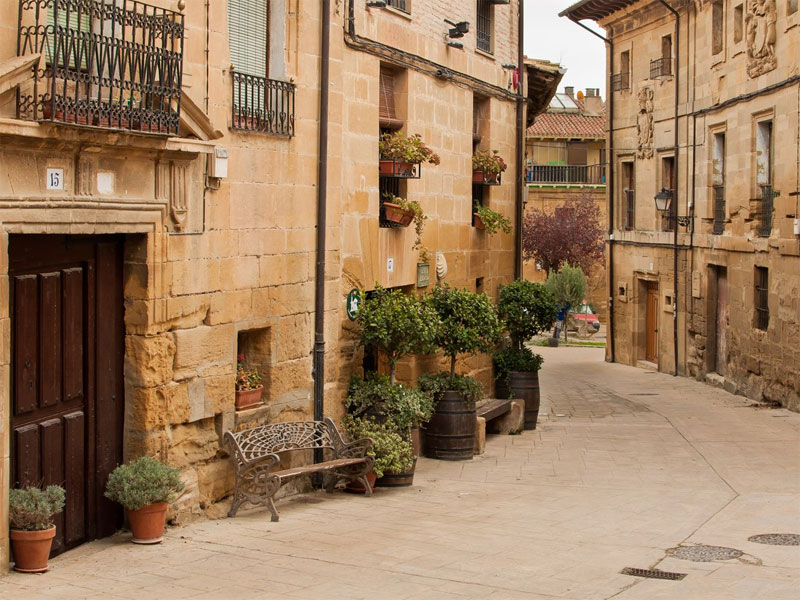
We stayed at Brinas, a very small village of 250 inhabitants, 5 km outside of Haro.
Hence it was but a short drive into Haro and the bodegas for wine tasting.. There were at least a dozen bodegas on offer, and we chose three. I decided against the tours of the wine places, and opted for straight tastings instead. One paid about 15 euros for a selection of 5 wines, and they gave a (very) brief guide to them.
Click on thumbnail below to get the larger photo
 |
 |
 |
 |
 |
 |
 |
 |
 |
 |
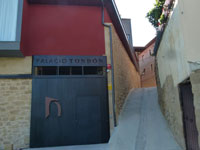
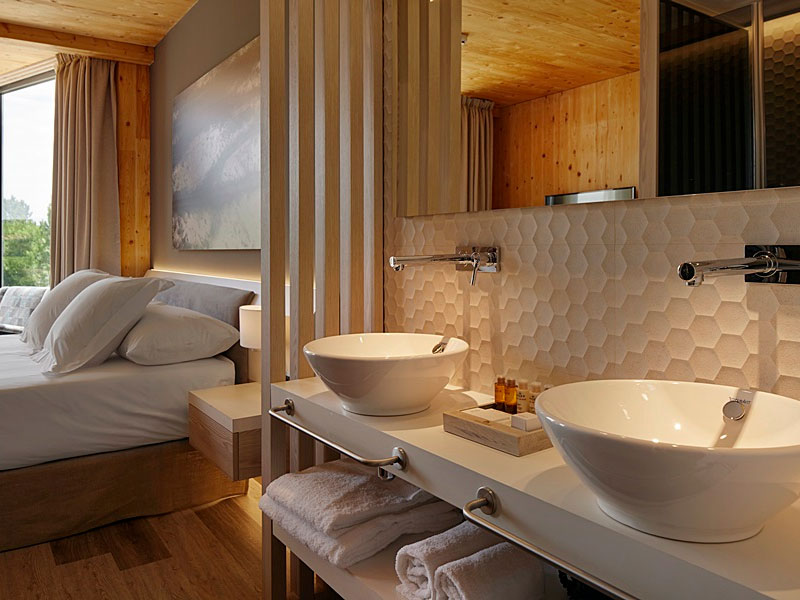
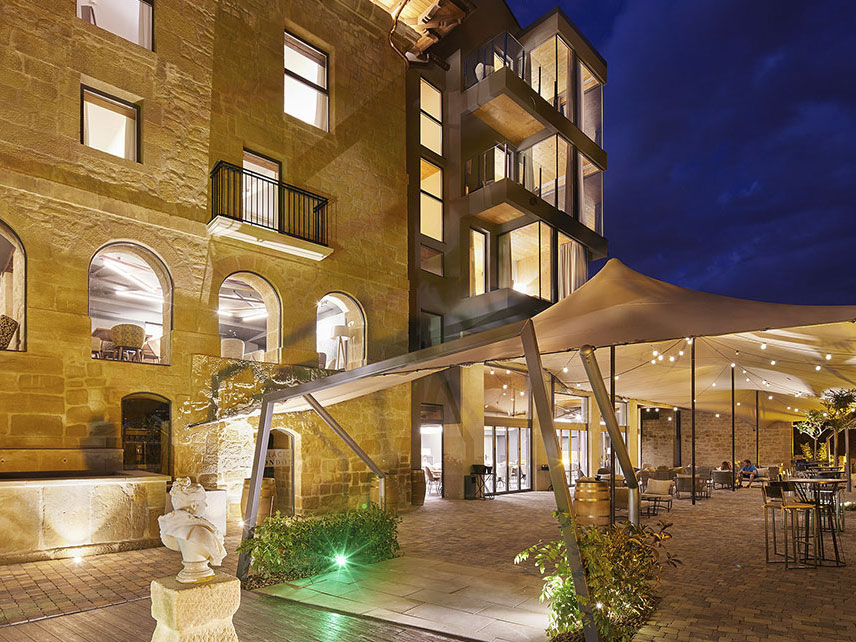
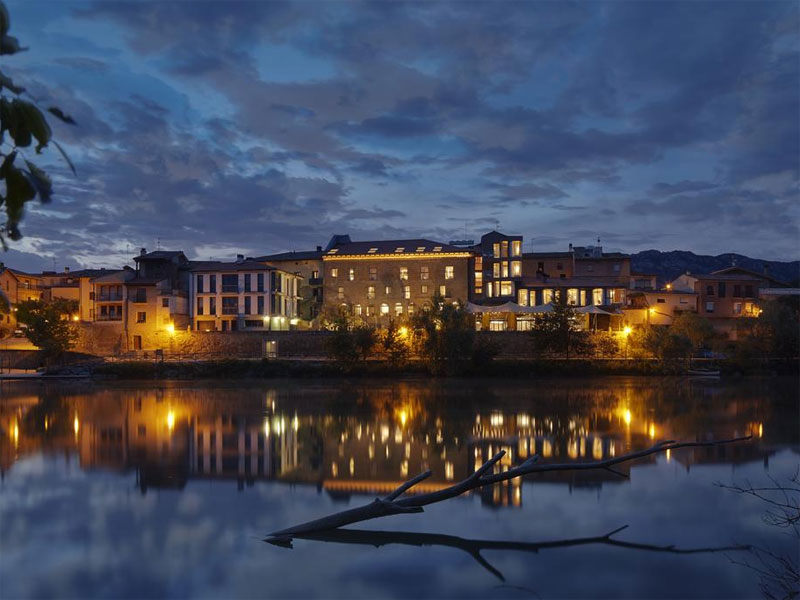
Hotel Palacio Tondon

The hotel was a brand new conversion of an old building, and had been beautifully restored.
In exploring the building we found the old cellars presented now as a very nice wine bar
The food was very good, we had their 60euro tasting menu the first night and it was really excellent, full of contrasting flavours and textures.
Probably the only weakness in the hotel was the staff who were not really very convivial. Whilst there was not a lot wrong with the service, there was not a lot right either
Click on thumbnail below to get the larger photo
 |
 |
 |
 |
 |
 |
 |
 |
 |
 |
 |
 |
 |
 |
 |
 |
 |
 |
 |
 |
 |
 |
 |
 |
 |
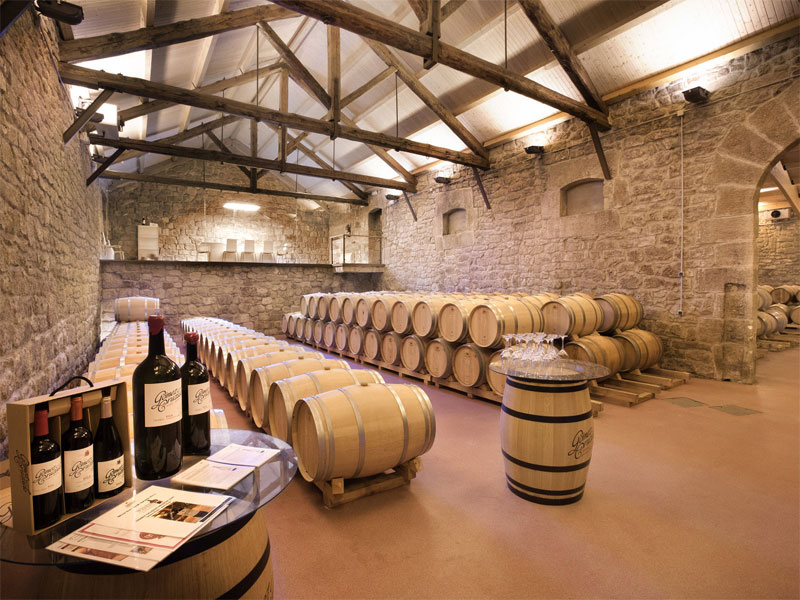
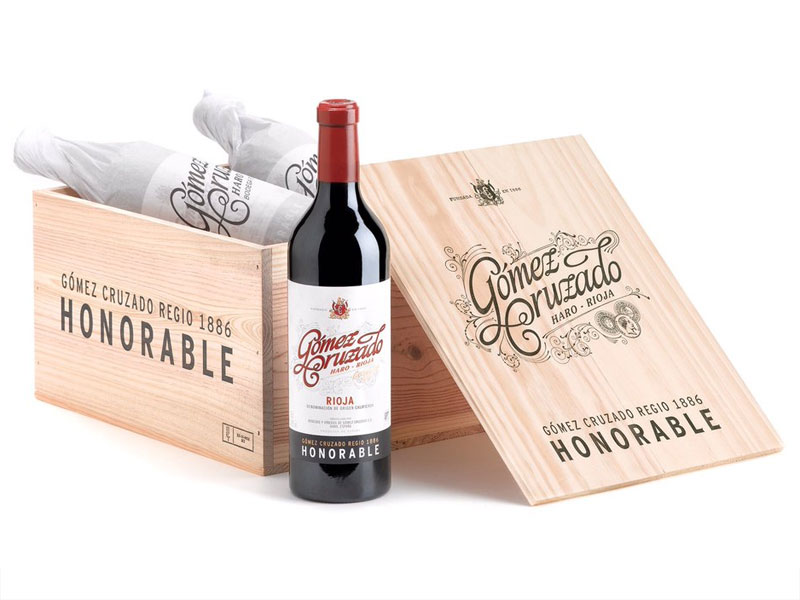
Gomez Cruzado
Back in the 19th century, Bordeaux was ravaged by phylloxera. The best wines of Rioja were drafted in to fill the gap and left for Bordeaux from the railway station in Haro. So all the historic greats are within a stone’s throw of the station. When you stand at the cellar door at Gómez Cruzado you can see the facades of a Who’s Who of Rioja … Muga, Tondonia, La Rioja Alta SA.
Four years ago the two winemakers at Gómez Cruzado suggested to their Mexican owners that they take a stake in the winery so they could push quality to another level by investing in the equipment and vineyards they needed. The owners agreed and Gómez Cruzado is now the hottest ticket in town.

Click on thumbnail below to get the larger photo
 |
 |
 |
 |
 |
 |
 |
 |
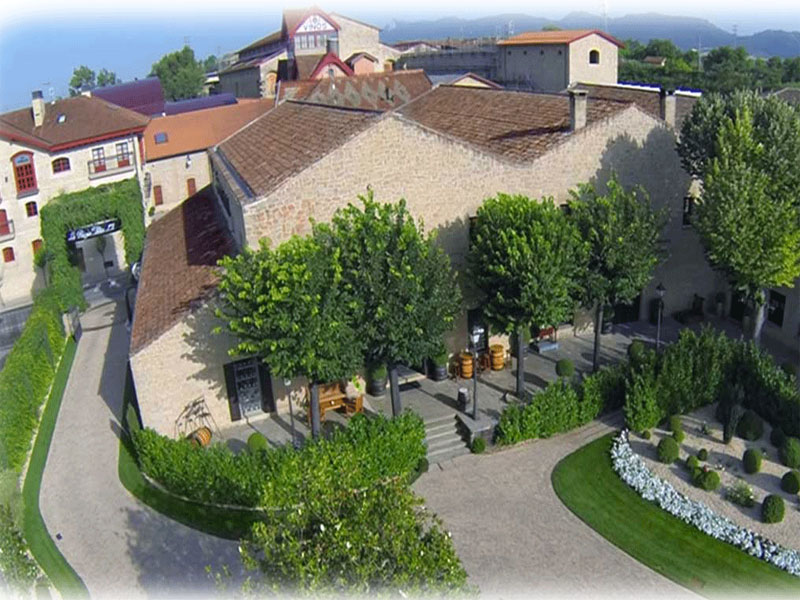
La Rioja Alta
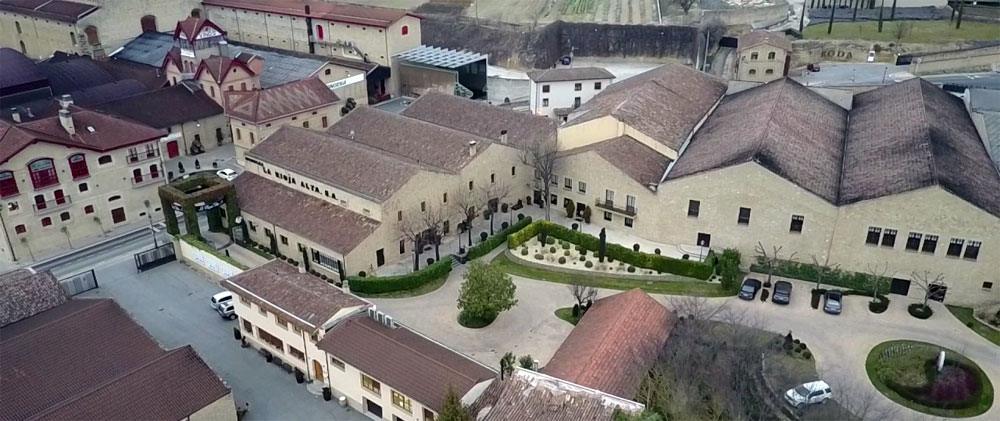
La Rioja Alta SA was founded in 1890 by five families sharing a common passion for wine. The first sales of the Reserve 890 and Reserve 904 labels occurred in the first fifteen years of the 20th century.
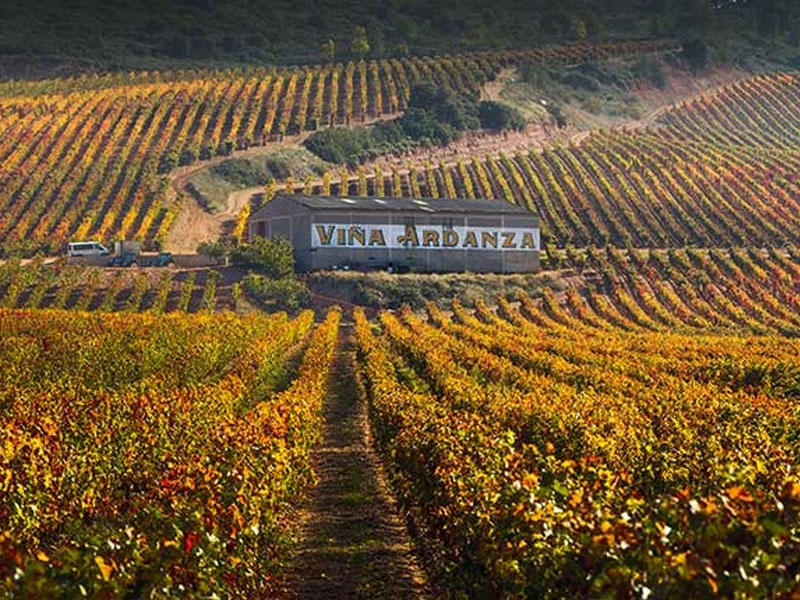
Around 1975, there was a considerable increase in the number of vineyards and the Viña Arana and Viña Alberdi came out, followed ten years later by the Viña Ardanza Blanco brand, in addition to the creation of the new underground cellar in Haro, for ageing of the wines in bottles. Maintaining a line of maximum quality ever since their winery’s foundation, they have continued to extend their facilities and vineyards right up to the present, with approximately 46,000 American oak barrels for maturation, repaired in the vineyard’s own cooperage, and more than 6 million wine bottles ageing, adding up to 19 million litres in stock.
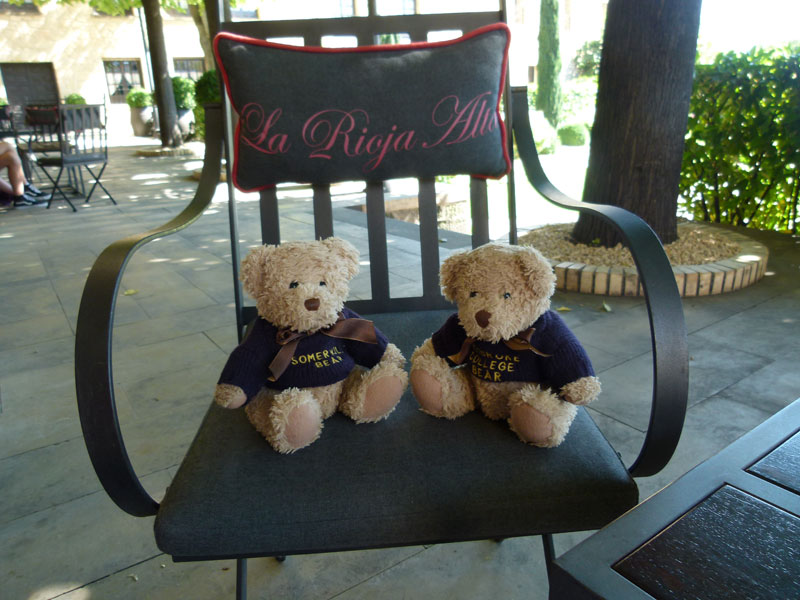
It was a nice selection of riojas in their tasting, so I had a plate of saucicon and we sat outside and enjoyed the wine and the tapas.
Click on thumbnail below to get the larger photo
 |
 |
 |
 |
 |
 |
 |
 |
 |
 |
A walk round Haro
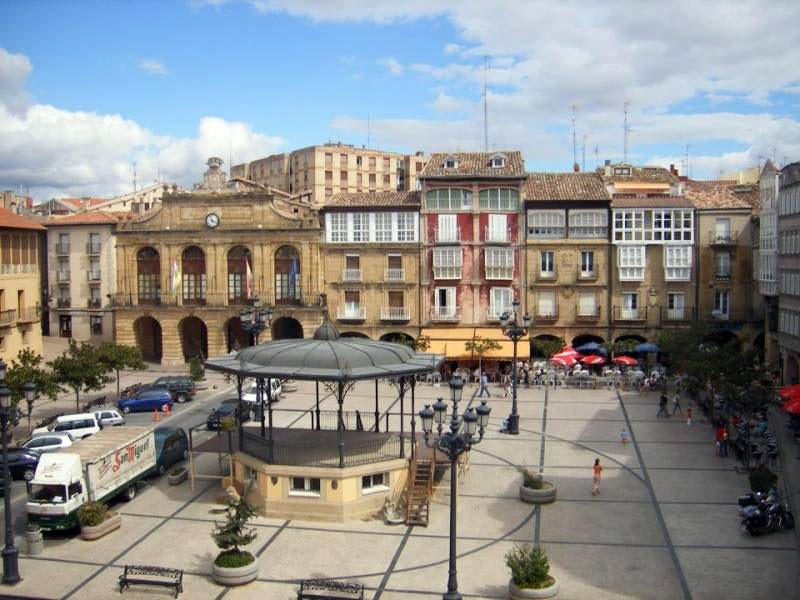
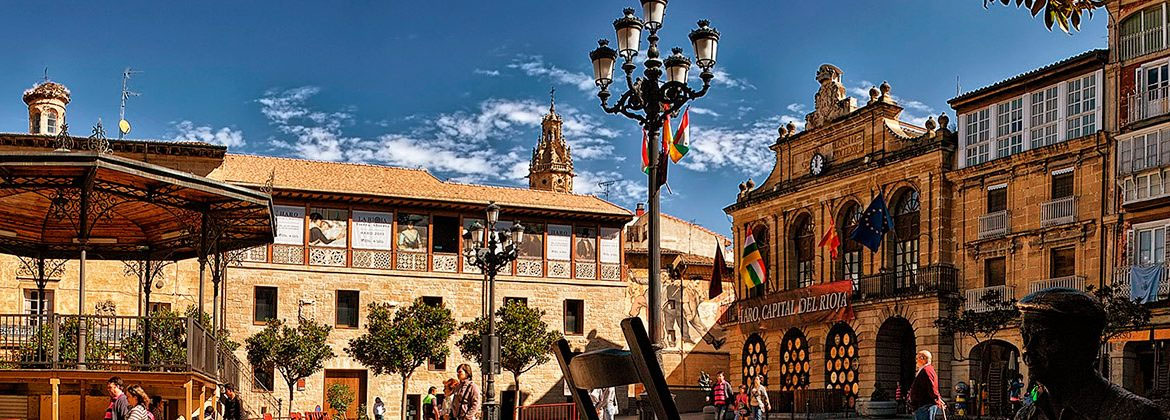
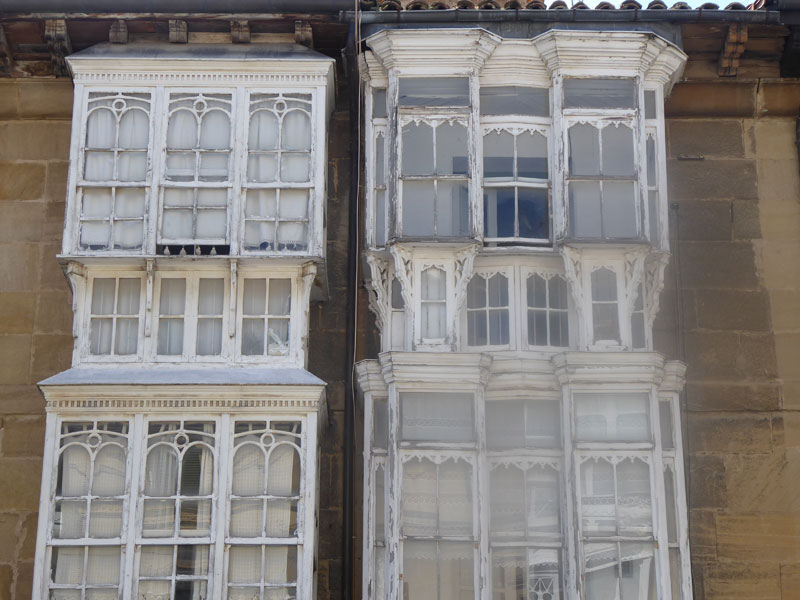
We took a walk around the old part of the town, but did not tarry long. The town seemed to be in the grip of a deep recession, a lot of buildings were abandoned or ill maintained, many shops were vacant. The bodegas are about a kilometre away, clustered round the railway station
Click on thumbnail below to get the larger photo
|
 |
 |
 |
 |
 |
 |
 |
 |
 |
Muga Winery
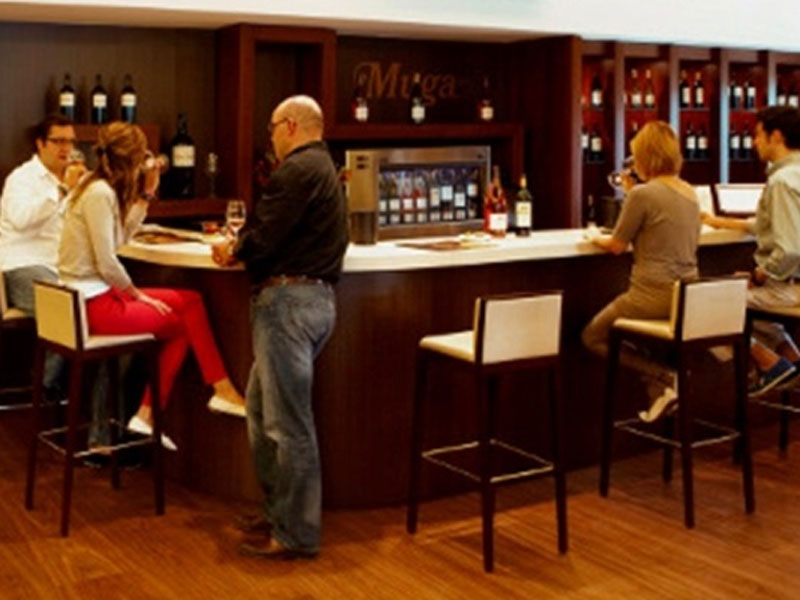
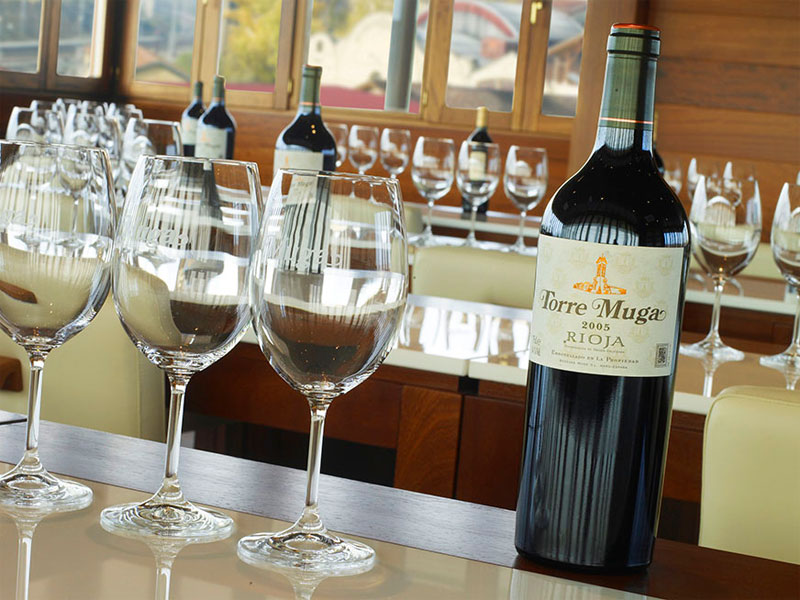
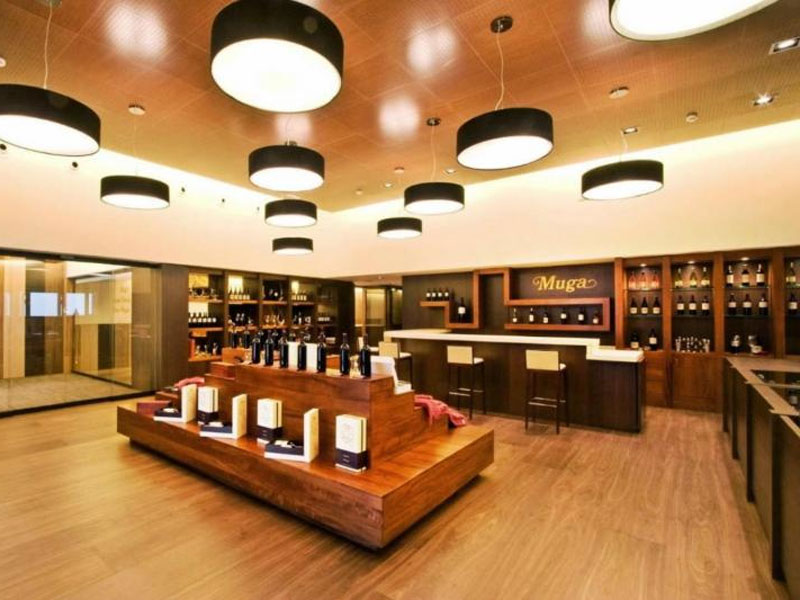
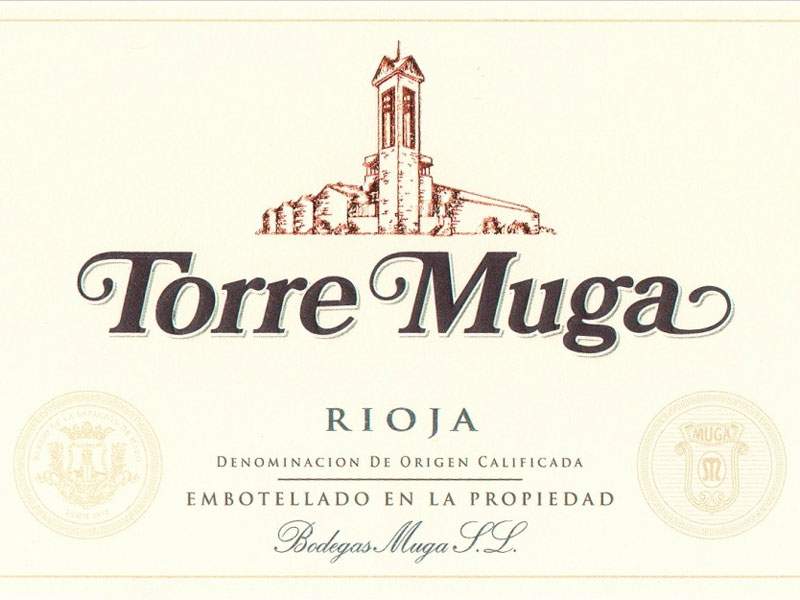
In 1932 there was a marriage between Isaac Muga and Aurora Caño, both from families linked to wine in the area. They founded Bodegas Muga, a company dedicated to the world of wine, using French and American oak barrels throughout the winemaking process.
Their vineyards, situated in the slopes of Obarenes Mountains, with a south-easterly aspect, form terraces supporting small plots of land, mostly with lime/clay loams, as well as ferrous clay and alluvial soils. They use different varieties of grapes such as tempranillo, mazuelo, graciano and garnacha, to produce high quality wines.
We had a chat with some Americans living near Malaga in the tasting room. The staff in the tasting room were over-powered by the number of punters, and hence no tuition on the wines being drunk

Click on thumbnail below to get the larger photo
 |
 |
 |
 |
 |
 |
 |
 |
 |
 |
And so back home